SC questions ED on timing of Kejriwal's arrest,seeks its reply, says liberty ‘exceedingly important'
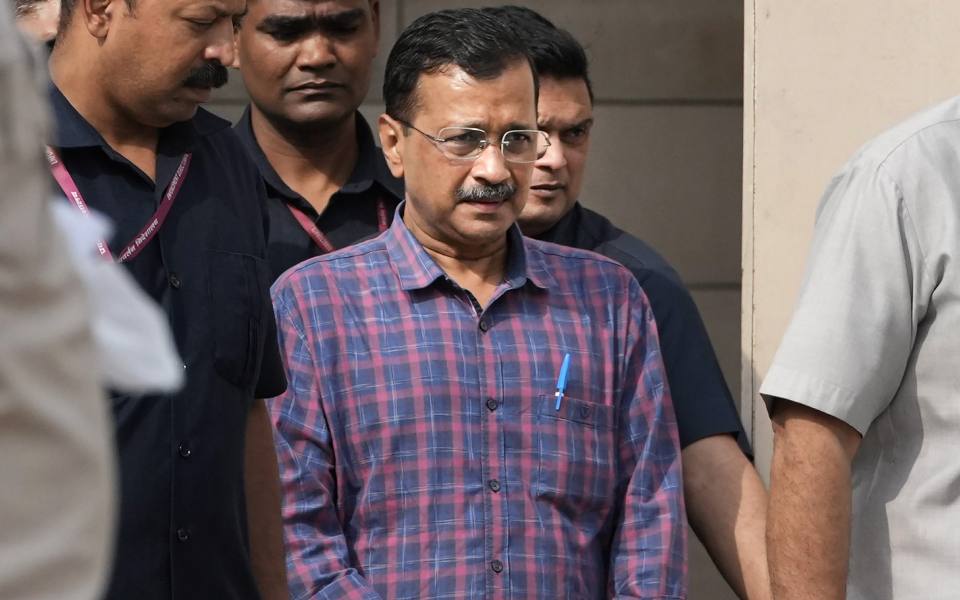
New Delhi, Apr 30: The Supreme Court on Tuesday questioned the Enforcement Directorate on the timing of Delhi Chief Minister Arvind Kejriwal's arrest ahead of the general elections and sought a reply from the agency.
A bench of Justices Sanjiv Khanna and Dipankar Datta asked Additional Solicitor General SV Raju to reply on the question of the timing and said, “Life and liberty are exceedingly important. You can’t deny that.”
The bench, which asked Raju several other questions, asked the probe agency to reply on the next date of hearing of Kejriwal's plea challenging his arrest in the money laundering case related to the excise policy scam.
The matter is likely to be taken up for hearing on Friday -- from Wednesday, both judges will be sitting in different combinations.
Kejriwal is currently lodged in the Tihar jail here under judicial custody after his arrest on March 21 in the case.
The top court issued ED a notice on April 15 and sought its response to Kejriwal's plea.
On April 9, the high court upheld Kejriwal's arrest, saying there was no illegality and the ED was left with "little option" after he skipped repeated summonses and refused to join the investigation.
The matter pertains to alleged corruption and money laundering in the formulation and execution of the Delhi government's now scrapped excise policy for 2021-22.
Let the Truth be known. If you read VB and like VB, please be a VB Supporter and Help us deliver the Truth to one and all.
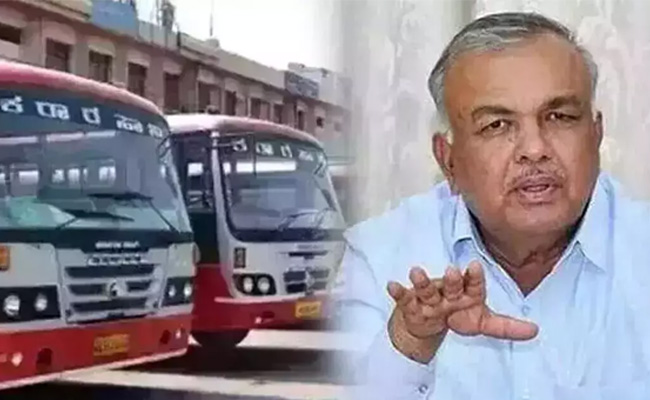
Congress using hijab issue to pacify minority anger, alleges Karnataka LoP R Ashoka
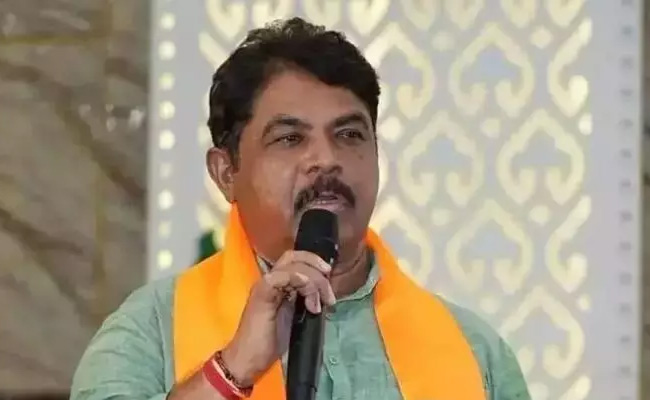
Bengaluru: Leader of Opposition in the Assembly R. Ashoka has accused the Congress government of using the hijab issue to placate what he described as discontent among minority voters after the Davanagere by-election.
In a post on X on Wednesday, Ashoka alleged that the state government, instead of addressing issues such as price rise, corruption, farmers’ distress and law and order, was attempting to retain its minority vote base by reviving the hijab issue.
Referring to the 2022 dress code introduced by the BJP government, which prohibited hijab in schools and colleges, Ashoka said the Karnataka High Court had upheld the policy and emphasised the importance of discipline in educational institutions.
He questioned the Congress government’s move to revisit the issue and asked whether setting aside the court-backed policy to benefit one community could be described as secularism.
Ashoka further alleged that while the government was willing to permit hijab, it continued to prohibit saffron shawls.
He accused the government of dividing students on religious lines rather than treating schools and colleges as spaces of equality.
Drawing a comparison with Mamata Banerjee’s government in West Bengal, Ashoka claimed that excessive appeasement politics had harmed the state and warned that the Congress in Karnataka could face a similar political response.
He said voters in Karnataka would teach the Congress a lesson for what he termed “vote-bank politics” and for compromising constitutional and judicial principles.