SC refuses to extend security of former judge who pronounced Babri verdict
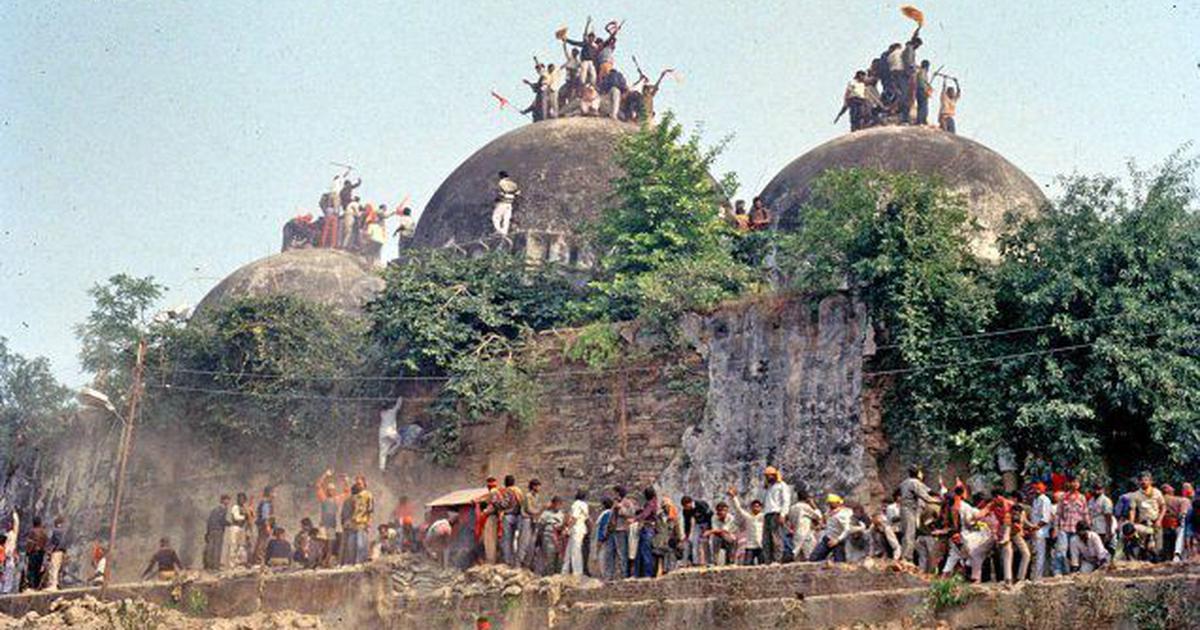
New Delhi: The Supreme Court on Monday refused to extend the security of former special judge S K Yadav who had pronounced the verdict in the Babri Masjid demolition case and acquitted all 32 accused, including BJP veterans L K Advani, M M Joshi, and Uma Bharti.
A bench, headed by Justice R F Nariman and also comprising Justices Navin Sinha and Krishna Murari, was considering the former judge's request to continue his personal security in view of the sensitivity of the case decided by him on his last day in office.
Having perused the letter, we don't consider it appropriate to provide security, the bench said.
On September 30, the special court had acquitted all 32 accused in the case saying there was no conclusive evidence that they were part of any conspiracy to bring down the disputed structure in Ayodhya.
The 16th-century mosque was demolished on December 6, 1992, by kar sevaks' who believed that it occupied the site where Lord Ram was born, the destruction triggering riots that left hundreds dead in the country and widening rifts between the communities.
Last year, a five-judge Constitution bench of the apex court had ruled that the 2.77-acre land claimed by both Hindus and Muslims would be handed over to a trust for the building of a temple.
The top court had also ordered the allocation of five-acre land at another site in Ayodhya for building a mosque.
Let the Truth be known. If you read VB and like VB, please be a VB Supporter and Help us deliver the Truth to one and all.
Remarks against St Francis Xavier: Right-wing speaker Gautam Khattar gets bail
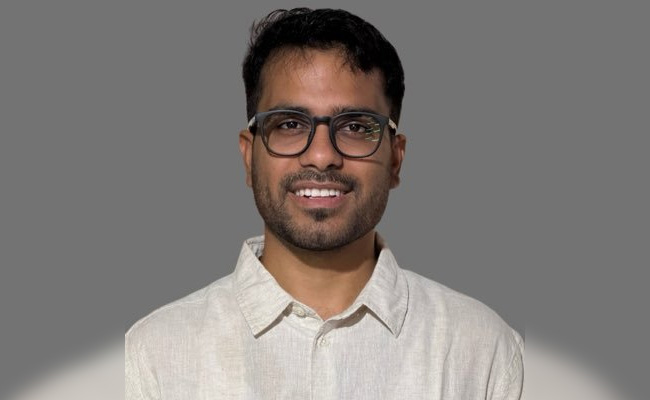
Panaji (PTI): A court in Goa on Saturday granted bail to right-wing speaker Gautam Khattar, who was arrested after he allegedly made derogatory comments against St Francis Xavier.
Judicial Magistrate First Class, Vasco, granted regular bail to Khattar, currently admitted to Goa Medical College and Hospital at Bambolim for treatment of chest pain after he was shifted from the District Hospital in Mapusa two days back.
A row erupted after a video of remarks by Khattar, the founder of Sanatan Mahasangh, at an event on April 18 in the presence of Swami Brahmeshanand, State Transport Minister Mauvin Godinho and BJP MLAs Sankulp Amonkar and Daji (Krishna) Salkar, went viral.
St Francis Xavier is revered as the patron saint of Goa.
The controversial remarks led to the Vasco Police registering an FIR against Khattar on charges of hurting religious sentiments and creating enmity between groups.
He was detained in Kullu, Himachal Pradesh, by local police. His custody was later handed over to the Goa Crime Branch, according to officials.