SC refuses to stay Patna HC verdict setting aside Bihar law raising quotas from 50 to 65%
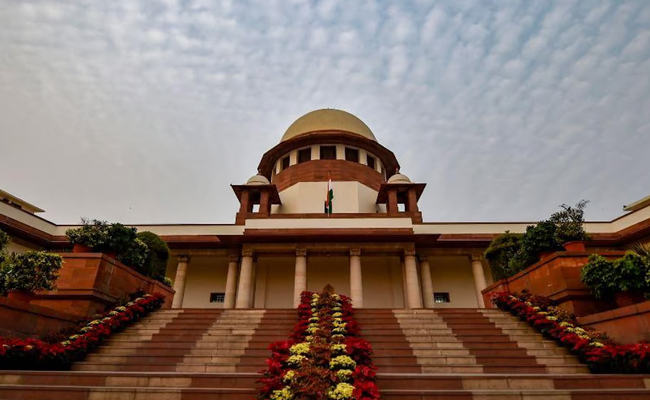
New Delhi (PTI): In a setback to the Bihar government, the Supreme Court on Monday refused to stay a Patna High Court order setting aside the amended reservation laws in the state that enabled the Nitish Kumar dispensation to raise quotas for Dalits, tribals and backward classes from 50 per cent to 65 percent.
A bench comprising Chief Justice D Y Chandrachud and justices J B Pardiwla and Manoj Misra, however, agrees to hear as many as 10 petitions of the Bihar government against the Patna HC verdict.
The top court, which did not even issue notices on the pleas, granted leave for appeal and said the petitions will be heard in September.
Appearing for the state government, senior advocate Shyam Divan urged the bench to stay the HC order.
He referred to a similar case of Chhattisgarh and said that the top court had stayed the order of the high court in that case.
"We will list the matter, but we will not grant any stay (on the HC verdict)," the CJI said.
In its June 20 verdict, the high court declared that the amendments, passed unanimously by the state's bicameral legislature in November last year, were "ultra vires" of the Constitution, "bad in law" and "violative of the equality clause".
Let the Truth be known. If you read VB and like VB, please be a VB Supporter and Help us deliver the Truth to one and all.
Centre launches national childhood diabetes screening, treatment framework
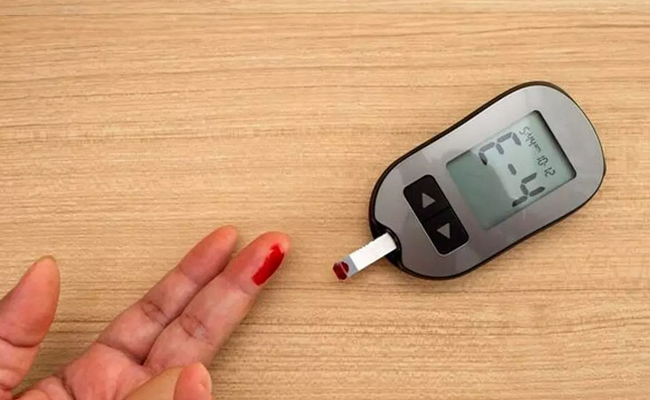
New Delhi (PTI): The Union Health Ministry on Sunday released a guidance document providing a framework for screening, diagnosis, treatment and long-term management of childhood diabetes.
According to the ministry, the document, for the first time, establishes a structured and standardised national framework, positioning India among a select group of countries that have integrated childhood diabetes care into the public health system.
The "Guidance Document on Diabetes Mellitus in Children" was released at the National Summit on Best Practices in Public Healthcare Service Delivery, concluded on May 1-2.
According to a statement by the ministry, the framework aims to ensure universal screening of all children from birth to 18 years through community and school-based platforms for early identification of diabetes.
Suspected cases will undergo immediate blood glucose testing and be referred to district-level health facilities for confirmatory diagnosis and treatment, it said.
A key feature of the initiative is the provision of a comprehensive free-of-cost care package at public health facilities, including screening, diagnostic services, lifelong insulin therapy, glucometers, test strips and regular follow-up care.
The initiative seeks to reduce the financial burden on families and ensure uninterrupted treatment for children diagnosed with diabetes.
The document also lays down an integrated continuum of care linking community-level screening with district hospital-based management and advanced care at medical colleges to ensure seamless follow-up and treatment.
To strengthen early detection, the guidance promotes the "4Ts" awareness framework -- Toilet, Thirsty, Tired and Thinner -- to help parents, teachers and caregivers recognise early warning signs of type 1 Diabetes.
Besides clinical protocols, the document focuses on family and caregiver empowerment through structured training on insulin administration, blood glucose monitoring, emergency response and daily disease management.
The statement stated the initiative is expected to reduce mortality through early detection, prevent complications and improve the quality of life of affected children while strengthening the public health system's capacity to manage non-communicable diseases among children.