SC relaxes bail condition on Kerala-based journalist Siddique Kappan in UAPA case
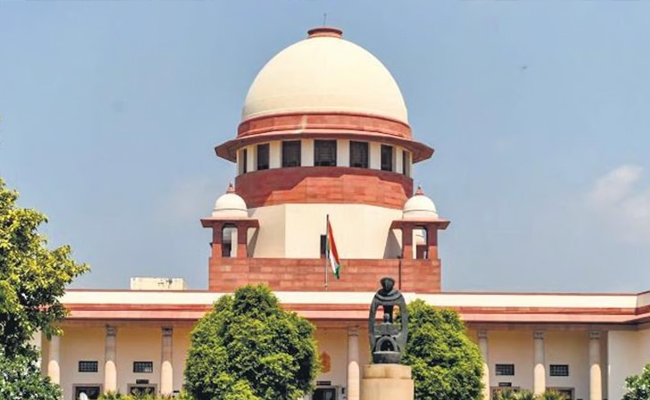
New Delhi (PTI): The Supreme Court on Monday allowed a plea by Kerala-based journalist Siddique Kappan seeking relaxation of a bail condition of reporting to police every week in a UAPA case registered against him.
A bench of Justices P S Narasimhan and Sandeep Mehta relaxed the bail condition imposed by the top court on Kappan while granting bail in September 2022.
"The order dated September 9, 2022, is modified and it shall not be necessary for the petitioner to report to the local police station. The other prayers made in the present application can be agitated independently," the bench said.
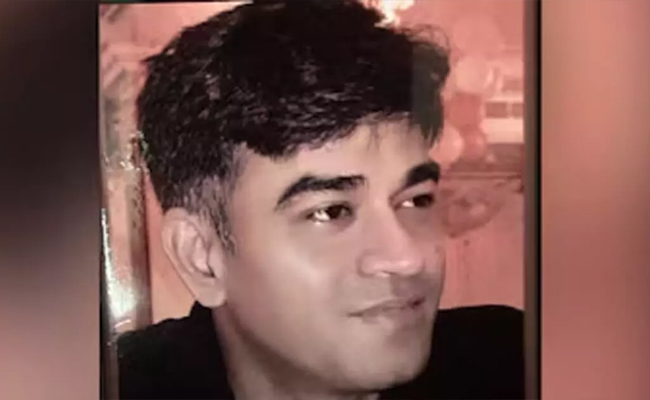
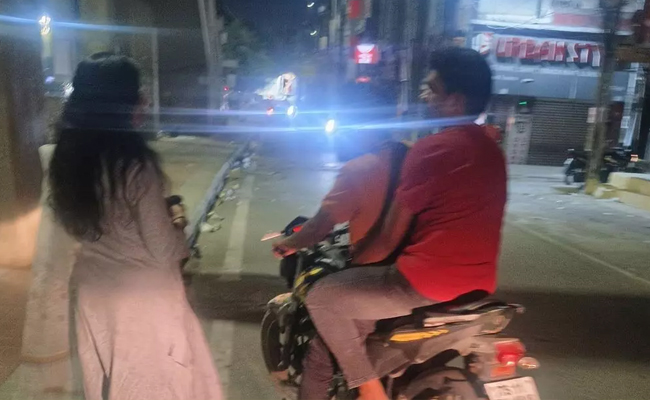
The top court had on September 17 asked the state government to file its reply on the plea of Kappan, who was arrested in October 2020 while on his way to Hathras in Uttar Pradesh after a Dalit woman from there died following gangrape.
On September 9, 2022, the top court granted bail to Kappan, who was in jail for almost two years, while observing that every person has the right to free expression.
It had laid down several conditions for bail, including that he would have to remain in Delhi for the next six weeks after release from prison and report to the Nizamuddin police station here on Monday every week.
"The appellant shall be taken to the trial court within three days and shall be released on bail on conditions as deemed fit by the trial court," the bench had said in the order.
"It shall be the condition of bail that the appellant shall stay within the jurisdiction of Nizamuddin area here in Delhi," it added.
Elaborating further, the court had said, that after six months, he may travel to his native place Malappuram in Kerala and there also he will have to report to the local police station similarly, that is every Monday, and mark his presence in the register kept on that behalf.
"The appellant (Kappan) shall not leave the jurisdiction of Delhi without the express consent of the trial court," it had said, adding, "The appellant shall either in person or through lawyer shall attend the trial court on every single day. The appellant shall deposit his passport with the investigative machinery."
The FIR was filed under various provisions of the Indian Penal Code and the Unlawful Activities (Prevention) Act against four people, including Kappan, for having alleged links with the Popular Front of India (PFI).
The PFI had been accused in the past of funding protests against the Citizenship Amendment Act across the country.
The police had earlier claimed the accused were trying to disturb law and order in Hathras.
The woman had died at a Delhi hospital a fortnight after her alleged rape by four men from her village on September 14, 2020. She was cremated in the middle of the night in her village.
Her family had claimed the cremation was held without their consent and that they were not allowed to bring home the body one last time.
Let the Truth be known. If you read VB and like VB, please be a VB Supporter and Help us deliver the Truth to one and all.
Sujit Nair raises concerns over speculation of DMK-AIADMK understanding to block TVK
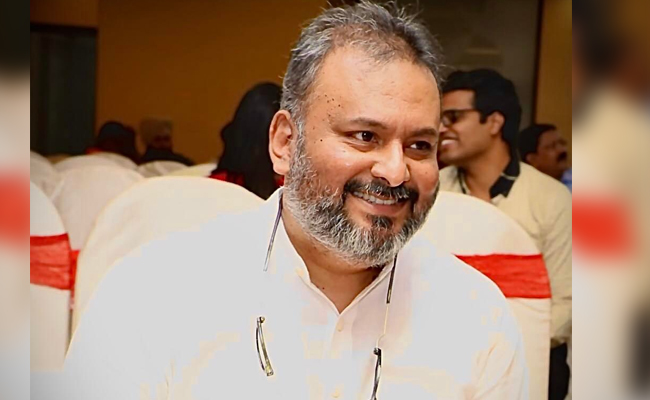
Chennai: Journalist and political commentator Sujit Nair has expressed concern over speculation that the Dravida Munnetra Kazhagam and the All India Anna Dravida Munnetra Kazhagam could explore a post-poll understanding to prevent Vijay-led Tamilaga Vettri Kazhagam from forming the government in Tamil Nadu.
In a social media post, Sujit Nair said the election verdict in Tamil Nadu reflected a clear public demand for political change and argued that the mandate should be respected irrespective of political preferences.
Referring to reports and political discussions surrounding a possible understanding between the DMK and AIADMK, he said he hoped such developments remained only speculative conversations and did not turn into reality.
Nair stated that if such an alliance were to take shape, it would raise serious questions about ideological politics in the country. He said TVK had emerged through a democratic electoral process and that the legitimacy to govern in a parliamentary democracy comes from the people’s verdict.
According to him, attempts to prevent an electoral winner from forming the government through unexpected political arrangements may be constitutionally valid, but many people could view them as politically opportunistic.
He further said that such a move could particularly affect the political image of the DMK, which has historically projected itself around ideology, social justice and opposition politics. Nair said that in ideological terms, the DMK appeared closer to TVK than to the AIADMK, and joining hands with its long-time political rival only to remain in power could weaken its broader political narrative.
He added that the same questions would apply to the AIADMK as well, as the party had spent decades positioning itself against the DMK and such an arrangement could create discomfort among its cadre and supporters.
Drawing a comparison with Maharashtra politics in 2019, Nair said he had expressed similar views when the Shiv Sena formed an alliance with the Indian National Congress and the Nationalist Congress Party after the Assembly elections.
He said post-poll alliances between long-standing political rivals often create a public perception that ideology and electoral mandates become secondary when political power equations come into play.
Nair also said such developments increase public cynicism towards politics and reinforce the belief among voters that ideology is often sidelined after elections.
He maintained that the Tamil Nadu verdict was emphatic and said respecting both the spirit and substance of the mandate was important for the credibility of democratic politics.