SC says pendency of over 8.82 lakh execution pleas 'highly disappointing', 'alarming'
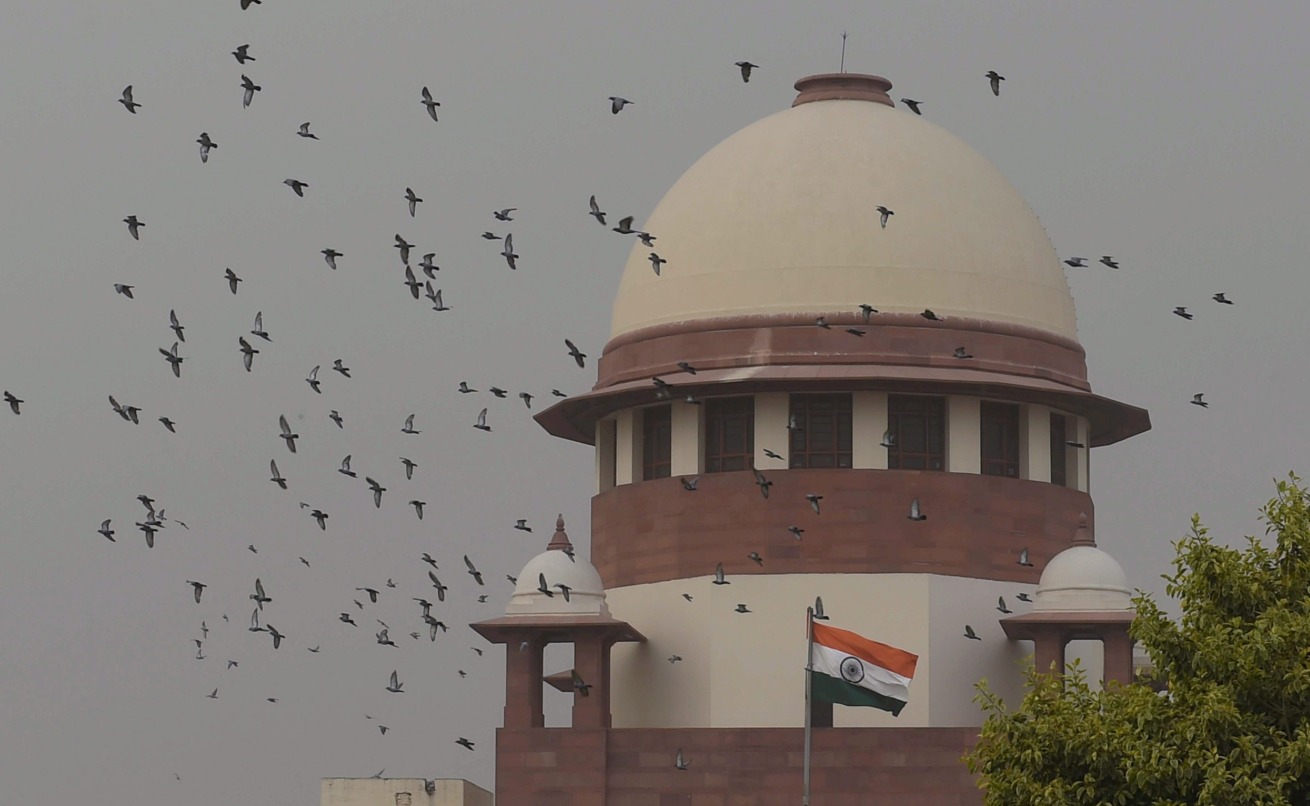
New Delhi(PTI): The Supreme Court has termed as "highly disappointing" and "alarming" the pendency of over 8.82 lakh execution petitions before different courts across the country.
Execution petitions are the pleas filed by a decree holder seeking enforcement of court orders passed in a civil dispute.
A bench of Justices J B Pardiwala and Pankaj Mithal made the remarks while reviewing the compliance of its March 6 order that had directed all high courts to instruct civil courts within their jurisdiction to decide execution petitions within six months.
The court had also made it clear that presiding officers would be held liable for any delay in presiding with its directive.
"The statistics which we have received are highly disappointing. The figures of the pendency of the execution petitions across the country are alarming. As on date, 8,82,578 execution petitions are pending across the country," the bench said.
The bench said in the last six months from March 6, a total of 3,38,685 execution petitions have been decided and disposed of.
The bench, in its October 16 order, said, "As observed in our main judgment, after the decree is passed, if it is going to take years and years to execute the decree, then it makes no sense and would be nothing short of travesty of justice".
The top court said it is once again requesting all the high courts to evolve some procedure and guide their respective district judiciary for effective and expeditious disposal of the execution petitions which are pending as on date.
The apex court, however, observed that "unfortunately, the Karnataka High Court has failed to furnish us with the necessary data in this regard."
"Asking the apex court registry to once again give a reminder to the Karnataka High Court to provide the data regarding the disposal of the execution petitions in the last six months and the pendency of it as on date.
"The Registrar General of the high court of Karnataka owes an explanation why he has failed to provide us with the necessary information. Two weeks' time is granted to the registrar general of the high court to offer his explanation in this regard," it said.
Posting the matter for reporting further progress on April 10 next year, the court said that it wanted complete figures from all the high courts regarding the status of execution petitions the way they have forwarded.
"When this matter is notified once again on April 10, 2026, we want all the high courts on their original side also to furnish the necessary information as regards the pending execution petitions as well as disposal of the same," it said.
On March 6, the top court had noted that the execution petitions filed for execution of decrees in civil disputes were pending for three to four years.
"If the execution petitions remain pending for three-four years, it defeats the very purpose of the decree," Justice Pardiwala had said while writing the March 6 order.
The verdict came in a civil dispute over land arising in 1980 between two individuals from Tamil Nadu.
The top court had said that after collecting the data, the high courts should issue an administrative order or a circular to the respective district judiciary asking the execution petitions to be decided and disposed of within six months without fail.
"Otherwise the presiding officer concerned would be answerable to the high court on its administrative side," it had said, while pointing to the "long and inordinate" delay on the part of the executing courts in the country in deciding such petitions.
The civil dispute before the bench concerned a sale agreement of June 30, 1980, entered by Tamil Nadu resident Ayyavoo Udayar over a piece of land. After the dispute arose over title of the land, Udayar filed a civil suit for specific performance against the defendants in 1986 with respect to an agreement to sell.
In 2004, the decree-holder filed a petition to direct the defendants to execute the sale deed and deliver the possession of the property. It was, however, dismissed.
This was challenged by way of a revision petition, which was allowed in 2006 but the sale deed was again not executed.
In 2008, an order of delivery of possession was passed but not executed.
The top court held that the high court "committed an egregious error" in passing the order.
Let the Truth be known. If you read VB and like VB, please be a VB Supporter and Help us deliver the Truth to one and all.
Trump says he ‘hasn’t even thought about’ continuing Iran ceasefire
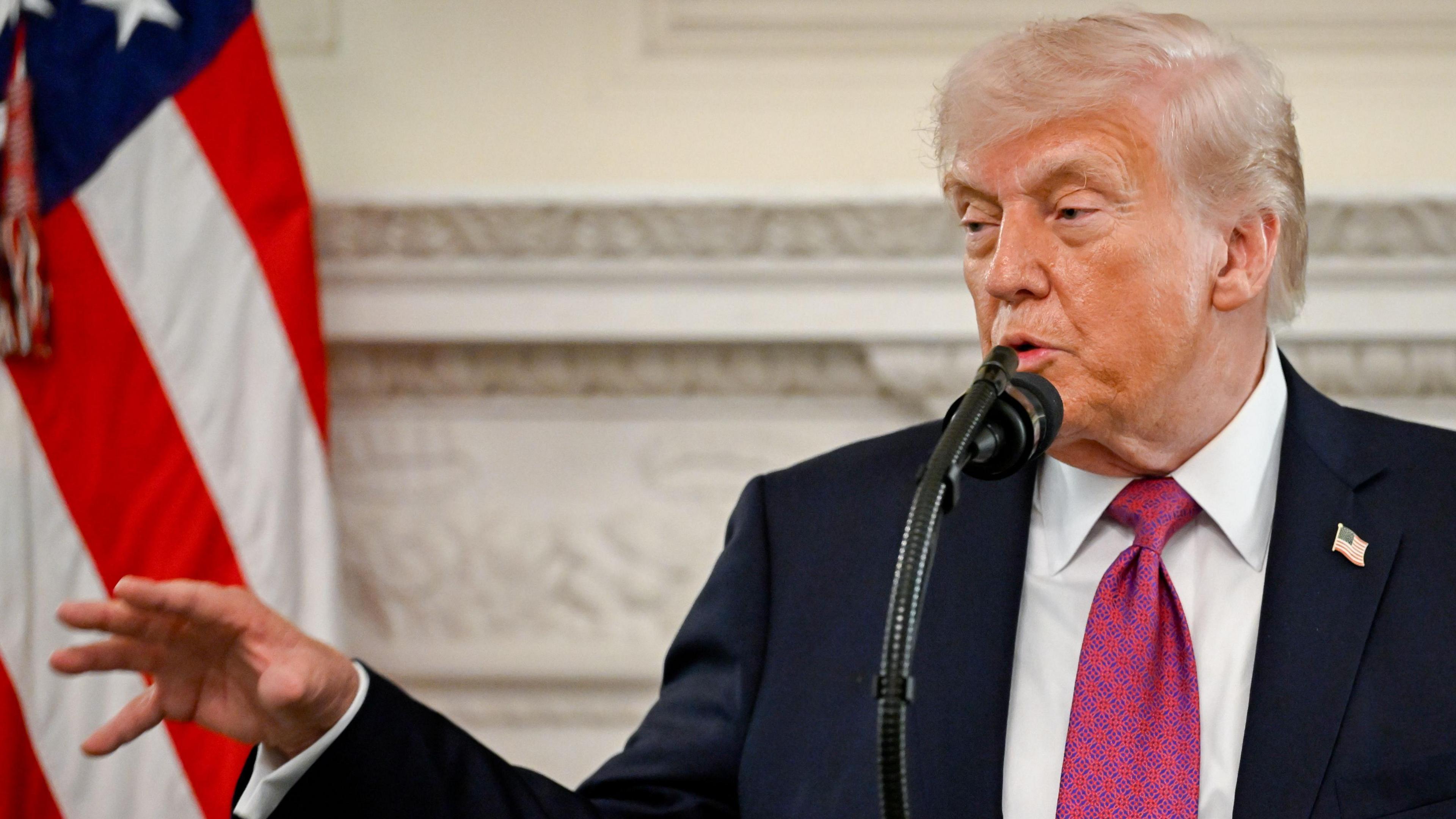
Washington: US President Donald Trump has said he has not yet considered whether he would continue the ceasefire involving Iran, while also claiming the United States holds the advantage in negotiations.
Speaking to reporters, Trump said he was prepared to make a deal with “whoever is running the show” in Iran.
“They are fighting with each other, there’s tremendous infighting. They’re probably fighting for leadership in many cases. I think they’re fighting not to be leader because we knocked out two levels of leaders,” he said.
Trump added, “When they want they can call me. We have all the cards, we’ve won everything.”
Referring to ongoing negotiations, he said, “They gave us a paper that should’ve been better. And, interestingly, immediately when I cancelled it [envoy trip to Pakistan], within 10 minutes we got a new paper that was much better.”
“We talked about they will not have a nuclear weapon, very simple … They offered a lot, but not enough,” he added.
When asked whether he would continue the ceasefire, Trump replied, “I haven’t even thought about it.”
The remarks come as uncertainty remains over the future of the temporary truce and broader negotiations between Washington and Tehran.