SC seeks clarification from EC on functioning of EVMs, calls poll panel official at 2 pm
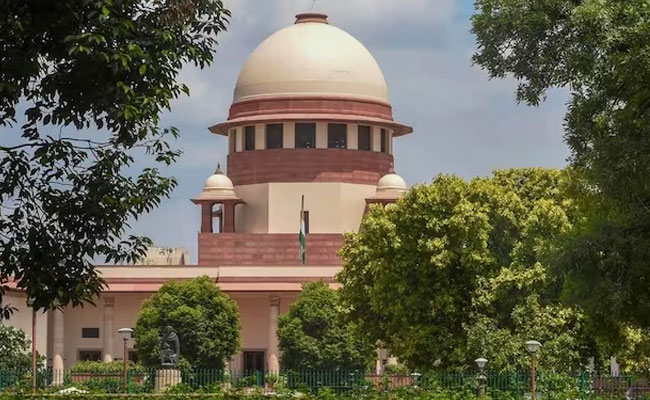
New Delhi (PTI): The Supreme Court on Wednesday sought clarification from the Election Commission on certain aspects regarding the functioning of Electronic Voting Machines (EVMs), and summoned a senior poll panel official at 2 pm.
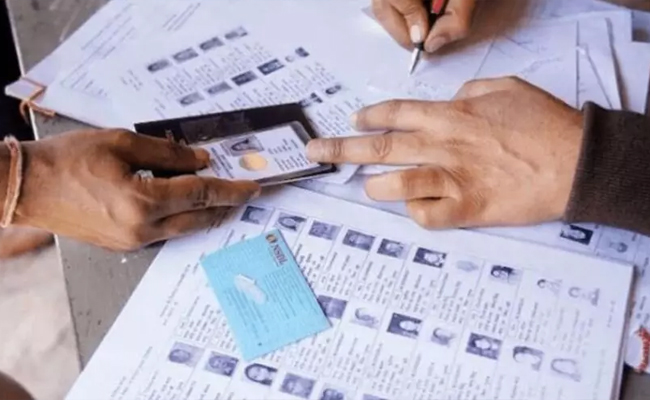
A bench of Justices Sanjiv Khanna and Dipankar Datta, which has reserved its verdict on a batch of pleas seeking complete cross-verification of votes cast using EVMs with Voter Verifiable Paper Audit Trail (VVPAT), said it needs clarification on certain aspects as there was some confusion in answers given by the EC in its 'frequently asked questions' (FAQs) on EVMs.
"We don’t want to be wrong but doubly sure in our findings and hence we thought of seeking the clarification," the bench told Additional Solicitor General Aishwarya Bhati who was appearing for the EC.
It asked Bhati to call senior Deputy Election Commissioner Nitesh Kumar Vyas at 2 PM. Vyas had earlier given a presentation to the court on the functioning of the EVMs.
It flagged some points on which the court wanted clarification which relates to storage of EVMs, microchip in the controlling unit of EVMs and other aspects.
The VVPAT is an independent vote verification system which enables electors to see whether their votes have been cast correctly.
On April 18, the top court reserved its verdict on the batch of pleas.
Let the Truth be known. If you read VB and like VB, please be a VB Supporter and Help us deliver the Truth to one and all.
Karnataka School Edu Dept prohibits children from being made to dance to obscene songs
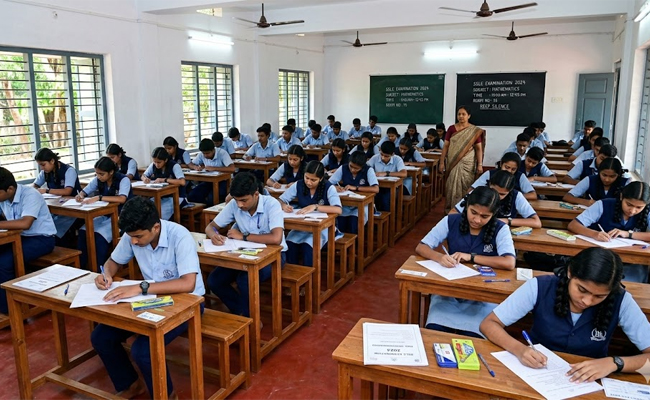
Bengaluru (PTI): The Karnataka School Education Department has issued a circular strictly prohibiting children from being made to dance to obscene songs in educational and cultural programmes.
It stated that such dances would negatively impact students' mental health and moral values. It will create indiscipline and harm the sanctity of education.
"All the Deputy Directors (Administration) of the state's School Education Department have been asked to take strict measures to prevent children or students from dancing to obscene songs in all government, aided and unaided schools in the state," the office of the commissioner of the School Education Department said in a recent circular.
"If it is found that children are being made to dance to obscene songs, appropriate action will be taken against the headmaster or management of such school," it added.
The department also listed certain measures in this regard, which include: strictly prohibiting children from being made to dance to obscene songs during educational and cultural programmes; selecting songs that are inspiring, positive, instilling national pride in children and reflecting the greatness, dignity, values, culture, and morality of the state.
Stating that the school headmaster and management are responsible for selecting songs and dances for cultural programmes, it said, they should also ensure that students wear decent clothes in dance or cultural programmes.