SC to hear on March 11 plea for cancellation of bail of Ashish Mishra in Lakhimpur case
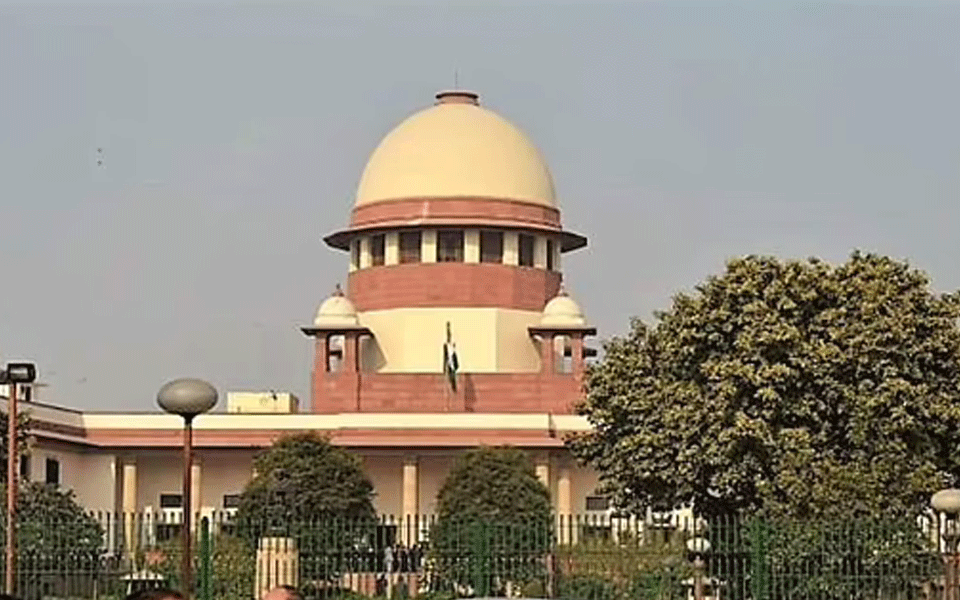
New Delhi(PTI): The Supreme Court on Friday agreed to hear on March 11 a plea challenging grant of bail by the Allahabad High Court to Ashish Mishra, son of Union minister Ajay Mishra, in connection with the Lakhimpur Kheri violence that left eight people, including four farmers, dead.
A bench headed by Chief Justice N V Ramana took note of the submissions of lawyer Prashant Bhushan that the other accused in the case are moving courts for grant of bail citing the relief granted to Ashish Mishra.
I can list on March 11 only. Other judges have to be available, the CJI said.
The high court, while granting the bail, did not follow the law laid down and did not consider aspects like tampering with evidence and fleeing from justice, Bhushan submitted, adding, The problem is that other accused are also moving.
He sought a direction to the high court that for the time being, the bail plea of other accused be not considered.
File a memo before the high court that we are hearing on March 11, the bench said.
Three family members of farmers, who were killed in the violence, have sought a stay on the February 10 bail order of the the high court, saying the verdict was unsustainable in the eyes of law as there has been no meaningful and effective assistance by the state to the court in the matter .
On October 3, last year, eight people were killed in Lakhimpur Kheri during violence that erupted when farmers were protesting against Uttar Pradesh Deputy Chief Minister Keshav Prasad Maurya's visit to the area.
Four farmers were moved down by the SUV. A driver and two BJP workers were then allegedly lynched by angry farmers.
A journalist also died in the violence that triggered outrage among opposition parties and farmer groups agitating over the Centre's now-repealed agri laws.
Let the Truth be known. If you read VB and like VB, please be a VB Supporter and Help us deliver the Truth to one and all.
Congress using hijab issue to pacify minority anger, alleges Karnataka LoP R Ashoka
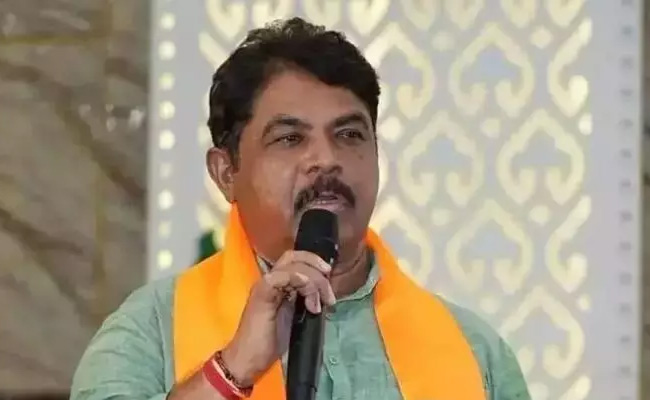
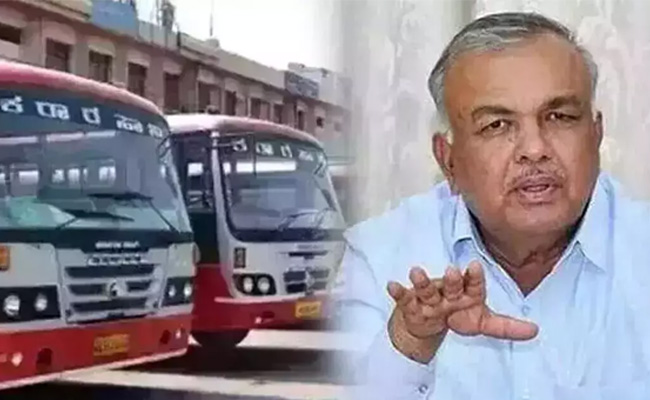
Bengaluru: Leader of Opposition in the Assembly R. Ashoka has accused the Congress government of using the hijab issue to placate what he described as discontent among minority voters after the Davanagere by-election.
In a post on X on Wednesday, Ashoka alleged that the state government, instead of addressing issues such as price rise, corruption, farmers’ distress and law and order, was attempting to retain its minority vote base by reviving the hijab issue.
Referring to the 2022 dress code introduced by the BJP government, which prohibited hijab in schools and colleges, Ashoka said the Karnataka High Court had upheld the policy and emphasised the importance of discipline in educational institutions.
He questioned the Congress government’s move to revisit the issue and asked whether setting aside the court-backed policy to benefit one community could be described as secularism.
Ashoka further alleged that while the government was willing to permit hijab, it continued to prohibit saffron shawls.
He accused the government of dividing students on religious lines rather than treating schools and colleges as spaces of equality.
Drawing a comparison with Mamata Banerjee’s government in West Bengal, Ashoka claimed that excessive appeasement politics had harmed the state and warned that the Congress in Karnataka could face a similar political response.
He said voters in Karnataka would teach the Congress a lesson for what he termed “vote-bank politics” and for compromising constitutional and judicial principles.