SC to hear on Nov 11 pleas challenging EC's decision to conduct pan-India SIR exercise
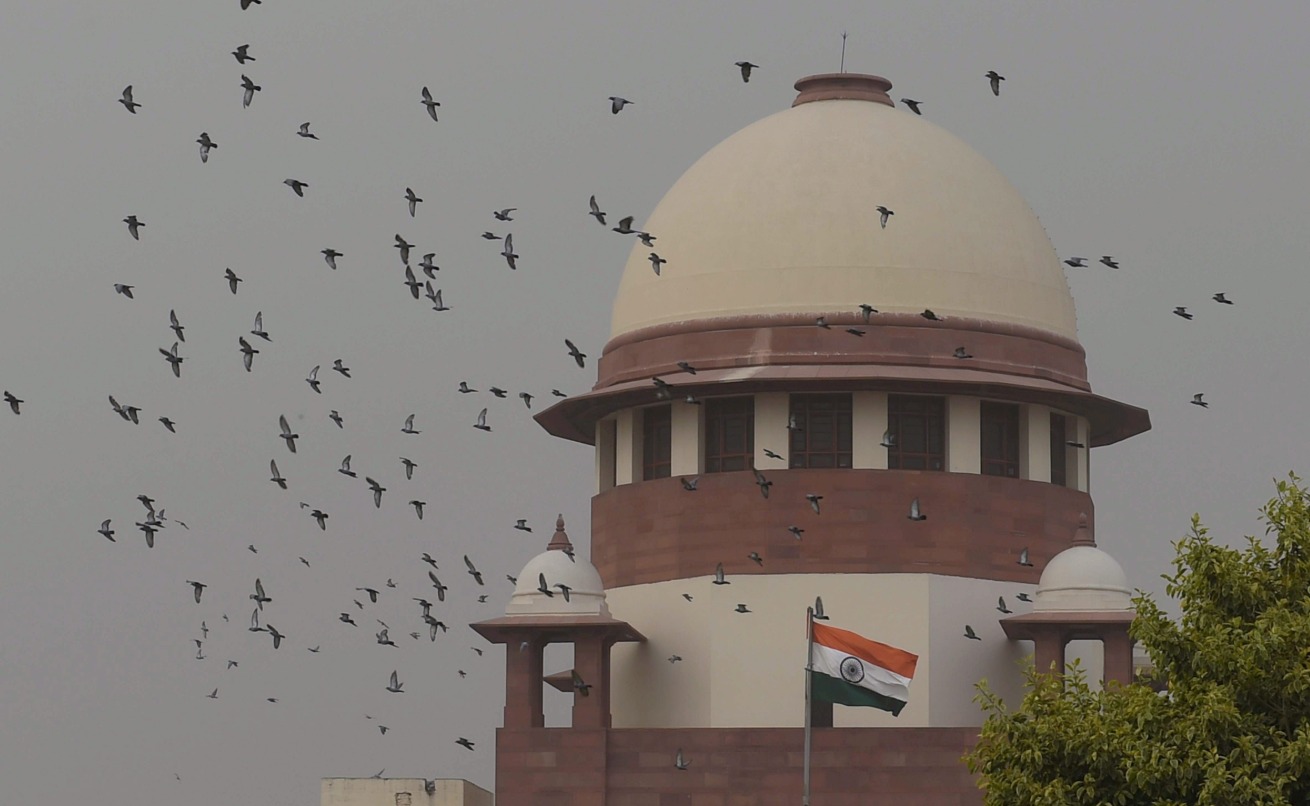
New Delhi (PTI): The Supreme Court on Friday agreed to hear on November 11 pleas challenging the Election Commission’s decision to conduct a pan-India Special Intensive Revision of electoral rolls.
A bench of Justices Surya Kant and Joymalya Bagchi said it will start hearing the pleas from November 11 onwards after advocate Prashant Bhushan, appearing for NGO, Association of Democratic Reforms, said the issue goes to the root of democracy.
The bench said though several important matters are listed from November 11 onwards, it would try to adjust the hearing of other matters to take up SIR matters.
Bhushan said urgency of the matter is because the SIR exercise has started in different states.
The top court is already hearing pleas challenging the validity of the poll panel’s decision to conduct the Special Intensive Revision (SIR) exercise in Bihar.
On October 16, the EC termed the Bihar SIR "accurate" and told the apex court that the petitioner political parties and NGOs are merely content with making "false allegations" to discredit the exercise.
The poll body also told the apex court that not a single appeal has been filed by any voter against name deletion since the publication of the final electoral roll.
It denied the allegation of the petitioners that there was a "disproportionate exclusion of Muslims" from the final electoral roll of the state prepared after the months-long SIR exercise.
On September 30, the EC, while publishing the final electoral list of the poll-bound Bihar, said the total number of electors has come down by nearly 47 lakh to 7.42 crore in the final electoral roll from 7.89 crore before SIR.
The final figure has, however, increased by 17.87 lakh from 7.24 crore electors named in the draft list issued on August 1, which had removed 65 lakh voters from the original list on various accounts, including deaths, migration and duplication of voters.
While 21.53 lakh new electors have been added to the draft list, 3.66 lakh names have been removed, resulting in a net increase of 17.87 lakh.
The first phase of elections in Bihar on 121 seats of the 243-member assembly got completed on Thursday, while the remaining 122 constituencies will go to polls on November 11. The counting of votes will be held on November 14.
Let the Truth be known. If you read VB and like VB, please be a VB Supporter and Help us deliver the Truth to one and all.
Lebanon appoints new representative for talks with Israel, rejects linkage to Iran
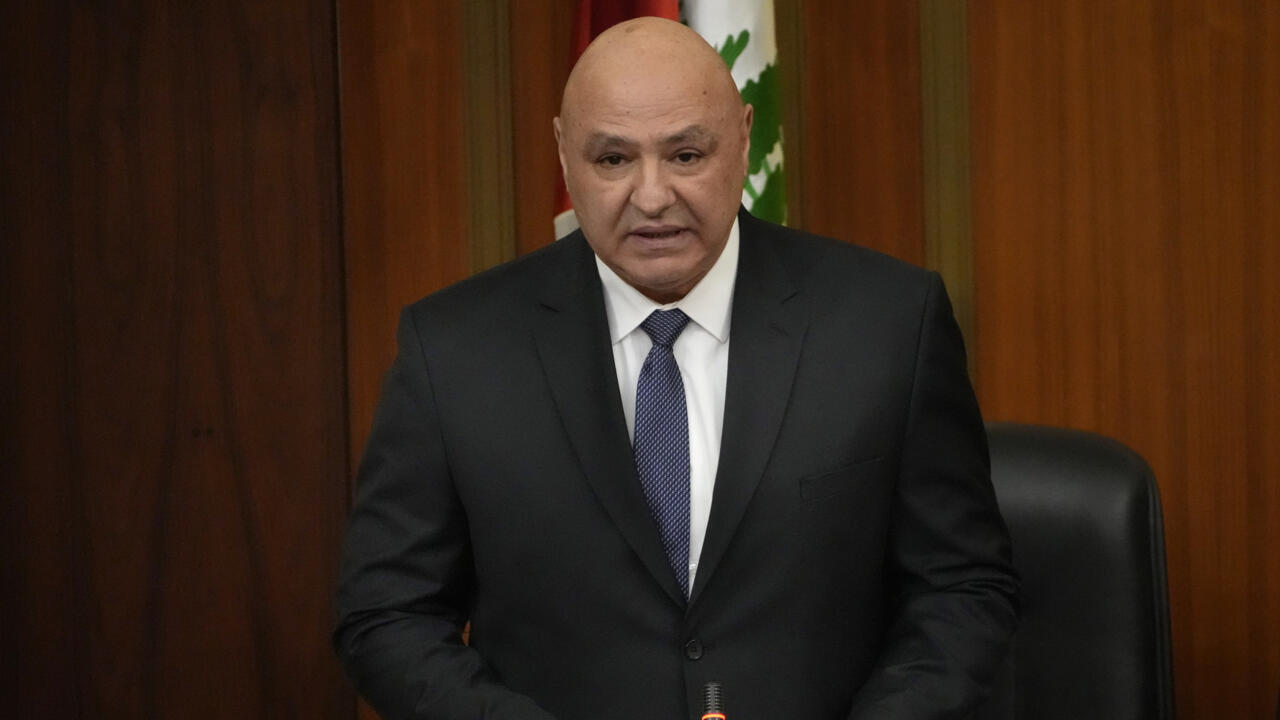
Beirut: Lebanon’s has moved to underline its independent position in ongoing regional developments, amid attempts to link the country to the broader conflict involving Iran, the United States and Israel.
President Joseph Aoun, while announcing the appointment of former US ambassador Simon Karam as Lebanon’s representative in talks with Israel, made it clear that Karam would be the sole representative for Lebanon and that there would be no substitute.
The move comes in response to what the Lebanese officials see as efforts by Iran to tie Lebanon’s situation to the wider regional conflict. Iran had indicated that there would be no ceasefire involving the US, Israel and Iran unless it also included a ceasefire in Lebanon.
Some groups, including Hezbollah and its supporters, had expressed support for linking the situations, citing concerns that the Lebanese government has limited leverage in negotiations with Israel. Lebanon is not formally a party to the conflict, and its army is considered weak.
However, others, including Prime Minister Nawaf Salam, have opposed this approach. They view Iran’s stance as an attempt to influence Lebanon’s internal affairs and see it as undermining the country’s sovereignty.
Officials backing the government’s position say the move is aimed at reaffirming Lebanon’s sovereignty and ensuring that decisions about peace and ceasefire within the country are not dictated externally.
They also see it as a safeguard, so that any breakdown in talks between the US, Israel and Iran does not automatically lead to renewed conflict in Lebanon.