SC to hear plea against AFSPA dilution on August 20
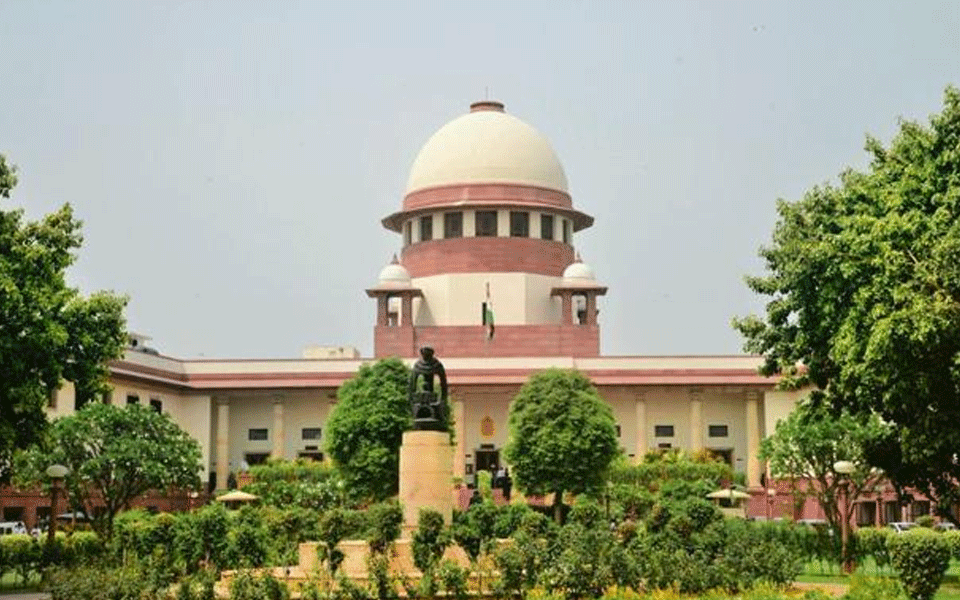
New Delhi, Aug 14 : The Supreme Court will hear on August 20 a plea by a group of serving Army officers against the dilution of AFSPA that gives immunity to military personnel from prosecution for actions in disturbed and insurgency-hit areas.
A bench headed by Chief Justice Dipak Misra agreed to hear the plea after advocate Aishwarya Bhati sought an early hearing.
The petitioners have sought specific guidelines to protect military personnel from criminal proceedings for bona-fide actions done in the discharge of official duties in areas infested with insurgents and witnessing proxy wars against India.
The petitioners range from Section Commanders to Commanding Officers who lead section, platoon, company, battalion made of 10 to 1,000 men each.
They contended that the protection provided by the Armed Forces Special Powers Act (AFSPA) does not confer any special right to a soldier for himself, but facilitates his functioning and operations in extraordinary circumstances of proxy war, insurgency, armed hostility, ambushes, and covert and overt operations.
Drawing a distinction between routine policing and military operations in disturbed areas, they contended that absolute protection for bona-fide actions of soldiers in extraordinary situations is imperative to enable them to carry out their duties effectively and efficiently.
This protection from criminal prosecution for bona-fide actions of a soldier in the course of military operations in disturbed areas, the petition says, is sine qua non for the protection of the country's sovereignty and integrity.
The officers sought a court direction that "protection of persons acting in good faith under the AFSPA is sacrosanct with the sovereignty and integrity of the nation" and that "no prosecution, suit or other legal proceeding shall be instituted, except with the previous sanction of the Central government...."
They further averred that it was the Army alone which is familiar with the dynamics of these operations, and was capable of probing into allegation of criminality, misuse, abuse, or of excessive use of power by men in uniform.
"Civil police or even the Central Bureau of Investigation can't even be expected to be in the know of complete picture," they claimed.
The petition by Col Amit Kumar and others is rooted in a spate of complaints and FIRs against military personnel deployed in disturbed areas of the northeast and trouble- torn Jammu and Kashmir and the same being entertained by courts.
Let the Truth be known. If you read VB and like VB, please be a VB Supporter and Help us deliver the Truth to one and all.
Congress using hijab issue to pacify minority anger, alleges Karnataka LoP R Ashoka
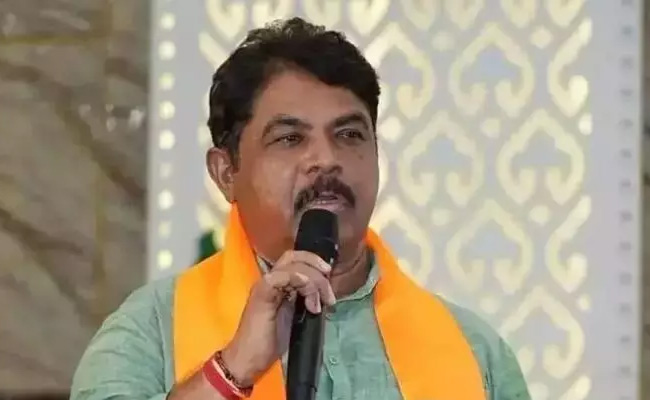
Bengaluru: Leader of Opposition in the Assembly R. Ashoka has accused the Congress government of using the hijab issue to placate what he described as discontent among minority voters after the Davanagere by-election.
In a post on X on Wednesday, Ashoka alleged that the state government, instead of addressing issues such as price rise, corruption, farmers’ distress and law and order, was attempting to retain its minority vote base by reviving the hijab issue.
Referring to the 2022 dress code introduced by the BJP government, which prohibited hijab in schools and colleges, Ashoka said the Karnataka High Court had upheld the policy and emphasised the importance of discipline in educational institutions.
He questioned the Congress government’s move to revisit the issue and asked whether setting aside the court-backed policy to benefit one community could be described as secularism.
Ashoka further alleged that while the government was willing to permit hijab, it continued to prohibit saffron shawls.
He accused the government of dividing students on religious lines rather than treating schools and colleges as spaces of equality.
Drawing a comparison with Mamata Banerjee’s government in West Bengal, Ashoka claimed that excessive appeasement politics had harmed the state and warned that the Congress in Karnataka could face a similar political response.
He said voters in Karnataka would teach the Congress a lesson for what he termed “vote-bank politics” and for compromising constitutional and judicial principles.