Search operation ends in Anjaw truck accident, 20 bodies recovered
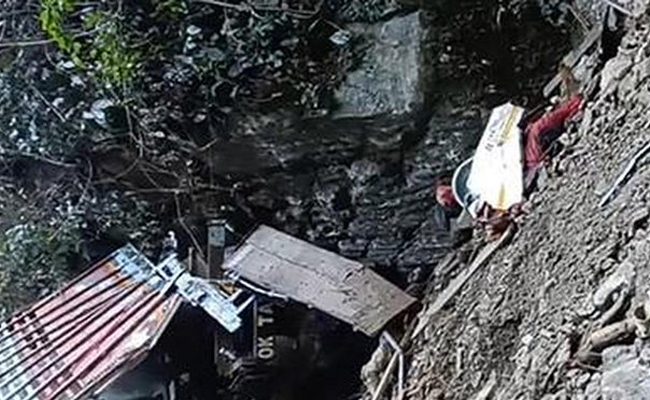
Itanagar (PTI): The multi-agency search and rescue operation in Anjaw district of Arunachal Pradesh, where a mini-truck on which 21 people from Assam were travelling plunged into a deep gorge, has been officially called off by the district administration on Monday.
Till Sunday, 20 bodies were recovered and one survivor rescued following four days of intensive efforts by disaster response teams, Anjaw Deputy Commissioner Millo Kojin said.
The DC in an official order said that the search and rescue operation, which began on December 11, was formally concluded at 10 am on Monday after exhaustive combing of the accident site near Lailiang, about 40 km from Hayuliang sub-division.
Though earlier it was estimated that 22 labourers were in the ill-fated vehicle, but a communication from the senior superintendent of police of Assam's Tinsukia district on Sunday confirmed that there were only 21 people in the mini truck, including the driver, the DC said.
ALSO READ: Private bus from Kerala gutted on the streets in South Kodagu; no fatality reported
The accident occurred on the night of December 8 along the Hayuliang–Chaglagam road when a mini truck carrying 21 labourers from Tinsukia district of Assam fell into a deep gorge. The incident came to light only on the evening of December 10 after one injured survivor managed to reach a nearby Border Roads Task Force (BRTF) labour camp and alerted authorities.
Following the report, a large-scale rescue operation was mounted involving the National Disaster Response Force (NDRF), Indian Army, BRTF, local police and the district administration.
Despite extremely challenging terrain and weather conditions, rescue teams successfully retrieved 20 bodies from the gorge, while one labourer survived the mishap.
In a separate order, the district administration confirmed that the NDRF team completed its assigned task and has been released from duty with immediate effect, after all mortal remains were handed over to the district administration and subsequently to the relatives of the deceased following completion of legal formalities.
The deputy commissioner, who is also chairman of the District Disaster Management Authority (DDMA), placed on record appreciation for the professionalism, dedication and coordinated response of all agencies involved in the operation, carried out under extremely difficult conditions.
The district administration also expressed deep condolences to the bereaved families of the victims.
Let the Truth be known. If you read VB and like VB, please be a VB Supporter and Help us deliver the Truth to one and all.
India describes attack on Fujairah 'unacceptable'
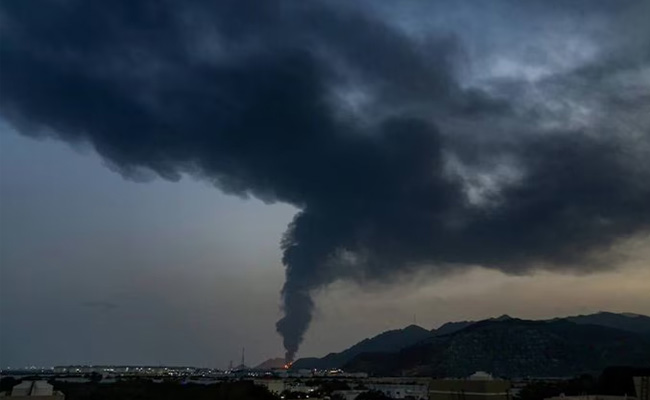
New Delhi (PTI): India on Tuesday described the wounding of three Indians in an attack on the United Arab Emirates' port city of Fujairah as "unacceptable" and pressed for an immediate cessation of hostilities targeting innocent civilians.
New Delhi's reaction came a day after the Indians were injured after a drone attack caused a fire at a major oil industry zone in Fujairah. The UAE had accused Iran of carrying out the strike.
"The attack on Fujairah that resulted in injury to three Indian nationals is unacceptable," External Affairs Ministry spokesperson Randhir Jaiswal said.
"We call for immediate cessation of these hostilities and the targeting of civilian infrastructure and innocent civilians," the spokesperson said.
Jaiswal said India continued to stand for dialogue and diplomacy to deal with the situation so that peace and stability could be restored across West Asia.
"We also call for free and unimpeded navigation and commerce through the Strait of Hormuz in keeping with international law. India stands ready to support all efforts for a peaceful resolution of issues," he said.
The attack on Fujairah city came as the ceasefire between the US and Iran came under strain in the Strait of Hormuz.
The Strait of Hormuz, through which roughly one-fifth of the world's oil and gas pass, remains a major sticking point in the talks. Shipping through the narrow Gulf waterway has been severely disrupted by the conflict, triggering a sharp increase in oil prices and energy shortages in several countries.
The UAE's defence ministry on Monday said its air defence systems engaged 12 ballistic missiles, three cruise missiles and four drones launched from Iran.
The ministry affirmed that it "remains fully prepared and ready to deal with any threats and will firmly confront anything that aims to undermine the security of the country."