Security forces on high alert along LoC as 500 militants waiting to sneak into J&K to create unrest
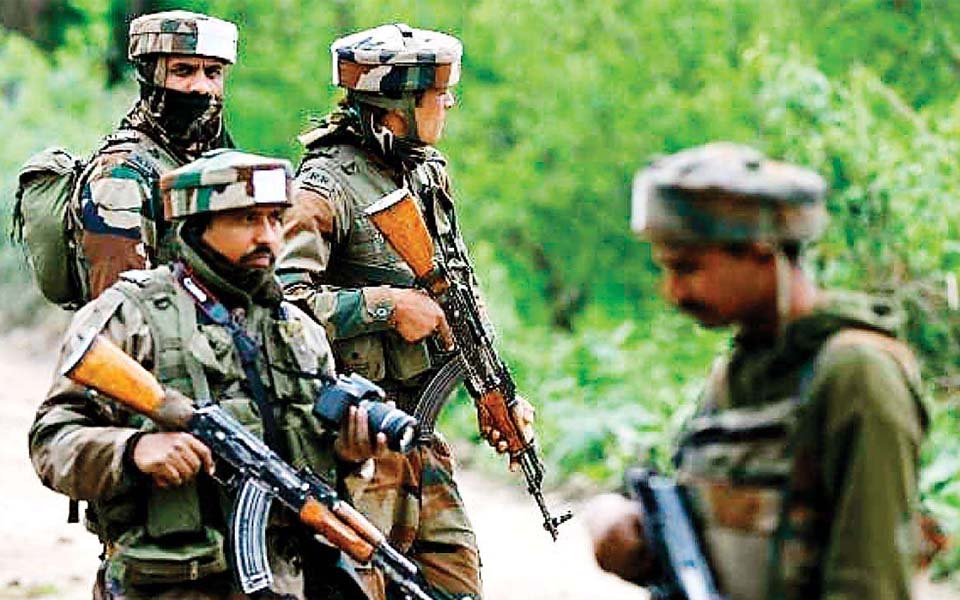
New Delhi, Sep 23: Indian security forces have been given full freedom to effectively deal with any infiltration bid along the LoC in Jammu and Kashmir following inputs that around 450-500 well-trained terrorists are waiting at terror launch pads to sneak into the Valley as part of Pakistan's design to trigger unrest, military sources said on Monday.
Some of the terrorists waiting to infiltrate into India were trained at the Jaish-e-Mohammad camp in Balakot which was bombed by Indian Air Force in February, the sources said.
Army Chief General Bipin Rawat on Monday said Pakistan has reactivated the Balakot terror camp very recently.
The sources said a large group of terrorists are waiting at the terror launch-pads in Lipa valley on the Pakistani side.
According to intelligence inputs, Pakistan-based terror groups are likely to target vital installations in several key cities.
"Around 450-500 terrorists are waiting at the terror launch pads along the LoC in PoK," said a source.
They said Pakistan's plan is to create unrest in Kashmir with an aim to project to the international community that the situation in the Valley is deteriorating after India decided to withdraw special status of Jammu and Kashmir.
The sources said the Army remains on high alert and has been given full freedom to deal with any security challenge "effectively".
Let the Truth be known. If you read VB and like VB, please be a VB Supporter and Help us deliver the Truth to one and all.
Supreme Court grants anticipatory bail to Pawan Khera in Assam Police FIR

New Delhi: The Supreme Court of India on Friday granted anticipatory bail to Congress leader Pawan Khera in connection with an FIR registered by the Assam Police.
The case arose from a complaint filed by Riniki Bhuyan Sarma, wife of Assam Chief Minister Himanta Biswa Sarma, over allegations made by Khera that she possessed multiple passports.
A bench comprising Justice JK Maheshwari and Justice AS Chandurkar delivered the judgment after reserving orders on Khera’s petition challenging the dismissal of his anticipatory bail plea by the Gauhati High Court.
In its ruling, the Supreme Court observed that the High Court’s findings were not based on a proper appreciation of the material on record and appeared to be erroneous, particularly in shifting the burden onto the accused.
The bench further held that the High Court erred in making observations regarding an offence under Section 339 of the Bharatiya Nyaya Sanhita, noting that the FIR did not contain any such allegation. It stated that such conclusions could not have been drawn merely on the basis of submissions made by the Advocate General.