Senior lawyer Dushyant Dave writes to CJI over listing of cases in SC
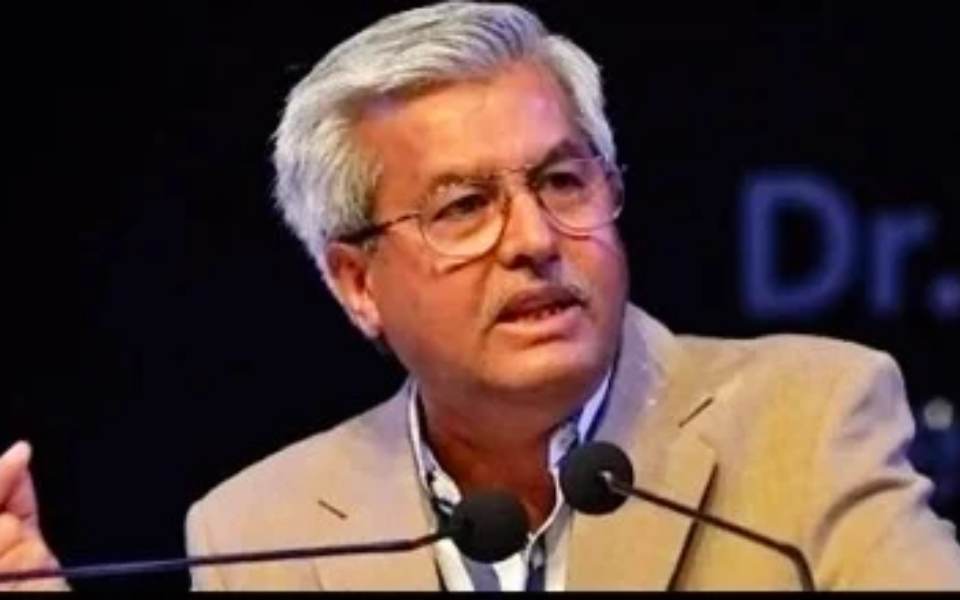
New Delhi, Dec 7: Senior advocate Dushyant Dave on Wednesday wrote to Chief Justice of India D Y Chandrachud expressing anguish over "certain happenings" in the listing of cases and their reallocation to other benches in the Supreme Court and sought immediate corrective measures.
The open letter comes a day after Supreme Court judge S K Kaul expressed surprise when some lawyers, including Prashant Bhushan, alleged sudden deletion from court number two's cause list. The cases related to the Centre's alleged delay in acting on the collegium's recommendations on elevation and transfer of high court judges.
"I am deeply anguished at certain happenings about the listing of cases by the Registry of the Supreme Court of India," Dave, former president of the Supreme Court Bar Association (SCBA), said. He added that some cases are sensitive in nature involving "human rights, freedom of speech, democracy, and functioning of statutory and constitutional institutions".
Dave expressed regret that he had to write the open letter as efforts by some lawyers to meet the CJI personally did not yield any result.
He also referred to constitutional schemes and rules governing the listing of cases in the apex court and the administrative power of the CJI as master of the roster.
"Yet, I have personally come across a number of cases listed before various Hon'ble Benches upon first listing and/ or in which notice have been issued, being taken away from those Hon'ble Benches and listed before other Hon'ble Benches. Despite first coram being available the matters are being listed before a Hon'ble Benches in which second coram presides.
"Matters listed before Court No. 2, 4, 6, 7 amongst others have been shifted out and listed before other Hon'ble Benches in clear disregard of the Rules, the Handbook on Practice and Office Procedure referred above and established Practice and Convention. Curiously, the Seniority of the first coram is also being ignored in doing so...," the letter said.
Dave wrote of instances shared by other Supreme Court lawyers on the shifting of cases from one bench to another.
"But it would not be out of place to mention that these matters include some sensitive matters involving human rights, Freedom of Speech, Democracy, and Functioning of Statutory and Constitutional Institutions," he added.
He said such happenings do not augur well for the "highly respected" institution and urged the CJI to "look into this immediately and take corrective measures".
"On your appointment, strong hopes were created in the minds of citizens that under your leadership, the Supreme Court of India will rise to greater heights, the march towards which has somehow paused for some time earlier. The scars caused on account of such improprieties in the past few years on justice delivery have not healed as yet," he said.
Let the Truth be known. If you read VB and like VB, please be a VB Supporter and Help us deliver the Truth to one and all.
TMC will be voted back to power in Bengal: Tejashwi Yadav
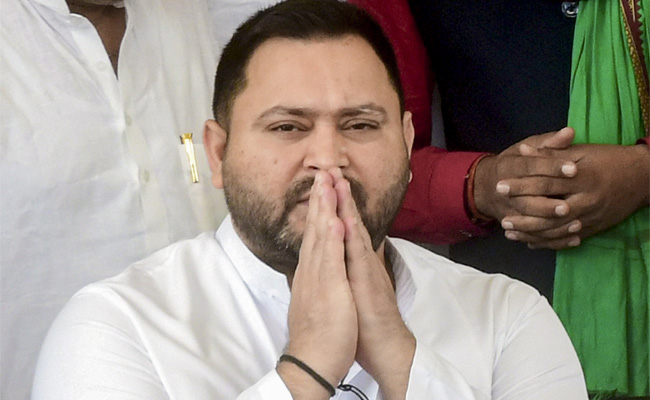
Patna (PTI): Leader of Opposition in Bihar assembly, Tejashwi Yadav, on Tuesday exuded confidence that the Mamata Banerjee-led TMC will again be voted to power in West Bengal.
Yadav returned to Patna after a four-day poll campaign in West Bengal.
“The atmosphere there is euphoric and people want to bring Didi (Mamata Banerjee) back to power. I am fully confident that the TMC will win the election,” he told reporters here.
He said that a large number of people from Bihar living in West Bengal share a lot of love and respect for Mamata Banerjee.
Responding to BJP’s allegations that the TMC had “ruined” West Bengal during its tenure, the RJD leader said the “entire country has been ruined under the Narendra Modi-led government”.
“I want to ask one question to Modi ji – you have been prime minister for more than 11 years, tell me one thing you have done for Bengal,” Yadav said.
The first phase of elections to the 294-member West Bengal assembly was held on April 23, while the second phase will take place on April 29. Votes will be counted on May 4.