Shahi Idgah row: Deity was not party in 'compromise' between two sides in 1968, Hindu side tells HC
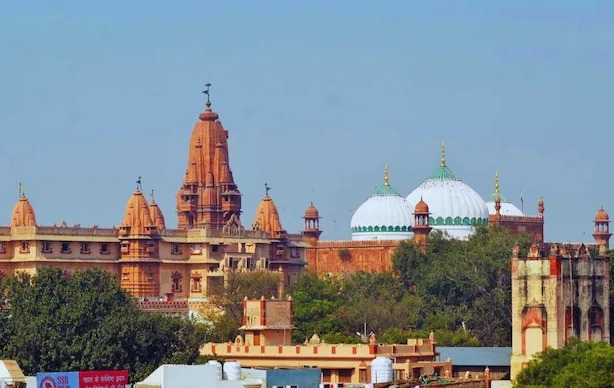
Prayagraj (PTI): The Hindu side in the Krishna Janmabhoomi-Shahi Idgah dispute submitted in Allahabad High Court Wednesday that the deity was not a party in the claimed compromise between the two sides in 1968 or in the court decree passed in 1974.
The counsel for the Hindu side also said that the claimed compromise was made by Sri Krishna Janmasthan Seva Sansthan, which was not empowered to enter into any such pact.
The object of the Sansthan was only to manage day-to-day activities of the temple and had no right to enter into such compromise, the Hindu side argued.
The submissions were made during the hearing of the suit seeking "removal" of the Shahi Idgah mosque adjacent to the Krishna Janmabhoomi temple in Mathura.
The matter is being heard by Justice Mayank Kumar Jain on a plea moved by the Muslim side regarding the maintainability of the suit.
Arguments from the Hindu side will continue on Thursday.
During the earlier hearing, advocate Taslima Aziz Ahmadi, appearing for the Muslim side, had submitted before the court that the suit is barred by limitation.
As per Ahmadi, the parties had entered into a compromise on October 12, 1968. She had said the compromise has been confirmed in a civil suit decided in 1974.
The limitation to challenge a compromise is three years but the suit has been filed in 2020 and thus the present suit is barred by limitation, she had argued.
During the hearing on Tuesday, the Hindu side said the provisions of Waqf Act will not apply as the property in dispute is not a waqf property.
It said the suit is maintainable and its non-maintainability can only be decided after the leading evidence.
Let the Truth be known. If you read VB and like VB, please be a VB Supporter and Help us deliver the Truth to one and all.
Congress using hijab issue to pacify minority anger, alleges Karnataka LoP R Ashoka
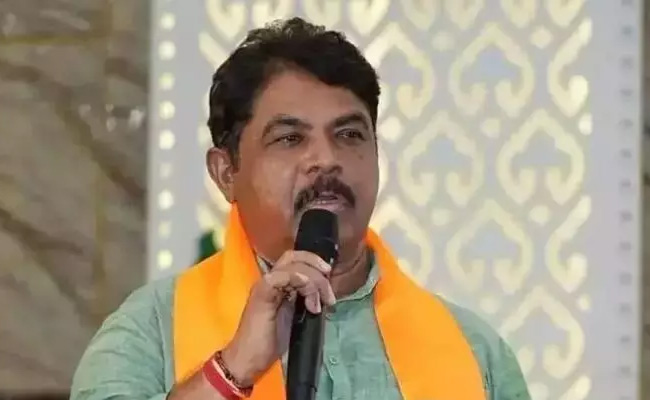
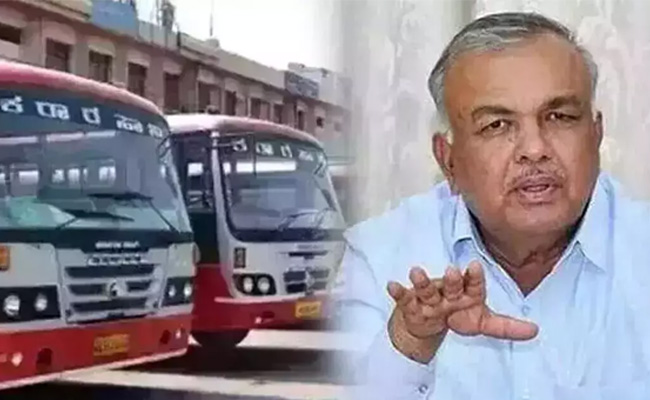
Bengaluru: Leader of Opposition in the Assembly R. Ashoka has accused the Congress government of using the hijab issue to placate what he described as discontent among minority voters after the Davanagere by-election.
In a post on X on Wednesday, Ashoka alleged that the state government, instead of addressing issues such as price rise, corruption, farmers’ distress and law and order, was attempting to retain its minority vote base by reviving the hijab issue.
Referring to the 2022 dress code introduced by the BJP government, which prohibited hijab in schools and colleges, Ashoka said the Karnataka High Court had upheld the policy and emphasised the importance of discipline in educational institutions.
He questioned the Congress government’s move to revisit the issue and asked whether setting aside the court-backed policy to benefit one community could be described as secularism.
Ashoka further alleged that while the government was willing to permit hijab, it continued to prohibit saffron shawls.
He accused the government of dividing students on religious lines rather than treating schools and colleges as spaces of equality.
Drawing a comparison with Mamata Banerjee’s government in West Bengal, Ashoka claimed that excessive appeasement politics had harmed the state and warned that the Congress in Karnataka could face a similar political response.
He said voters in Karnataka would teach the Congress a lesson for what he termed “vote-bank politics” and for compromising constitutional and judicial principles.