Shiv temple reopens in Muzaffarnagar after 1992 Ayodhya incident, Muslims shower flowers
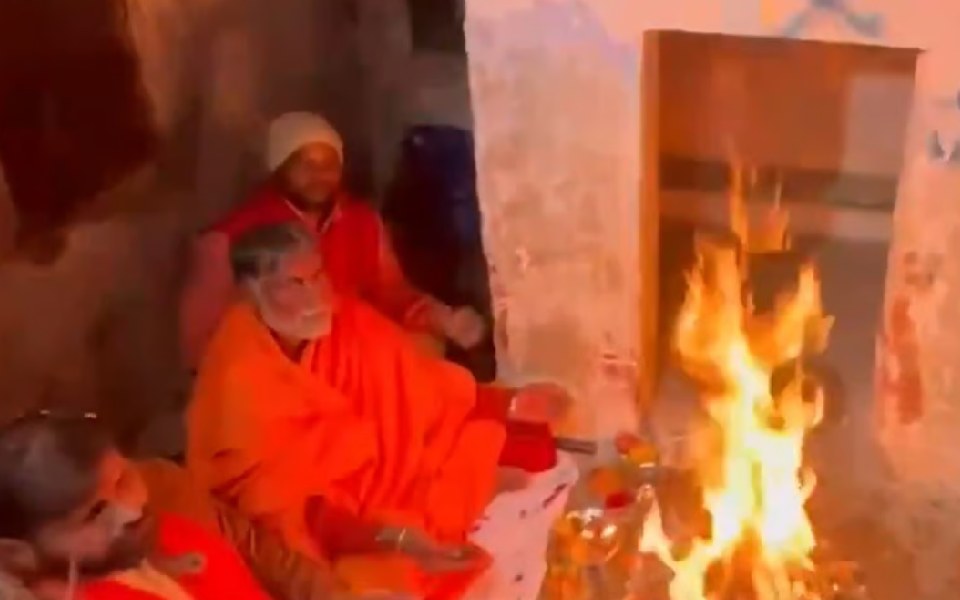
Muzaffarnagar (UP) (PTI): A Shiv temple in Ludhawala, a predominantly Muslim locality under the jurisdiction of Kotwali police station, was reopened on Monday with a 'havan' and Muslims showering flowers on a procession by Hindus.
The Shiv temple was built in 1971. However, during the communal tensions triggered by the Ayodhya incident in 1992, Hindu families from the locality migrated, taking the temple's idols and 'shivling' with them. Since then, the temple had remained closed.
City Magistrate Vikas Kashyap confirmed that the reopening and associated ceremonies were conducted peacefully.
"All functions in the temple were conducted without any disturbance. The atmosphere was cordial and Hindu activists, led by Swami Yashvir Maharaj, returned in a peaceful manner," Kashyap told PTI.
In a remarkable display of harmony, local Muslims welcomed the procession of Hindu activists by showering flowers on them as they made their way to the temple.
Swami Yashvir Maharaj led the purification ceremony in the temple, which involved performing a 'havan' and other rituals. "This is a significant moment for us. The Shiv temple has been closed for years, but today it has been reopened after proper purification," he remarked.
The swami had announced last week that the temple would reopen on December 23 after a purification ceremony.
The district administration had made elaborate security arrangements to ensure peace in the area. The police patrolled the locality to avoid any untoward incident during the event.
About 200 km away from Muzaffarnagar, excavations are going on in Sambhal after the reopening on December 13 of the Bhasma Shankar Temple, which had been closed for over 46 years.
Last week, an old temple structure was found in Khurja town of this district, sparking demands from right-wing outfits for its renovation.
Uttar Pradesh: In Muzaffarnagar, Swami Yashveer Maharaj conducted a Havan Poojan to purify a 54-year-old Shiva temple that had fallen into ruins. The ceremony was attended by both Hindus and Muslims pic.twitter.com/3ou0nelKgz
— IANS (@ians_india) December 23, 2024
Let the Truth be known. If you read VB and like VB, please be a VB Supporter and Help us deliver the Truth to one and all.
Bengaluru jail introduces biometric tracking system for prisoners
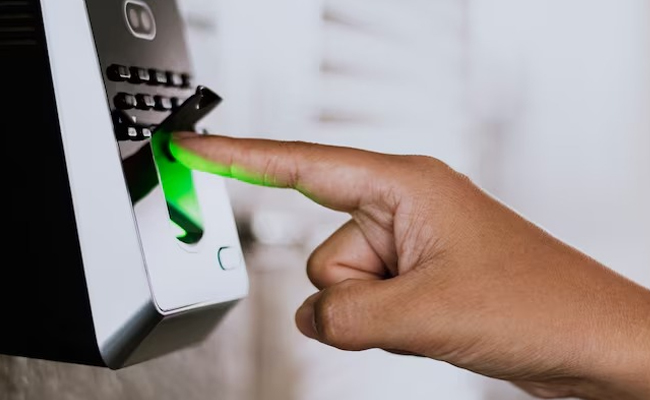
Bengaluru: In a bid to curb misconduct and illegal activities inside Parappana Agrahara Central Prison, prison authorities have introduced a new ‘Prisoners Tracking Movement System’ under which inmates will have to undergo biometric verification while entering every barrack.
According to jail officials, biometric systems have been installed across all major sections of the prison, including barracks, visitor rooms, hospital, canteen, kitchen, library, playground, handicraft units and bakery sections. Staff members have also been deployed at these locations.
Officials said inmates visiting the visitors’ room must now obtain a digital token after biometric verification. Details such as the prisoner’s name, identification number and entry time will be updated in the prison software system. This will help authorities maintain a complete digital record of inmates visiting and returning from meeting rooms.
Similar systems have also been introduced at entry points of the hospital, library and other barracks accessed for work-related purposes. Officials said the system will help identify prisoners involved in suspicious or illegal activities with other inmates and enable authorities to track how much time a prisoner spends at different locations inside the prison.
Authorities stated that AI-powered cameras were already being used inside the prison to monitor inmates as well as prison staff. Along with this, digital tracking of prisoner phone calls and a digital token system for visitor meetings have now been added to strengthen surveillance over inmate movement. Officials said the project has been implemented at a cost of around Rs 2.25 crore.
The prison department has also introduced a canteen usage tracking system to monitor prisoners’ spending patterns. Instead of direct cash payments, inmates can purchase bakery items and snacks using wallets or coupons issued within the prison system.
Officials said the digital system will record details including the buyer’s name, items purchased, quantity, date, time and remaining wallet balance. This will allow prison authorities to maintain complete expenditure records of inmates.