SIA report on Great Nicobar Project claims tribal consent, large-scale tree cutting raises concerns
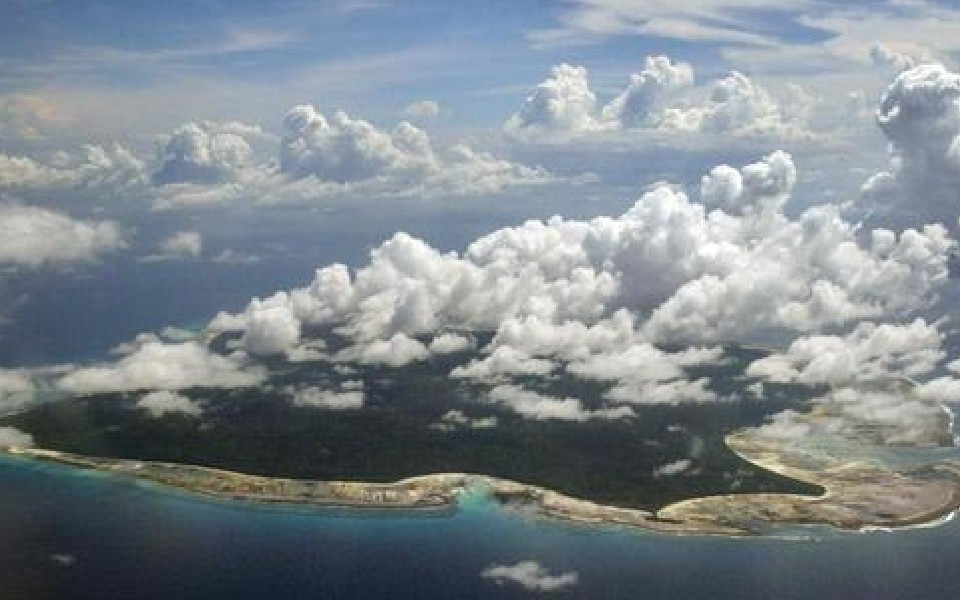
New Delhi: A draft Social Impact Assessment (SIA) report for the proposed Trunk Infrastructure Road in Great Nicobar Island has claimed that members of the Nicobarese and Shompen tribal communities have agreed to land diversion for the project and have acknowledged that the road construction will require cutting of trees on a large scale.
The draft SIA was published on the Directorate of Social Welfare’s website by the Andaman and Nicobar Administration. It claims the road will link all villages on the island and serve as a backbone for upcoming infrastructure including an international airport, container terminal, township and power plant under the ₹81,834 crore Great Nicobar development plan.
The road is expected to enhance connectivity, improve livelihoods and create economic opportunities as per the report. Further, according to the report, the project was not opposed by the tribals and the planned road does not conflict with their core forest zones or traditional hunting and foraging practices.
The report clearly says that the project would entail extensive tree chopping, even if it does not specify how many trees will be impacted overall. It also states that no alternative route was found feasible that would reduce land acquisition or environmental impact.
The SIA is based on consultations in six revenue villages where private land is to be acquired that includes Campbell Bay, Govind Nagar, Joginder Nagar, Vijay Nagar, Laxmi Nagar and Gandhi Nagar. A total of 80.03 hectares of private land is proposed for acquisition, while the project overall is likely to impact over 666 hectares.
The report has raised concerns among the experts. Referring to the impact of the Andaman Trunk Road on the Jarawa tribe. anthropologists have also warned that roads through ecologically sensitive zones can disrupt tribal life over time. Critics pointed out no specific details about the sections of the road passing through Tribal Reserve areas or protected forests are included in the report. Some tribal representatives also expressed that they were unaware of any such consultations.
Experts have cautioned that tribal land ownership systems which is not yet formalised in land records, are protected by law and must be respected. They have also called for clearer consent protocols and a detailed assessment of the road’s long-term ecological and cultural impact.
The draft report remains open for public feedback for 21 days. The Andaman and Nicobar Administration has not yet commented.
Let the Truth be known. If you read VB and like VB, please be a VB Supporter and Help us deliver the Truth to one and all.
4 workers die after being buried under coal slurry in Jharkhand's Dhanbad
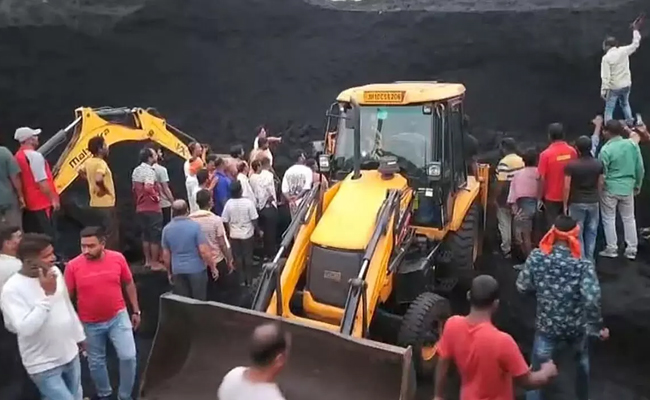
Dhanbad (Jharkhand) (PTI): At least four workers died after being buried under coal slurry in Jharkhand's Dhanbad district on Saturday, a police official said.
The incident took place at Moonidih coal washery in the command area of Bharat Coking Coal Limited (BCCL).
"Bodies of all four workers were dug out of debris during a rescue operation," Putki police station in-charge Waqar Hussain told PTI.
The incident took place when coal slurry was being loaded into trucks by workers, during which a large chunk of slurry fell and trapped several workers underneath, officials said.
The deceased have been identified as Manik Bauri, Dinesh Bauri, Deepak Bauri, and Hemlal Gope.
Meanwhile, the family members of the deceased and local villagers placed the bodies in front of the washery gate and began a protest.
They demanded compensation, jobs for dependents and action against those responsible for the incident.
Police and administration officials are trying to pacify the protesters, an official said.