Sindhi spiritual leader Dada Vaswani Dies at 99
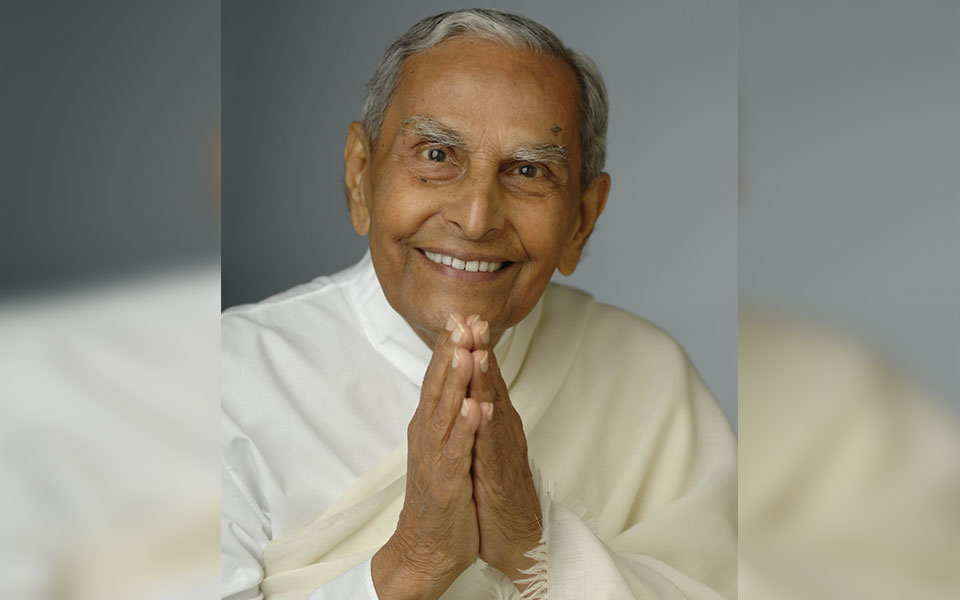
Pune, July 12 : Sadhu J.P. Vaswani, an eminent spiritual leader, philosopher, philanthropist of the Sindhi community, died here on Thursday following a brief illness, an official spokesperson said.
"Dadaji breathed his last at 9.01 a.m. today. He was 99. His body has been kept for final darshan at his ashram, Sadhu Vaswani Mission," the spokesperson told IANS.
He was admitted to a private hospital here a few days ago for treatment of age related issues and had been discharged on Wednesday.
Vaswani passed away amid mega-plans for his 100th birthday on August 2, which his devotees from all over the world were expected to attend.
Born on August 2, 1918, to a Sindhi couple Pahlajrai and Krishnadevi Vaswani of Hyderabad in the undivided India, Dada Vaswani - as he was revered by the community - was one among seven children, three sisters and four brothers.
He headed the Sadhu Vaswani Mission - founded by his uncle and spiritual Guru, the late Sadhu T.L. Vaswani in Hyderabad (Sindh, Pakistan) in 1929, which has now branched out all over the world.
Following his demise in 1966, Sadhu J.P. Vaswani was anointed his successor and he carried forward the legacy of his Guru's Mission globally.
A proponent of world peace, vegetarianism, girls' education, compassion for the poor, among others, Sadhu Vaswani addressed the British House of Commons in London, Global Forum of Spiritual Leaders in Oxford, World Parliament of Religions in Chicago, Millenium World Peace Summit of Religious and Spiritual Leaders at the UN, Parliament of World Religions in South Africa,.
He initiated a global peace initiative - The Moment of Calm, when people observe two-minutes of silence to forgive all, on August 2, with eminent personalities like the Dalai Lama joining.
Among various national and international honours conferred on Sadhu Vaswani were the U Thant Peace Award in 1998, jointly with Pope John Paul II.
Let the Truth be known. If you read VB and like VB, please be a VB Supporter and Help us deliver the Truth to one and all.
US warns shipping firms they could face sanctions over paying Iranian tolls in Strait of Hormuz
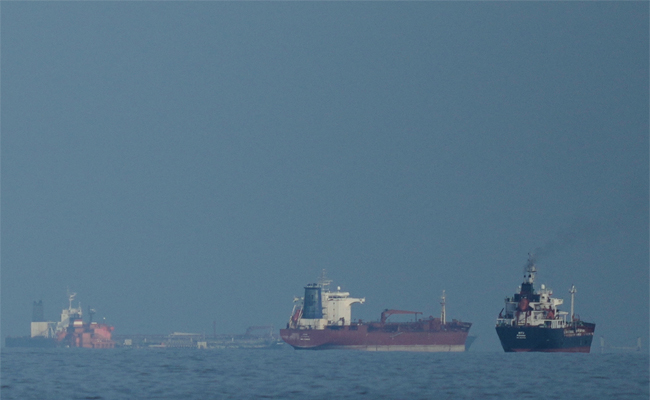
Dubai (AP): The United States is warning shipping companies that they could face sanctions for making payments to Iran to safely pass through the Strait of Hormuz.
The alert posted Friday by the US Office of Foreign Assets Control adds another layer of pressure in the standoff between the US and Iran over control of the Strait of Hormuz.
About a fifth of the world's trade in oil and natural gas typically passes through the strait at the mouth of the Persian Gulf in peacetime.
Iran effectively closed the strait to normal traffic by attacking and threatening to attack ships after the US and Israel launched a war on Feb. 28. It later began offering some ships safe passage by detouring them through alternate routes closer to its shoreline, charging fees at times for the service.
That "tollbooth” effort is the focus of the US sanctions warning.
The payment demands could include transfers not only in cash but also “digital assets, offsets, informal swaps, or other in-kind payments,” including chartibale donations and payments at Iranian embassies, OFAC said.
“OFAC is issuing this alert to warn US and non-US persons about the sanctions risks of making these payments to, or soliciting guarantees from, the Iranian regime for safe passage. These risks exist regardless of payment method,” it said.
ALSO READ: Student preparing for NEET dies after falling from hostel's fourth floor in Kota
The US responded to Iran's closure of the strait with a naval blockade of its own on April 13, preventing any Iranian tankers from leaving and depriving Iran of oil revenue it needs to shore up its ailing economy.
The US Central Command said 45 commercial ships have been told to turn around since the blockade began.
Trump rejects Iranian proposal
--------------------------------------
The warning came as US President Donald Trump swiftly rejected Iran's latest proposal to end the war between the countries.
“They want to make a deal, I'm not satisfied with it, so we'll see what happens,” Trump said Friday at the White House. He didn't elaborate on what he saw as its shortcomings but expressed frustration with the Iranian leadership.
“It's a very disjointed leadership,” Trump said. “They all want to make a deal, but they're all messed up.”
Iran's state-run IRNA news agency reported Iran handed over its plan to mediators in Pakistan on Thursday night.
The shaky three-week ceasefire between the US and Iran appears to be holding, though both countries have traded accusations of violations. The standoff is increasingly putting pressure on the global economy, driving up prices and leading to shortages of fuel and other products tied to the oil industry.
Negotiations continued by phone after Trump called off his envoys' trip to Pakistan last week, the president said. Trump this week floated a new plan to reopen the critical passageway used by America's Gulf allies to export their oil and gas.
Iranian Foreign Minister Abbas Araghchi has briefed many of his regional counterparts on the country's initiatives to end the ear, according to his social media. He also held talks Friday with European Union foreign policy chief Kaja Kallas, who is in contact with the EU's Gulf partners.
China's UN envoy urges Iran to lift restrictions
------------------------------------------------------
Fu Cong, the Chinese ambassdor to the United Nations, said Friday that maintaining the ceasefire is “the most urgent issue" as well as bringing together the sides to resume good faith negotiations “to make sure that the ground is laid for reopening of Hormuz.”
Foreign Minister Wang Yi “has been on the phone almost constantly” with representatives from all sides, Fu said, adding that China supports Pakistan's efforts to mediate between the parties.
Fu stressed the root cause of the tremendous suffering in Iran and neighboring countries and the growing turmoil in the global economy, especially in developing countries, “is the illegitimate war by the US and Israel.