SIO files PIL in Supreme Court seeking NEET re-examination, SIT probe into NTA processes
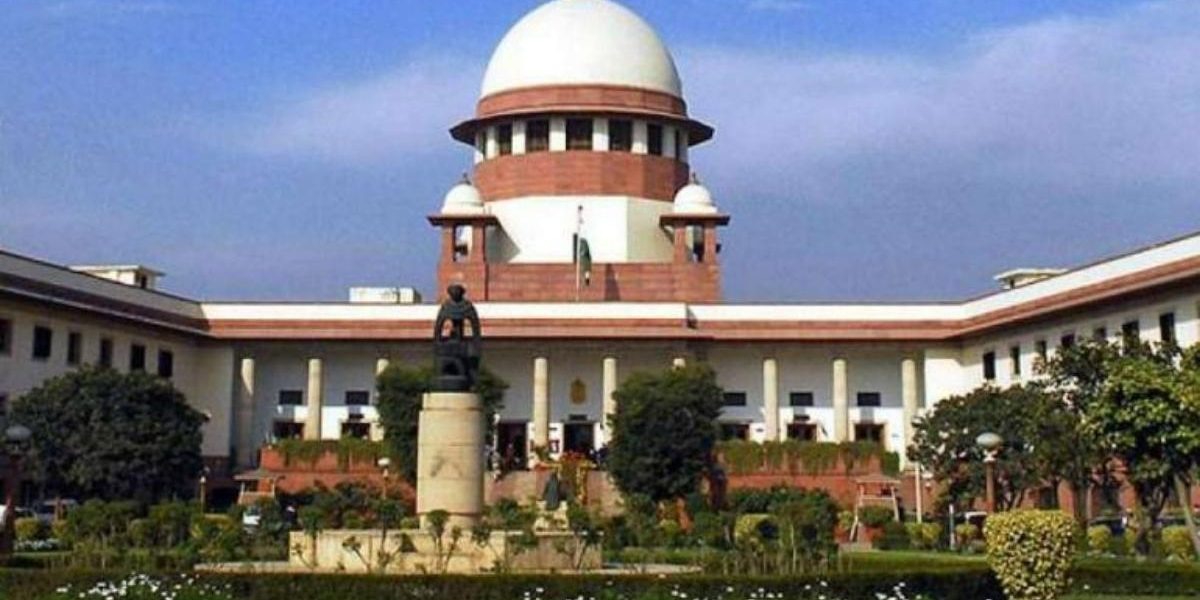
New Delhi: The Students Islamic Organization of India (SIO) has filed a Public Interest Litigation (PIL) in the Supreme Court, demanding a re-examination of the National Eligibility cum Entrance Test (NEET) and an investigation by a Special Investigation Team (SIT) into the processes conducted by the National Testing Agency (NTA).
The petition is led by Abdullah Mohammed Faiz from Telangana and Dr. Shaik Roshan Mohiddin from Andhra Pradesh, both active SIO members, dedicated to advocating for student welfare across the country.
At a press conference held at the Press Club of India, Dr. Roshan Mohiddin, National Secretary of SIO, expressed concerns regarding the NTA’s conduct. He highlighted several discrepancies, including the abrupt reopening of the registration notification on April 9th, even after a 15-day extension period. Recent incidents of paper leaks in Bihar and malpractices in Gujarat and Noida, which led to arrests, have further undermined trust in the examination's integrity.
Dr. Mohiddin also criticized the allocation of grace marks, questioning the transparency and accountability of the NTA. He noted that while the NTA claimed to award these marks for 'loss of time', they failed to document or transparently communicate the criteria and methodology for determining this 'loss of time'. The reference to a 2018 Supreme Court ruling about CLAT exams on Twitter, without including any information in the official brochure, only added to the skepticism. The logic behind the allocation of grace marks, ranging from -20 to 720, remains obscure. The mishandling of the grace mark allotment for 1,600 candidates without prior notification underscores the NTA’s questionable intentions. Additionally, the formation of a high-level committee without disclosing the members’ identities raises serious concerns about impartiality and integrity.
Addressing the press conference, Abdullah Faiz, another SIO secretary, raised concerns about the unprecedented number of perfect scores, with eight out of the top 67 students coming from the same center in Haryana. This disproportionate concentration of toppers in a single center casts doubts on the transparency and fairness of the examination process.
Faiz further highlighted the impact on students' mental health, referencing the recent suicide of a girl following the release of the results. He reaffirmed that SIO stands in solidarity with the affected students and their families, seeking justice and resolution to these critical issues.
The PIL calls for the Supreme Court to direct the Central government and SEBI to provide details on the share market crash following the Lok Sabha election results and the losses incurred by investors. The application, filed as an interlocutory application in the ongoing Hindenburg vs. Adani case, argues that the public has been kept in the dark regarding the completion of pending investigations by SEBI in compliance with the court’s order.
Let the Truth be known. If you read VB and like VB, please be a VB Supporter and Help us deliver the Truth to one and all.
AIITA welcomes Karnataka’s ban on obscene songs in school events
Bhatkal: The Karnataka unit of the All India Ideal Teachers Association (AIITA) has welcomed the Karnataka government’s decision to strictly ban school children from dancing to obscene songs during educational and cultural programmes in government, aided, and private schools across the state.
AIITA Karnataka State President M. R. Manvi congratulated the government for taking what he termed an important step to preserve the sanctity of education.
“Such decisions to safeguard the dignity of school children and uphold the values of education are the need of the hour. This rule should not be limited to government schools alone but must be strictly implemented in all private educational institutions as well,” he said.
He further urged the government to address other concerns within school programmes.
“The government should not only prohibit obscene dances in the name of school anniversaries, but also ensure that plays and dialogues that incite religious hatred are avoided. Schools should be centres of harmony, not platforms for spreading hatred,” he added.
According to a recent circular issued by the Department of School Education and Literacy, obscene dances are adversely affecting the mental health and moral values of students.
In this regard, schools have been advised to use songs that promote nationalism, positive thinking, the greatness of Kannada culture, and value-based traditions instead of inappropriate content during programmes.
The circular also emphasises that students should be dressed in decent attire.
AIITA also backed the department’s warning that disciplinary action would be taken against head teachers if such guidelines are violated. The association has further demanded that district Deputy Directors of Public Instruction strictly monitor the implementation of these rules.