SIR fallout obliterated localised anti-incumbency in WB, no discontent against Mamata: Sagarika
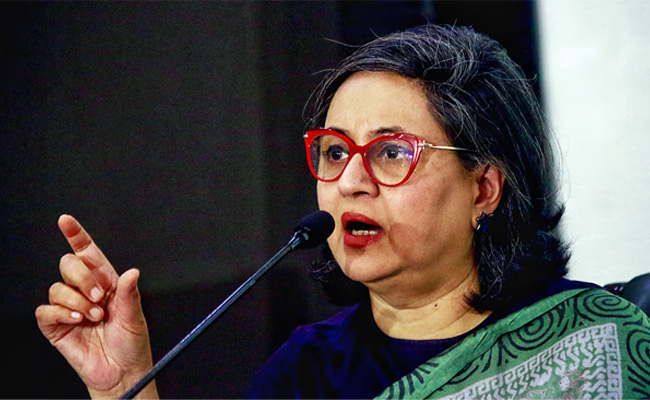
Kolkata (PTI): TMC's Rajya Sabha MP Sagarika Ghose said anti-incumbency in West Bengal, which was localised, has largely been obscured by the fallout of the SIR exercise, giving the party a distinct edge over the BJP in the upcoming assembly elections.
The journalist-turned-politician, who has been named one of the TMC's star campaigners for the polls, asserted that Mamata Banerjee, as a leader, doesn't face any disenchantment among her supporters. Such sentiments, she added, may have prevailed against a section of local leaders who have been replaced as candidates in the elections.
In its list of 291 candidates, declared by Banerjee on March 17, the TMC dropped 74 sitting MLAs, nearly a third of its legislative strength, signaling a calibrated counter anti-incumbency strategy.
"The BJP's agenda was to use the SIR process to defeat Mamata Banerjee and capture West Bengal by any means possible, since she has been continuously defeating the saffron party for the last 15 years.
"The exercise has now turned on its head, handing TMC a distinct advantage. If there was any local-level anti-incumbency brewing at all, that has been completely obscured by the SIR exercise. It was a gross mistake that the BJP committed," Ghose told PTI in an interview.
"Let them delete as many names as they want. We will still win," she added.
The TMC MP said that the "hurriedly imposed" SIR exercise, which cast citizenship doubts not only on the masses but also on accomplished citizens like Nobel laureate Amartya Sen, former chief secretary Nandini Chakravorty, minister Sashi Panja and cricketer Richa Ghosh have created an anti-BJP-wave in the state.
"Where are the infiltrators about whom the BJP was so vocal about?" she said.
Ghose said the TMC supremo's deep ground-connect and governance record, "which has gone largely unappreciated in the media", would find a positive response from people whose lives she has transformed.
"She is a 24x7 politician, in touch with her people. After three terms, some amount of anti-incumbency at the local level is natural. But there is no such sentiment against her as a chief minister. She is the only person of recourse in the state. People know they can turn to her in times of difficulty and she will sort things out," Ghose said.
Calling Banerjee a "political phenomenon that is unique in South Asia", Ghose hailed the TMC chief for "successfully steering a political startup in a viciously misogynistic and patriarchal atmosphere of Indian politics" without a legacy or mentor.
"She has given public space to women leaders in TMC like no other political party in India has. We are a women-first party and there's no way we will tolerate crimes against women," she said, responding to a question on how the party plans to respond to the issue of "lack of women's safety in West Bengal" in the upcoming polls.
Referring to crimes against women committed in 'double-engine' states like Uttar Pradesh, Bihar and Delhi, Ghose said the family of the RG Kar victim still had the "biggest chance of getting justice in West Bengal than anywhere else" in India.
"I am not getting into whataboutery. But how many women assault cases do you get know from BJP-ruled states amid the enforced large-scale media blackout? Will the Delhi Police even allow protest movements against such crimes in the national capital?" she said.
While the mother of the RG Kar victim, targeting the Left and TMC alike, expressed her desire to fight the West Bengal polls on a BJP ticket, the party has already fielded Rekha Patra, the face of Sandeshkhali resistance, from the Hingalganj seat.
Sabina Yasmin, mother of another alleged TMC violence victim Tamanna Khatun, has entered the poll fray as a CPI (M) nominee.
"These women have exercised their choice. But as a party, the TMC has a zero-tolerance policy on crimes against women. The CM is herself a victim of unspeakable CPI(M) abuse. Ours is a party led by a strong group of women.
"Mamata has ensured over 30 per cent women representation in the TMC. Crimes against women are both horrible and tragic and we have no intention of brushing them under the carpet. That's why she passed the Aparajita Bill in the state assembly for strict punishment to perpetrators. Why has that Bill been stopped by the Centre," Ghose asked.
Speaking about challenges before the TMC in the polls, Ghose said that combating the abundance of false propaganda, lies and disinformation generated from mainstream and social media was a tough task for the party.
"During my days as a journalist, I had little idea about the extent of disinformation that gets spread about West Bengal. The architecture of lies and disinformation about the state is huge and is coming round the clock. This is a formidable challenge for us to counter," she said.
Ghose referred to attacks on Bengali-speaking migrants across various states to further her argument.
"They declared a war on the Bengali language, issued notices alleging Muslim residents of Delhi's Jai Hind colony speak 'Bangladeshi language', whatever that means, out of scant regard and total ignorance of the multiple dialects of Bangla spoken in the state," she said.
"The harassment people faced on account of the BJP's anti-Bengal policies and its bulldozing of the under-prepared Election Commission in conducting the SIR have only ended up strengthening the TMC's position in the state," she added.
Let the Truth be known. If you read VB and like VB, please be a VB Supporter and Help us deliver the Truth to one and all.
Lebanon appoints new representative for talks with Israel, rejects linkage to Iran
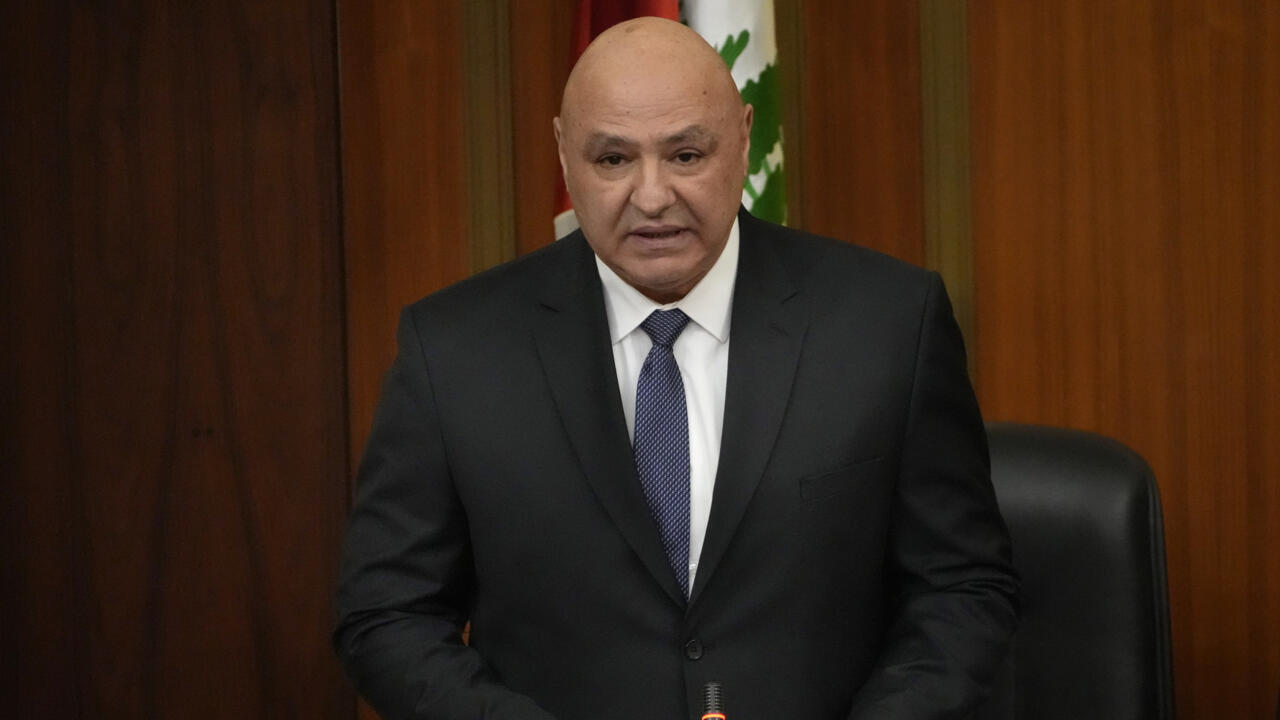
Beirut: Lebanon’s has moved to underline its independent position in ongoing regional developments, amid attempts to link the country to the broader conflict involving Iran, the United States and Israel.
President Joseph Aoun, while announcing the appointment of former US ambassador Simon Karam as Lebanon’s representative in talks with Israel, made it clear that Karam would be the sole representative for Lebanon and that there would be no substitute.
The move comes in response to what the Lebanese officials see as efforts by Iran to tie Lebanon’s situation to the wider regional conflict. Iran had indicated that there would be no ceasefire involving the US, Israel and Iran unless it also included a ceasefire in Lebanon.
Some groups, including Hezbollah and its supporters, had expressed support for linking the situations, citing concerns that the Lebanese government has limited leverage in negotiations with Israel. Lebanon is not formally a party to the conflict, and its army is considered weak.
However, others, including Prime Minister Nawaf Salam, have opposed this approach. They view Iran’s stance as an attempt to influence Lebanon’s internal affairs and see it as undermining the country’s sovereignty.
Officials backing the government’s position say the move is aimed at reaffirming Lebanon’s sovereignty and ensuring that decisions about peace and ceasefire within the country are not dictated externally.
They also see it as a safeguard, so that any breakdown in talks between the US, Israel and Iran does not automatically lead to renewed conflict in Lebanon.