SIT to submit first progress report on Sabarimala gold case to Kerala HC
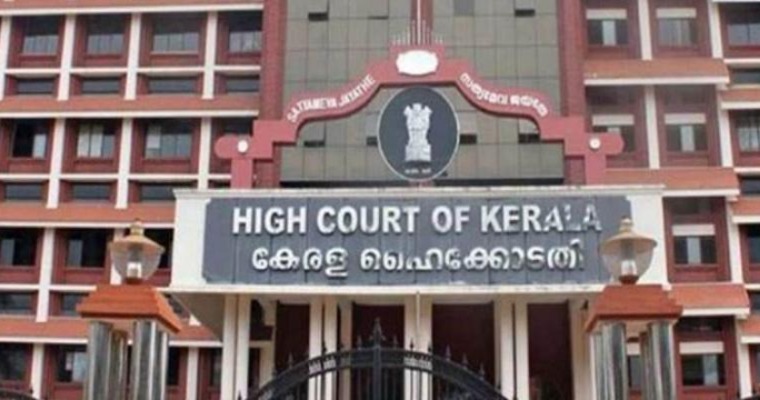
Pathanamthitta (PTI): The Special Investigation Team (SIT) probing the loss of gold from Sabarimala is expected to file its first progress report to the Kerala High Court soon, police sources said on Monday.
The division bench of Justices Raja Vijayaraghavan and KV Jayakumar will hear the case again on Tuesday.
Sources told PTI that the SIT plans to submit the report on the same day.
Officials said the report will cover the current status of the investigation, including the arrest of Bengaluru-based Unnikrishnan Potty, who sponsored the electroplating of gold-clad copper plates on the Dwarapalaka (guardian deity) idols and Sreekovil (sanctum sanctorum )door frames in 2019.
It will also detail the investigation carried out at Chennai, where the plates were electroplated, sources said.
The High Court, while assigning the SIT to the case, had directed the team to file a progress report within two weeks and set a six-week deadline to complete the investigation.
The SIT has registered two cases related to gold missing from the plates of Dwarapalaka idols and Sreekovil door frames. As many as 10 persons have been arraigned as accused in both cases, including Potty and the Travancore Devaswom Board (TDB) officials.
SIT is expected to interrogate other accused persons soon.
The amicus curiae, retired High Court judge Justice KT Sankaran, assigned to prepare an inventory of valuables, including gold at the hill shrine, is also expected to submit a preliminary report when the case is considered on Tuesday.
Justice Sankaran visited Sabarimala and examined the strong rooms last week.
Meanwhile, Kerala Pradesh Congress Committee (KPCC) president Sunny Joseph alleged that the government is protecting the accused persons in the Sabarimala case.
“Even though the court ordered the SIT probe on October 6, the arrest was made only on October 16. When Congress workers are arrested within hours in other cases, those accused of stealing crores of rupees worth of gold from Sabarimala are freely roaming. The government is intentionally protecting them,” he said.
Let the Truth be known. If you read VB and like VB, please be a VB Supporter and Help us deliver the Truth to one and all.
Trump says he ‘hasn’t even thought about’ continuing Iran ceasefire
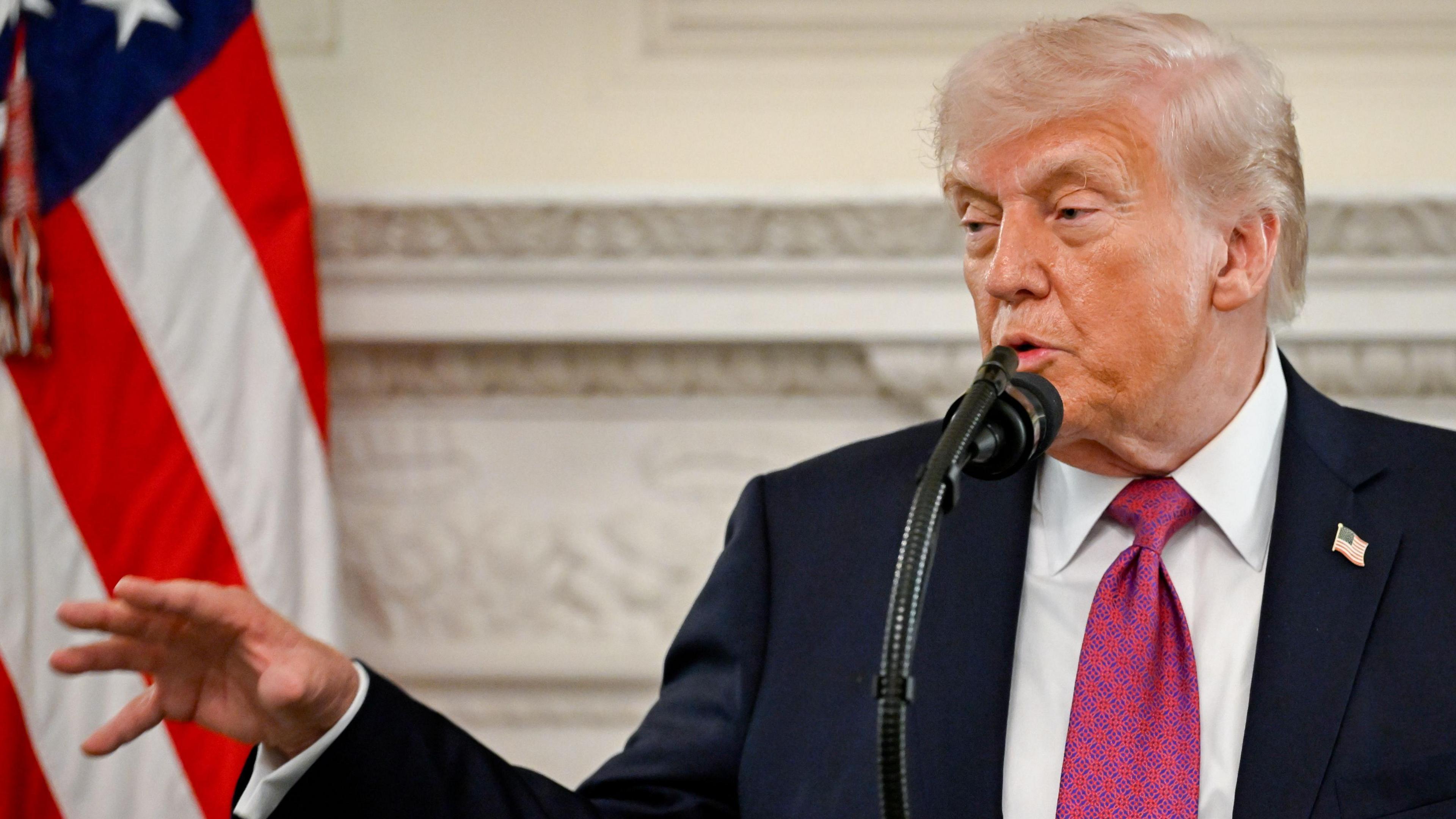
Washington: US President Donald Trump has said he has not yet considered whether he would continue the ceasefire involving Iran, while also claiming the United States holds the advantage in negotiations.
Speaking to reporters, Trump said he was prepared to make a deal with “whoever is running the show” in Iran.
“They are fighting with each other, there’s tremendous infighting. They’re probably fighting for leadership in many cases. I think they’re fighting not to be leader because we knocked out two levels of leaders,” he said.
Trump added, “When they want they can call me. We have all the cards, we’ve won everything.”
Referring to ongoing negotiations, he said, “They gave us a paper that should’ve been better. And, interestingly, immediately when I cancelled it [envoy trip to Pakistan], within 10 minutes we got a new paper that was much better.”
“We talked about they will not have a nuclear weapon, very simple … They offered a lot, but not enough,” he added.
When asked whether he would continue the ceasefire, Trump replied, “I haven’t even thought about it.”
The remarks come as uncertainty remains over the future of the temporary truce and broader negotiations between Washington and Tehran.