Six months after high-profile rollout, Ayushman Bharat struggles to gain ground in Delhi: Report
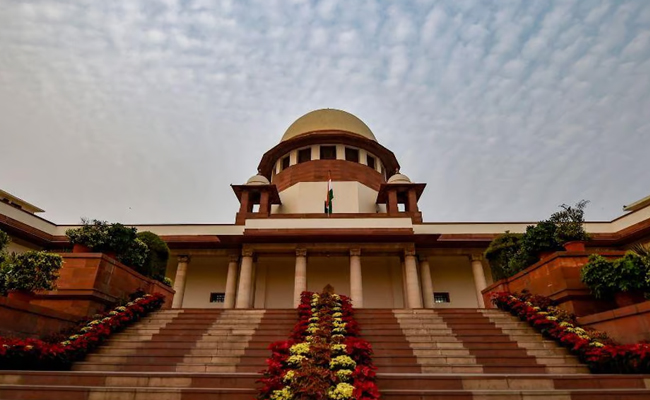
New Delhi: Six months after its much-publicised launch in the national capital, the Ayushman Bharat health insurance scheme is struggling to make an impact.
Despite issuing nearly 5 lakh health cards, only a small percentage of beneficiaries in Delhi have accessed treatment under the scheme. Major private hospitals continue to stay away, citing financial non-viability as a key concern, as reported by The New Indian Express on Monday.
Launched on April 10, the scheme had promised to extend health coverage to Delhi’s poor and vulnerable sections. Senior citizens were among the first to receive Ayushman cards, with the initiative hailed as a significant move toward inclusive healthcare. However, six months on, the ground reality tells a different story.
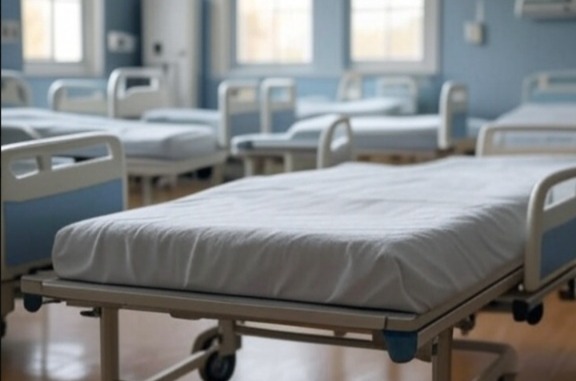
According to official data cited by TNIE, 4,99,230 cards have been issued so far, but only 9,254 patients have received treatment. Out of over 1,200 private hospitals in Delhi, just 166 have enrolled under the scheme. Officials admit that the lack of participation from large corporate hospitals has significantly limited the scheme’s reach.
“One of the biggest roadblocks has been the reluctance of big hospitals to join. The absence of top-tier facilities has hampered outreach, leaving a large section of poor and vulnerable populations waiting for care,” TNIE quoted an official from the State Health Agency overseeing the programme as saying.
Healthcare experts point to structural and financial shortcomings as reasons for the scheme's slow progress. Many hospitals have raised concerns about unviable treatment package rates and delayed reimbursements.
The Association of Healthcare Providers of India (AHPI), representing numerous private hospitals, has urged the government to revise the scheme’s terms. Among its demands is a clause mandating 1% interest on payments delayed beyond 30 days, to promote timely reimbursement and accountability.
Additionally, officials admit that the scheme's limited disease coverage is another hurdle, added the report. Currently, only 136 medical conditions are covered under Ayushman Bharat—far fewer than the number of conditions commonly treated in hospitals.
Let the Truth be known. If you read VB and like VB, please be a VB Supporter and Help us deliver the Truth to one and all.
UP: Teen girl found hanging from tree; locals claim rape, murder
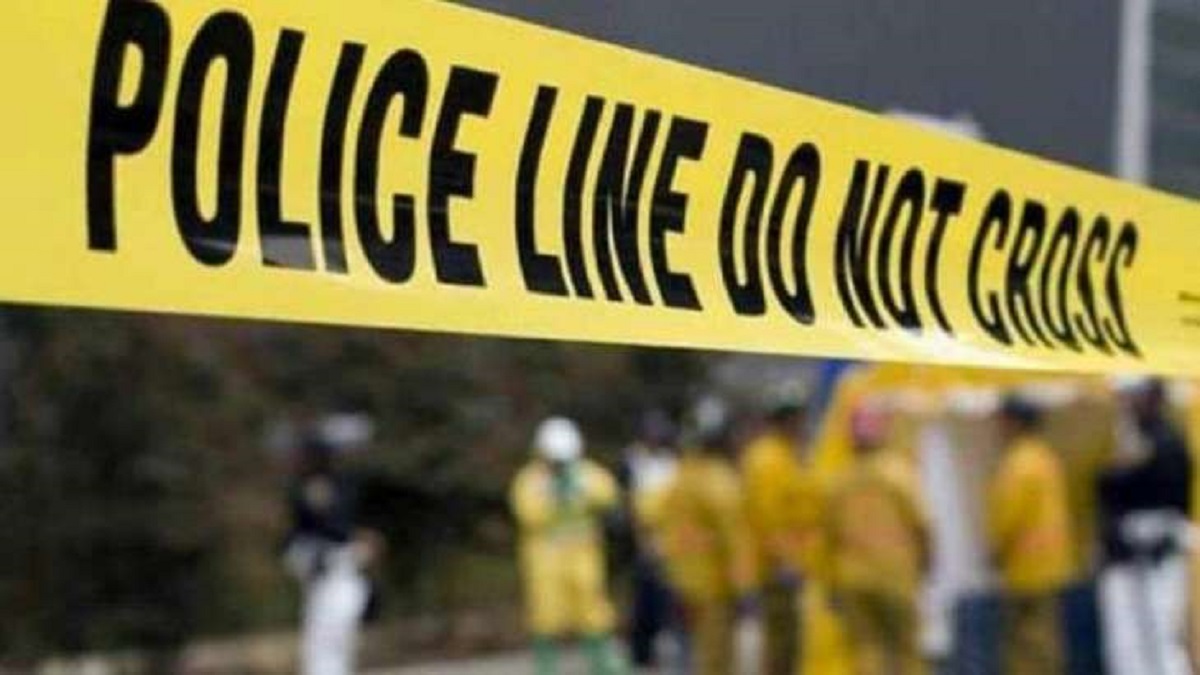
Pratapgarh (UP) (PTI): The body of a 19-year-old woman was found hanging from a tree in a village under the Manikpur police station area here on Sunday morning, police said.
According to the police, the woman had gone to sleep after dinner on Saturday night but was found hanging in an orchard nearly 400 metres away from her home the following morning.
Additional Superintendent of Police (West), Brijnandan Rai, stated that the circumstances suggest foul play.
"The victim's slippers and undergarments were recovered 50 metres away from the spot where the body was found. There are visible injury marks on her body," Rai said.
While locals have alleged that the woman was murdered after being raped, the ASP said that it is "prima facie a case of murder."
"Based on the complaint filed by the victim's brother, a case of murder has been registered against unidentified persons. The body has been sent for a post-mortem examination," the officer added.
Police further clarified that if the medical report confirms sexual assault, relevant sections will be added to the FIR.
Forensic experts and police teams have collected evidence from the spot and are investigating the matter from all angles.