Small intestine infected by black fungus found in patients at Delhi hospital, doctors say 'rare'
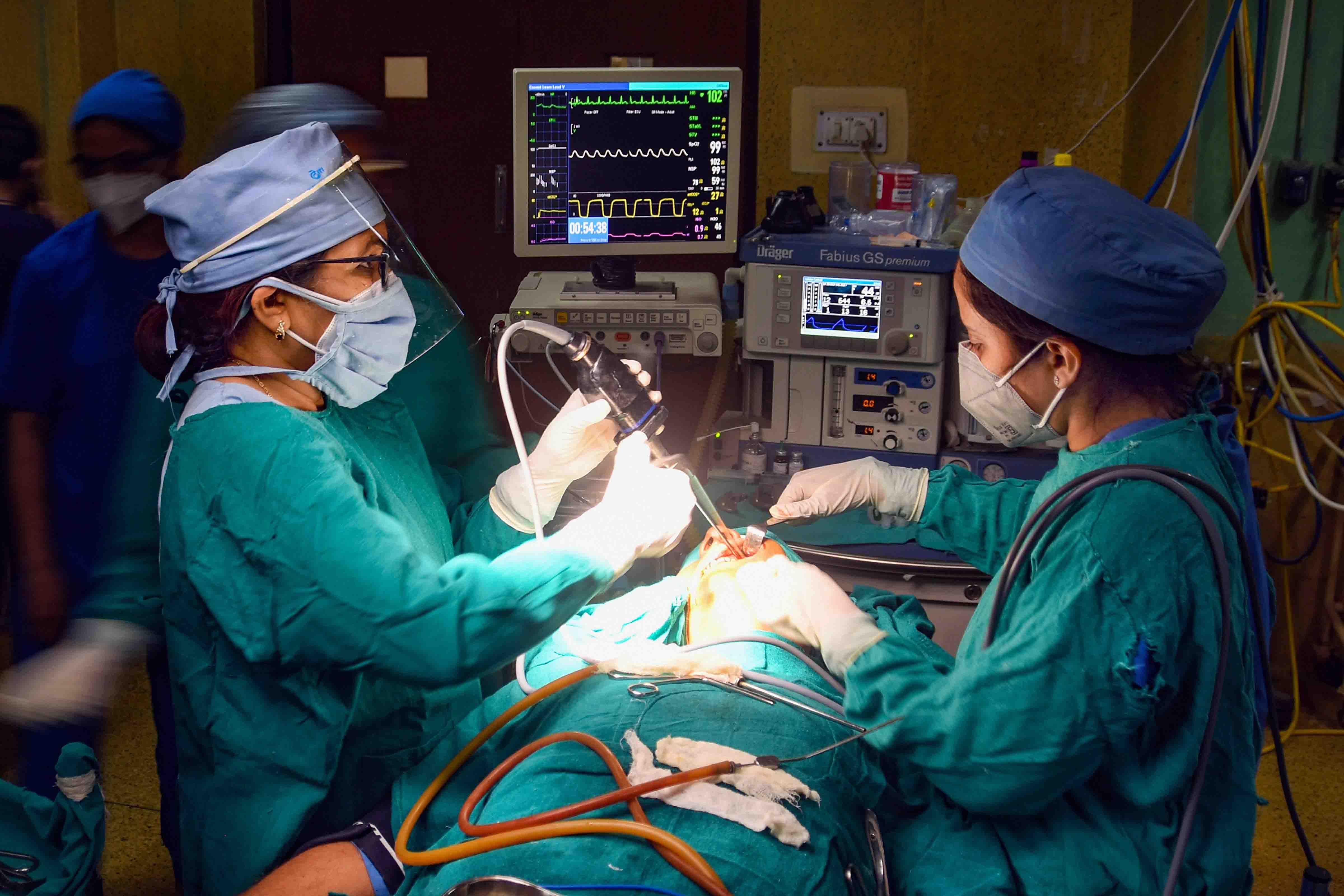
New Delhi, May 22: Two patients at a leading private facility here, both of whom had tested positive for COVID-19, were diagnosed with Mucormycosis in the small intestine, which the doctors termed as "rare" cases.
Mucormycosis or black fungus, most commonly involves rhino-orbital-cerebral system or the lungs. Intestinal or GI mucormycosis is very "rare disease", and most commonly involves stomach or large intestine, according to doctors at the Sir Ganga Ram Hospital here.
A 56-year-old Delhi resident, who had lost three of his family members including his wife to COVID, had barely completed the last rites of his wife when he experienced pain in his abdomen. He had tested positive for coronavirus along with his wife and had been experiencing mild symptoms initially, the hospital said in a statement.
His abdominal pain was considered gastritis or stress-related and self-medication for acidity was done, which delayed proper treatment by three days, it said.
He was finally evaluated in the COVID emergency of Sir Ganga Ram Hospital by Dr Ushast Dhir, senior consultant in the department of Surgical Gastroenterology and Liver Transplantation, it said.
The CT scan revealed that the first part of his small intestine or jejunum had perforated. His COVID ailment also had worsened by now requiring ventilator support. The patient was admitted and taken up urgently for surgery, hospital authorities said.
"Ulceration of jejunum in the patient raised my suspicion of fungal disease, and the patient was immediately started on anti-fungal treatment. We sent the portion of removed intestine for biopsy," the doctor said.
In another case, a 68-year-old man, who was happy to know that his father had recovered from COVID-19, started having mild abdominal pain. He was a diabetic and had received steroids for treatment of COVID. The patient had no associated fever and pain was very mild. His clinical examination also did not show any signs of intestinal perforation, the statement said.
But, high index of suspicion lead Dr Piyush Ranjan, senior consultant of medical gastroenterology at Sir Ganga Ram Hospital, to get an urgent CT scan of the patient. The CT scan revealed small intestinal perforation similar to the first one, it added.
"The biopsy confirmed our worst fear of mucormycosis of small intestine in both patients. Both these patients had COVID and had diabetes, but only one of them had received steroids," the hospital said in the statement.
Both these patients were operated by Dhir, who revealed that these patient had "similar intra-operative findings" where jejunum had out-pouchings called diverticula and these diverticula had perforated along with surrounding ulceration, it said.
"These patients, in majority, are immune-compromised. Majority of gastro-intestinal mucormycosis is seen in organ transplant recipients. The cases treated at Sir Ganga Ram Hospital were unique as they had Covid and small intestine (instead of stomach/colon) was involved in both cases," the statement said.
GI mucormycosis is rare and the patient presents with vague abdominal symptoms. In recent times, history of COVID-19 exposure along with treatment with steroids should warrant an early CT scan of abdomen, doctors said.
Over 60 cases of black fungus have been reported at Sir Ganga Ram Hospital till date, amid the second wave of the pandemic, a senior official said.
Let the Truth be known. If you read VB and like VB, please be a VB Supporter and Help us deliver the Truth to one and all.
Sujit Nair raises concerns over speculation of DMK-AIADMK understanding to block TVK
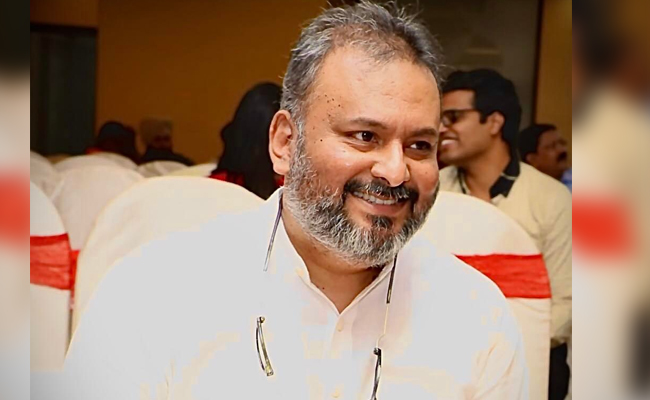
Chennai: Journalist and political commentator Sujit Nair has expressed concern over speculation that the Dravida Munnetra Kazhagam and the All India Anna Dravida Munnetra Kazhagam could explore a post-poll understanding to prevent Vijay-led Tamilaga Vettri Kazhagam from forming the government in Tamil Nadu.
In a social media post, Sujit Nair said the election verdict in Tamil Nadu reflected a clear public demand for political change and argued that the mandate should be respected irrespective of political preferences.
Referring to reports and political discussions surrounding a possible understanding between the DMK and AIADMK, he said he hoped such developments remained only speculative conversations and did not turn into reality.
Nair stated that if such an alliance were to take shape, it would raise serious questions about ideological politics in the country. He said TVK had emerged through a democratic electoral process and that the legitimacy to govern in a parliamentary democracy comes from the people’s verdict.
According to him, attempts to prevent an electoral winner from forming the government through unexpected political arrangements may be constitutionally valid, but many people could view them as politically opportunistic.
He further said that such a move could particularly affect the political image of the DMK, which has historically projected itself around ideology, social justice and opposition politics. Nair said that in ideological terms, the DMK appeared closer to TVK than to the AIADMK, and joining hands with its long-time political rival only to remain in power could weaken its broader political narrative.
He added that the same questions would apply to the AIADMK as well, as the party had spent decades positioning itself against the DMK and such an arrangement could create discomfort among its cadre and supporters.
Drawing a comparison with Maharashtra politics in 2019, Nair said he had expressed similar views when the Shiv Sena formed an alliance with the Indian National Congress and the Nationalist Congress Party after the Assembly elections.
He said post-poll alliances between long-standing political rivals often create a public perception that ideology and electoral mandates become secondary when political power equations come into play.
Nair also said such developments increase public cynicism towards politics and reinforce the belief among voters that ideology is often sidelined after elections.
He maintained that the Tamil Nadu verdict was emphatic and said respecting both the spirit and substance of the mandate was important for the credibility of democratic politics.