Some hotels switch to alternative methods to cook; panic buying of fuel subsides
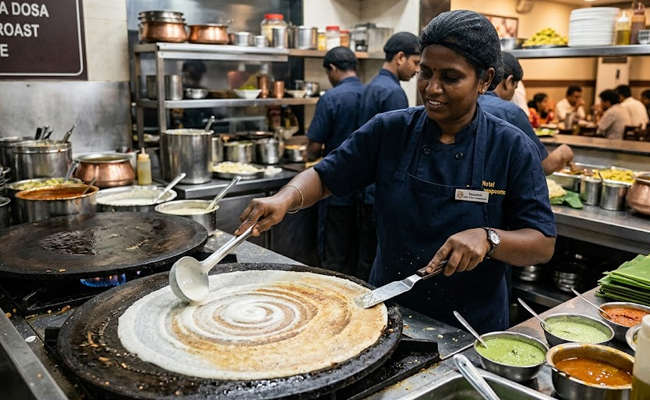
Chennai (PTI): A section of hotels and restaurants operating in Chennai and parts of Tamil Nadu have commenced using alternative methods to keep the business running in view of the commercial LPG shortage, officials said.
Some of the alternative methods of cooking that hoteliers said they were adopting include induction stoves and firewood. They said they adopt these methods in addition to the tweaking of menus in order to minimise LPG usage.
A top official of a city-based popular restaurant chain told PTI, "We have moved to using induction stoves. Most of our branches are using this facility now, as we have adequate infrastructure to prepare the food on the induction stoves".
Asked whether food prices would increase as induction stoves consume electricity, he replied in the negative, stating, "We are not increasing the prices. Currently, we are running our operations instead of shutting down."
A representative of Tamil Nadu Hotels' Association said that since kitchens of most of the hotels are constructed in such a way that they can use only LPG, not firewood.
"Those who have the facility to use firewood or induction may run their business. But most of them do not have that comfort. Second, using firewood also leads to air pollution," the official said.
Meanwhile, industry sources said fuel pumps are slowly getting back to normalcy as people have stopped panic buying of petrol and diesel.
"Over the last two days, there was panic buying, many ignored appeals and stood in queues for more than 2 hours to get their tank filled. Since there was a huge demand, existing stock dried up, and we were forced to shut." Gopi Bhaktavatchalam, an IndianOil dealer in Ashok Nagar in Chennai, told PTI.
"I have been individually appealing to the people not to fall for this panic buying, as it was spreading across the country. We are not Pakistan, where fuel outlets go dry due to a shortage. We are Indians, and our Hon'ble Minister Hardeep Singh Puri had told us that we have adequate reserves for 70 days. Despite such an assurance given by the government, people thronged fuel outlets. As a retail outlet, we were unable to meet the huge demand," he said.
For Saturday, he said the oil major has supplied inventory, and gradually the situation is 'returning to normalcy'. "People have realised that they fell into the trap of panic buying. Situation is returning to normalcy."
He continued: "Yesterday alone, this outlet sold more than 50 per cent higher than our usual daily sales".
Meanwhile, in a notification to fuel pump dealers, IndianOil Corporation directed its fuel outlets to avoid filling petrol and diesel in "bottles and containers."
"Under the Petroleum Act of 1934, Retail Outlets are typically only licensed to dispense fuel directly into vehicle tanks or approved specialised containers. Selling in loose bottles is a violation that can lead to serious violations and endanger public safety," the notification said.
Plastic bottles and other containers can be dissolved or made brittle by petrol, leading to leaks, spills and dangerous chemical reactions, it said. "Guidelines and restrictions are also in place to prevent the misuse of fuel for antisocial activities or criminal acts," it added.
Let the Truth be known. If you read VB and like VB, please be a VB Supporter and Help us deliver the Truth to one and all.
Case registered over social media posts 'threatening' Kerala CM’s security officer
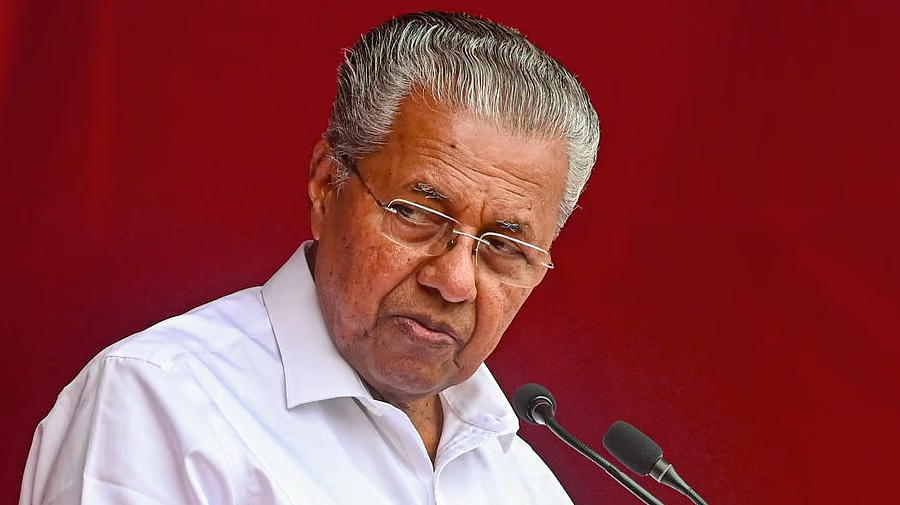
Thiruvananthapuram (PTI): A case has been registered and a probe launched into social media posts allegedly threatening a member of Chief Minister Pinarayi Vijayan’s security team with consequences once the UDF comes to power, officials said on Sunday.
The Thiruvananthapuram City Cyber Police registered the case based on a complaint filed by Chief Minister’s security staff member Sandeep Sasidharan.
The Congress had earlier alleged that Sandeep and another officer, Anil Kumar, brutally assaulted two Youth Congress-KSU activists including using flower pot when they protested against the Chief Minister during the Navakerala Sadas programme in Alappuzha in 2023.
A subsequent probe was conducted against both officers, and the Crime Branch later gave them a clean chit.
Recently, following the conclusion of the state assembly election on April 9, several social media posts allegedly made by Congress, Youth Congress and KSU activists claimed that revenge would be taken once the LDF government is removed and the UDF comes to power.
Police said cases have been registered against Facebook accounts named Arun Rajendran, Tom Kuriakose, Yaser KP, Sony Panamthanam, Sarath Pillai, KSU Kanjiramkulam, Rahul John C and Youth Congress Battle.
According to the FIR, the complainant’s photograph and name were used in several social media posts threatening him with consequences and containing abusive language.
Police said the social media account holders have been identified and will soon be summoned as part of the investigation.
The case has been registered under Sections 296(b) (uttering obscene words causing public annoyance), 351(2) (criminal intimidation), and 3(5) (acts done by several persons) of the Bharatiya Nyaya Sanhita.