Son of dismissed BSF jawan Tej Bahadur Yadav, who complained about bad food, found dead
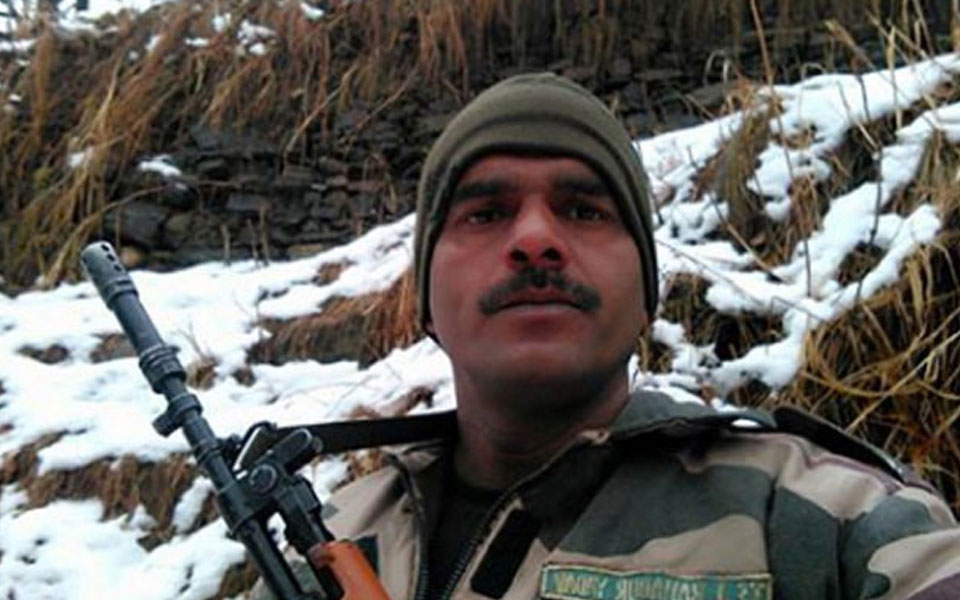
NEW DELHI: The son of a Border Security Force (BSF) constable dismissed from service for posting videos criticising the quality of food served to soldiers has been found dead at their home in Haryana's Rewari.
Sacked BSF constable Tej Bahadur Yadav's 22-year-old son Rohit was found in a locked room of the family's home with a gun in his hands. The police say the family called to report a suicide.
"We received a call that Rohit has committed suicide. At the crime spot, we discovered that the room was locked from inside. The body was lying on the bed. There was a pistol in his hands," said a police officer.
Tej Bahadur Yadav was away at Prayagraj in Uttar Pradesh for the Kumbha Mela, said the police. "We have informed him," the officer said.
In 2017, the BSF had set up a court of inquiry against Tej Pratap Yadav after his videos carping about poor food -- "watery dal and burnt chapatis" -- served to the troops on the frontlines surfaced online. His videos went so viral that the home ministry ordered an investigation and even the Prime Minister's Office asked for a report.
Yadav was shifted out of the Line of Control as the controversy escalated, and later dismissed on charges of making false claims. Alleging persecution, Yadav also put out a video complaining that the authorities hadn't really probed his allegations.
Nearly a year later in April last, the BSF commissioned an assessment by the Defence Research and Development Organisation of meals served to jawans and officers of the paramilitary force.
courtesy : ndtv.com
Let the Truth be known. If you read VB and like VB, please be a VB Supporter and Help us deliver the Truth to one and all.
Rickelton's ton in vain as SRH beat MI by 6 wickets
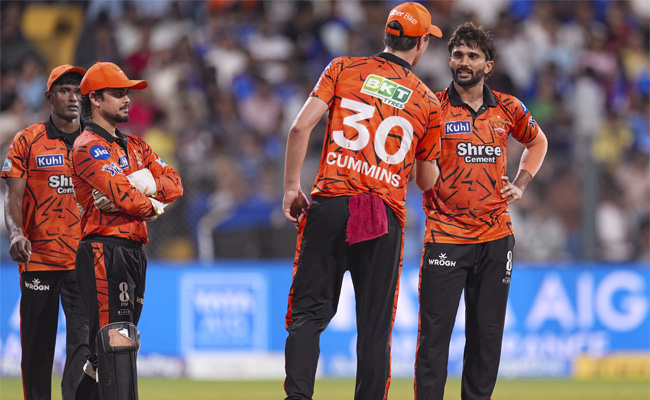
Mumbai (PTI): Ryan Rickelton's whirlwind unbeaten ton was overshadowed by Heinrich Klaasen's unbeaten 65 as Sunrisers Hyderabad defeated Mumbai Indians by six wickets in an IPL match here on Wednesday.
Chasing an imposing 244-run target, Travis Head (76 off 30) and Abhishek Sharma (45 off 24) shared 129 runs for the opening wicket to set the platform for SRH.
Klaasen (65 not out off 30 balls) then displayed his all-round hitting abilities to guide SRH home with the help of Nitish Kumar Reddy (21) and Salil Arora (30 not out off 10) in 18.4 overs.
Earlier, Rickelton's knock powered MI to 243 for five.
MI rode on a 93-run stand between Rickelton (123 not out off 55 balls) and Will Jacks (46 off 22) in 7.1 overs for the opening stand to power the side.
MI skipper Hardik Pandya scored a valuable 31 off 15 balls before being dismissed.
Praful Hinge (2/54), Eshan Malinga (1/29), Sakib Hasan (1/39) and Nitish Kumar Reddy (1/31) were the wicket-takers for SRH.
Brief Scores:
Mumbai Indian: 243 for 5 in 20 overs (Ryan Rickelton 123 not out; Praful Hinge 2/54).
Sunrisers Hyderabad: 249 for 4 in 18.4 overs (Travis Head 76, Heinrich Klaasen 65 not out; AM Ghazanfar 2/51).