Stalin urges CMs of non-BJP ruled states to oppose Presidential reference in SC
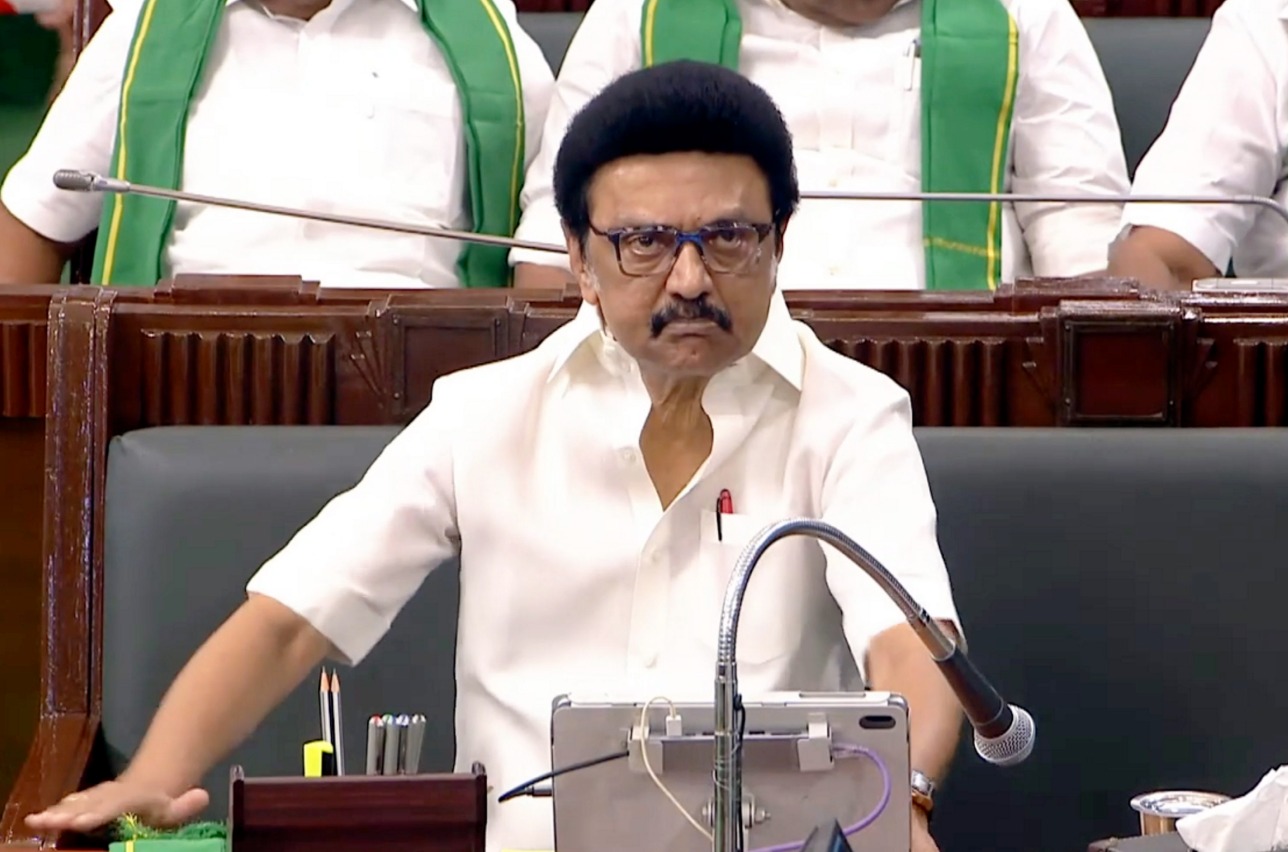
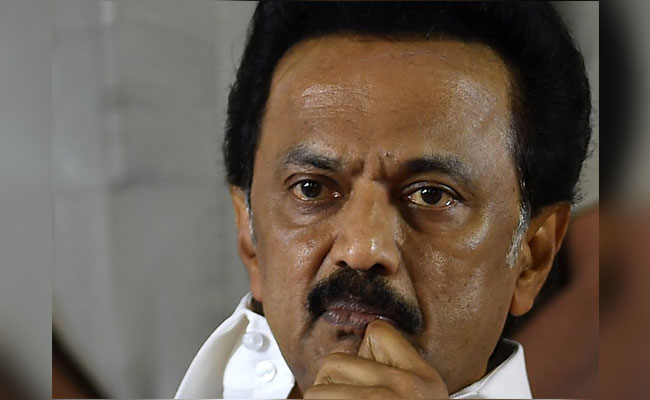
Chennai(PTI): Tamil Nadu Chief Minister M K Stalin on Sunday urged his counterparts in 8 states, including West Bengal, to oppose the Presidential reference to Supreme Court on deadlines for the President, Governor over Bills and batted for a coordinated legal strategy.
Stalin, president of the Tamil Nadu's ruling DMK said, it is well known that the advisory jurisdiction of the Supreme Court cannot be invoked or exercised when the issue in question has already been decided by an authoritative pronouncement of the court.
"Yet, the BJP government has pressed ahead with seeking a reference, which points to their sinister intent," he alleged.
He requested the chief ministers of non-BJP ruled states to oppose this reference sought by the President before the Supreme Court.
Writing to them, in a letter dated May 17, he said: "We must evolve a coordinated legal strategy before the court and present a united front to preserve and protect the basic structure of the Constitution, as upheld by our Supreme Court in its historic judgement (State of Tamil Nadu vs Governor of Tamil Nadu). I look forward to your immediate and personal intervention in this vital issue."
Besides West Bengal, Stalin wrote to the chief ministers of Karnataka, Himachal Pradesh, Telangana, Kerala, Jharkhand, Punjab and Jammu and Kashmir.
The Tamil Nadu chief minister said President Droupadi Murmu, under the advice of the Union government, posed the Supreme Court 14 questions, under Article 143 of the Constitution on 13 May, 2025.
Though the reference does not specifically refer to any state or judgement, its intent is to question the findings on law and interpretation of the Constitution given by the Supreme Court in the case of State of Tamil Nadu vs Governor of Tamil Nadu. This historic judgement is not only for Tamil Nadu but for all states since it upholds the federal structure and distribution of powers between the States and the Union, thus effectively preventing the obstruction of legislations enacted by democratically elected state legislatures by an appointee of the union and an unelected figurehead - the governor.
BJP-led union government has used governors to obstruct and impede functioning of opposition ruled states. They inordinately delay assent to Bills, withhold assent without valid constitutional or legal reasons, sit over routine files and government orders sent for signature, interfere in appointments to important posts and have abused their position as chancellor of universities to politicise educational institutions.
"They have been able to do so by taking advantage of the fact that the Constitution is silent on certain issues, because the framers of the Constitution trusted that those holding high constitutional office would act in accordance with constitutional morality." It was in this context that the Supreme Court passed the landmark judgement in the TN Governor's case.
"Now this judgement will ensure that the Union Government does not unduly interfere with the State Governments performing our roles and responsibilities within the spheres given to us under the Constitution."
Obviously, the BJP is attempting to unsettle this judgement, which can be invoked as a precedent by other states when faced with an obstinate governor. The BJP government advised the President to seek a reference before the Supreme Court and it was a ploy, Stalin alleged.
Let the Truth be known. If you read VB and like VB, please be a VB Supporter and Help us deliver the Truth to one and all.
Iran’s Fars reports missiles hit US warship near Hormuz after it ignored warnings from IRGC
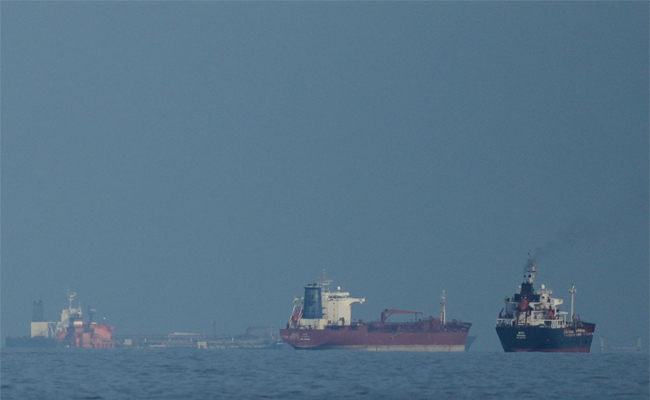
Tehran/Washington: Iran’s Fars News Agency has reported that two missiles struck a US Navy vessel near Jask in the Strait of Hormuz, citing local sources.
According to the report, the vessel was hit after it allegedly ignored warnings from the Islamic Revolutionary Guard Corps (IRGC) to halt.
There has been no official confirmation from US authorities on the reported incident so far.
The development comes shortly after US President Donald Trump said Washington would begin “Project Freedom” to guide stranded ships through the Strait of Hormuz.
US Central Command said the operation would involve 15,000 military personnel along with more than 100 land- and sea-based aircraft, warships and drones.
Further details about the reported strike and any damage or casualties remain unclear.