Stop misleading advertisements or face Rs 1 crore cost for false cure claims: SC to Patanjali
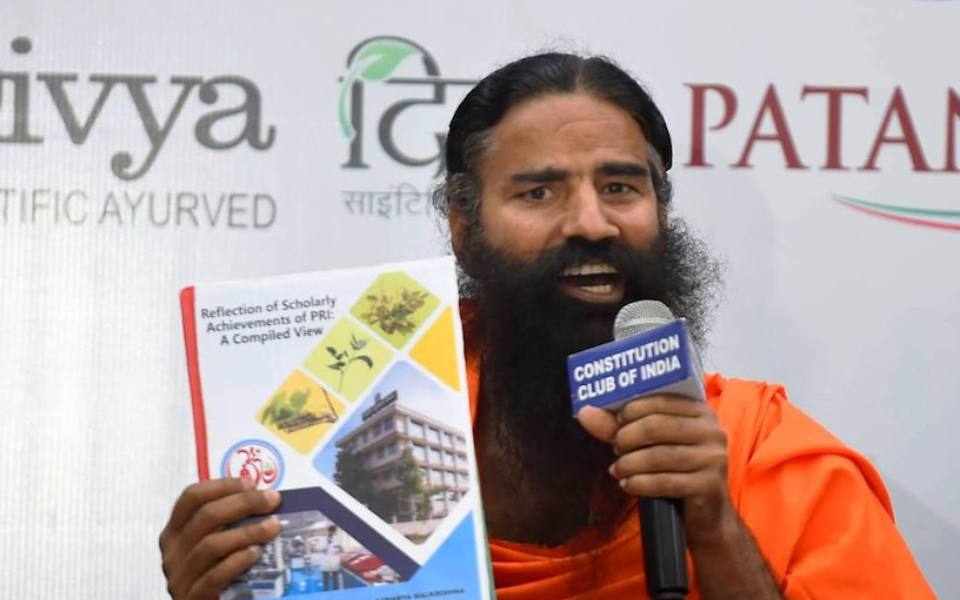
New Delhi, Nov 21: The Supreme Court Tuesday cautioned Patanjali Ayurved, a company co-founded by yoga guru Ramdev and dealing in herbal products, against making "false" and "misleading" claims in advertisements about its medicines as cure of several diseases.
"All such false and misleading advertisements of Patanjali Ayurved have to stop immediately. The court will take any such infraction very seriously...," a bench comprising justices Ahsanuddin Amanullah and Prashant Kumar Mishra orally observed while hearing a plea of the Indian Medical Association (IMA).
The top court, on August 23, 2022, had issued notices to the Union health ministry and Ministry of Ayush and Patanjali Ayurved Ltd, on the plea of the IMA alleging a smear campaign by Ramdev against the vaccination drive and modern medicines.
During the brief hearing, the bench asked Patanjali Ayurved not to publish misleading claims and advertisements against modern systems of medicine.
It said the bench may also consider imposing a fine of Rs 1 crore on every product if a false claim is made that it can cure a particular ailment.
The top court asked the counsel appearing for the Centre to find a remedy to the issue of misleading medical advertisements where claims are being made about medicines that offer perfect cure of certain diseases.
The bench will now take up the plea of IMA for hearing on February 5, next year.
The top court, while issuing notices on the plea, had come down heavily on Ramdev for criticising allopathy and allopathic practitioners, saying he needed to be restrained from abusing the doctors and other systems of treatment.
"What happened to this Guru Swami Ramdev Baba?... Ultimately we respect him as he popularised yoga. We all go for this. But, he should not criticise the other system. What is the guarantee that Ayurveda whatever system he is following will work? You see the type of advertisements accusing all the doctors as if they are killers or something. Huge advertisements (have been given)," the bench headed by the then CJI N V Ramana, since retired, had said.
IMA had referred to several advertisements which allegedly projected the allopath and the doctors in poor light, saying that "disparaging" statements have also been made by firms, engaged in the production of ayurvedic medicines, to mislead the general public.
These commercials say that the medical practitioners themselves are dying despite taking modern medicines, the counsel for the IMA had said.
IMA had said that a concerted effort was being made to discourage the vaccinations, including the COVID-19 jab drive, and the use of allopathic medicines in the country.
Let the Truth be known. If you read VB and like VB, please be a VB Supporter and Help us deliver the Truth to one and all.
Bengaluru: KAS officer, driver caught in Rs 30 lakh bribe case
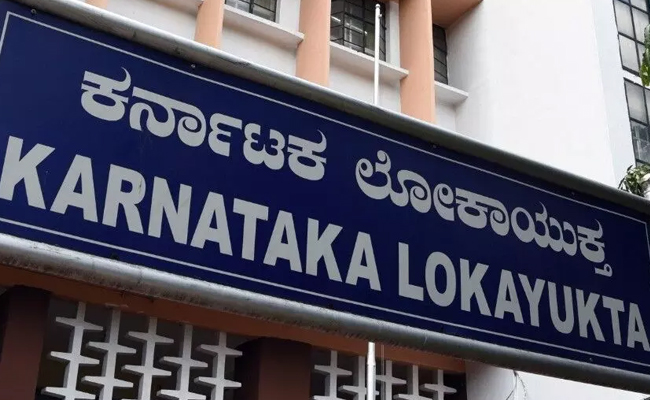
Bengaluru: Lokayukta police have arrested a KAS officer and his driver for allegedly demanding and accepting a Rs 30 lakh bribe to pass a favourable order in a pending RRT case.
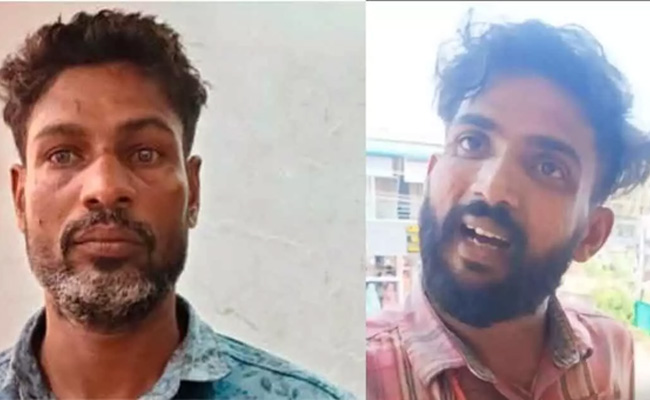
The accused have been identified as Nagaprashanth (KAS), serving as Special Assistant Commissioner (North) and Special Land Acquisition Officer-1, KIADB, and Kumar, a driver associated with his office, Deccan Herald reported.
Based on a complaint by Ravi Kumar, a resident of Attur in Yelahanka, Lokayukta team laid a trap.
According to investigators, the accused had demanded Rs 30 lakh, of which Rs 15 lakh was allegedly collected earlier by the driver on the officer’s instructions.
On Wednesday, the driver was caught red-handed while accepting the remaining Rs 15 lakh, leading to the arrest of both him and the officer.
Both accused have been taken into custody, and further investigation is underway.