Survival of certain Coal India subsidiaries at stake without price hike: Chairman
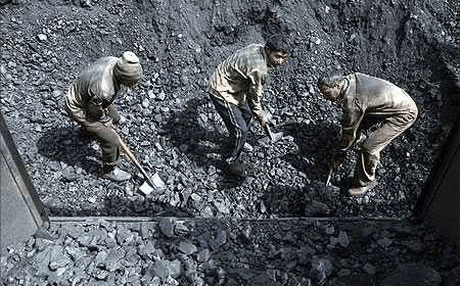
Kolkata, Feb 18: Mining major Coal India has flagged an urgent need for price hike of the dry fuel, contending that without which, certain subsidiaries would find it difficult to survive , company sources said on Friday.
It is also trying to bring stakeholders on board to build a consensus for hiking prices, they said.
In an effort to tide over inflationary pressure, the miner will likely raise prices after the assembly elections in five states, including Uttar Pradesh, in March, the sources said.
Every day is critical for me. A price hike has become very urgent. For certain subsidiaries, survival depends on it, Coal India Chairman Pramod Agrawal is understood to have told investors on Thursday, they said.
Agrawal, however, did not disclose the name of the subsidiaries.
Global coal prices have been on the higher side, which has led to greater demand for the dry fuel from domestic sources.
He also said wage negotiations are expected to be completed in 2022-23.
The mining behemoth is facing huge cost pressure from proposed wage hikes and fuel costs, the sources said.
In the second quarter of the current fiscal, higher diesel prices had resulted in cost inflation by around Rs 700 crore, the chairman had said earlier.
Let the Truth be known. If you read VB and like VB, please be a VB Supporter and Help us deliver the Truth to one and all.
Congress using hijab issue to pacify minority anger, alleges Karnataka LoP R Ashoka
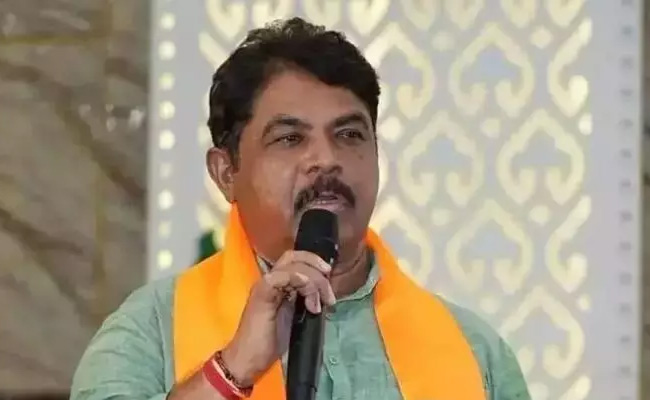
Bengaluru: Leader of Opposition in the Assembly R. Ashoka has accused the Congress government of using the hijab issue to placate what he described as discontent among minority voters after the Davanagere by-election.
In a post on X on Wednesday, Ashoka alleged that the state government, instead of addressing issues such as price rise, corruption, farmers’ distress and law and order, was attempting to retain its minority vote base by reviving the hijab issue.
Referring to the 2022 dress code introduced by the BJP government, which prohibited hijab in schools and colleges, Ashoka said the Karnataka High Court had upheld the policy and emphasised the importance of discipline in educational institutions.
He questioned the Congress government’s move to revisit the issue and asked whether setting aside the court-backed policy to benefit one community could be described as secularism.
Ashoka further alleged that while the government was willing to permit hijab, it continued to prohibit saffron shawls.
He accused the government of dividing students on religious lines rather than treating schools and colleges as spaces of equality.
Drawing a comparison with Mamata Banerjee’s government in West Bengal, Ashoka claimed that excessive appeasement politics had harmed the state and warned that the Congress in Karnataka could face a similar political response.
He said voters in Karnataka would teach the Congress a lesson for what he termed “vote-bank politics” and for compromising constitutional and judicial principles.