Sushma Swaraj's daughter Bansuri Swaraj appointed co-convener of Delhi BJP's legal cell
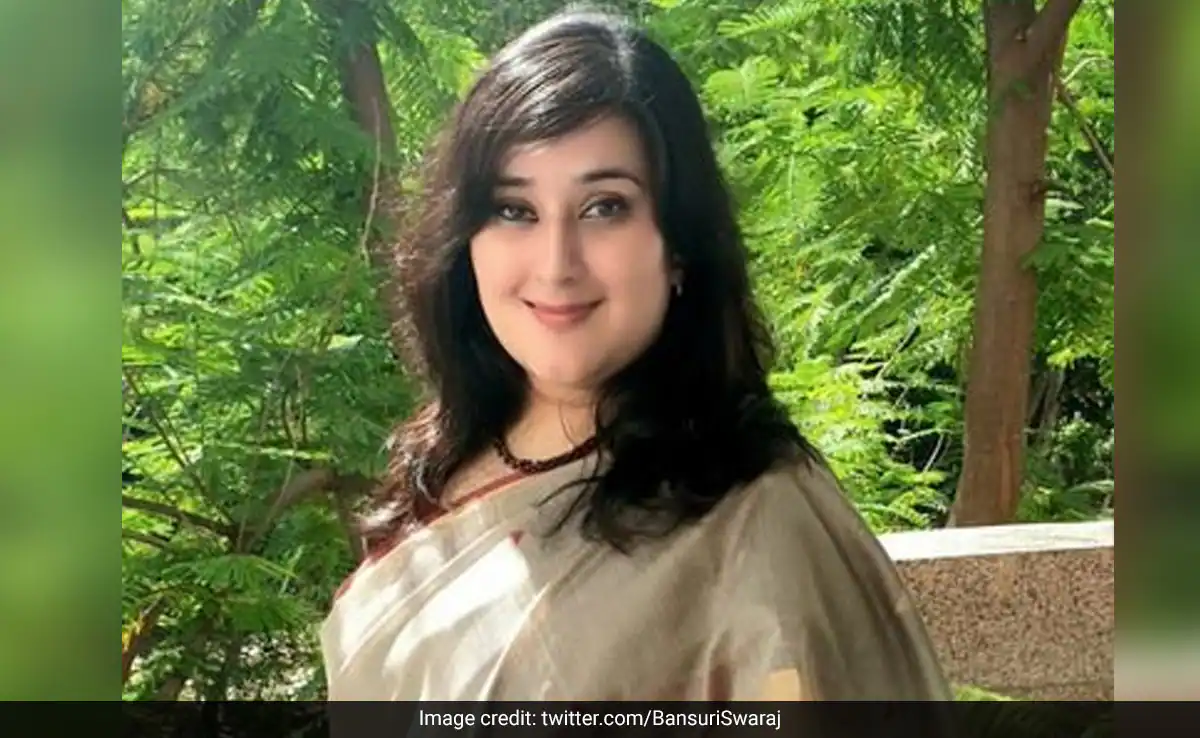
New Delhi, Mar 27: Bansuri Swaraj, the daughter of late Sushma Swaraj, has been appointed as co-convener of the legal cell of Delhi BJP, paving her entry into active politics.
Swaraj practices law in the Supreme Court.
Delhi BJP chief Virendra Sachdeva, in his first appointment in the state unit after taking over as full-time state president, appointed Swaraj as co-convener of the legal cell.
In a letter issued on Friday, Sachdeva said that Swaraj's appointment would come into force with immediate effect and hoped that she would strengthen the BJP.
Swaraj said she has been helping the party in legal matters earlier as well.
"It is just that I have been formally given an opportunity to serve the party more actively in the capacity as a legal department co-convener of the Delhi BJP," she told PTI.
Swaraj thanked Prime Minister Narendra Modi and top BJP leaders for her appointment.
"I am grateful to the Hon'ble PM Narendra Modi ji, Amit Shah ji, J P Nadda ji, B L Santhosh, Virendra Sachdeva, @BJP4Delh and @BJP4India for giving me this opportunity to serve the party as the state co-convenor of the Bharatiya Janata Party Delhi State Legal Cell," she said in a tweet.
Swaraj enrolled with the Bar Council of Delhi in 2007 and has 16 years of experience in the legal profession, according to a statement from Delhi BJP.
After her undergraduate studies from the University of Warwick with a BA (Hons) in English Literature, she went on to study Law at BPP Law School in London. She qualified as a Barrister at Law and was called to the bar from the Inn of Inner Temple, London. Thereafter, she completed her Masters of Studies from St Catherine's College at the University of Oxford, it said.
Let the Truth be known. If you read VB and like VB, please be a VB Supporter and Help us deliver the Truth to one and all.
Trump says he ‘hasn’t even thought about’ continuing Iran ceasefire
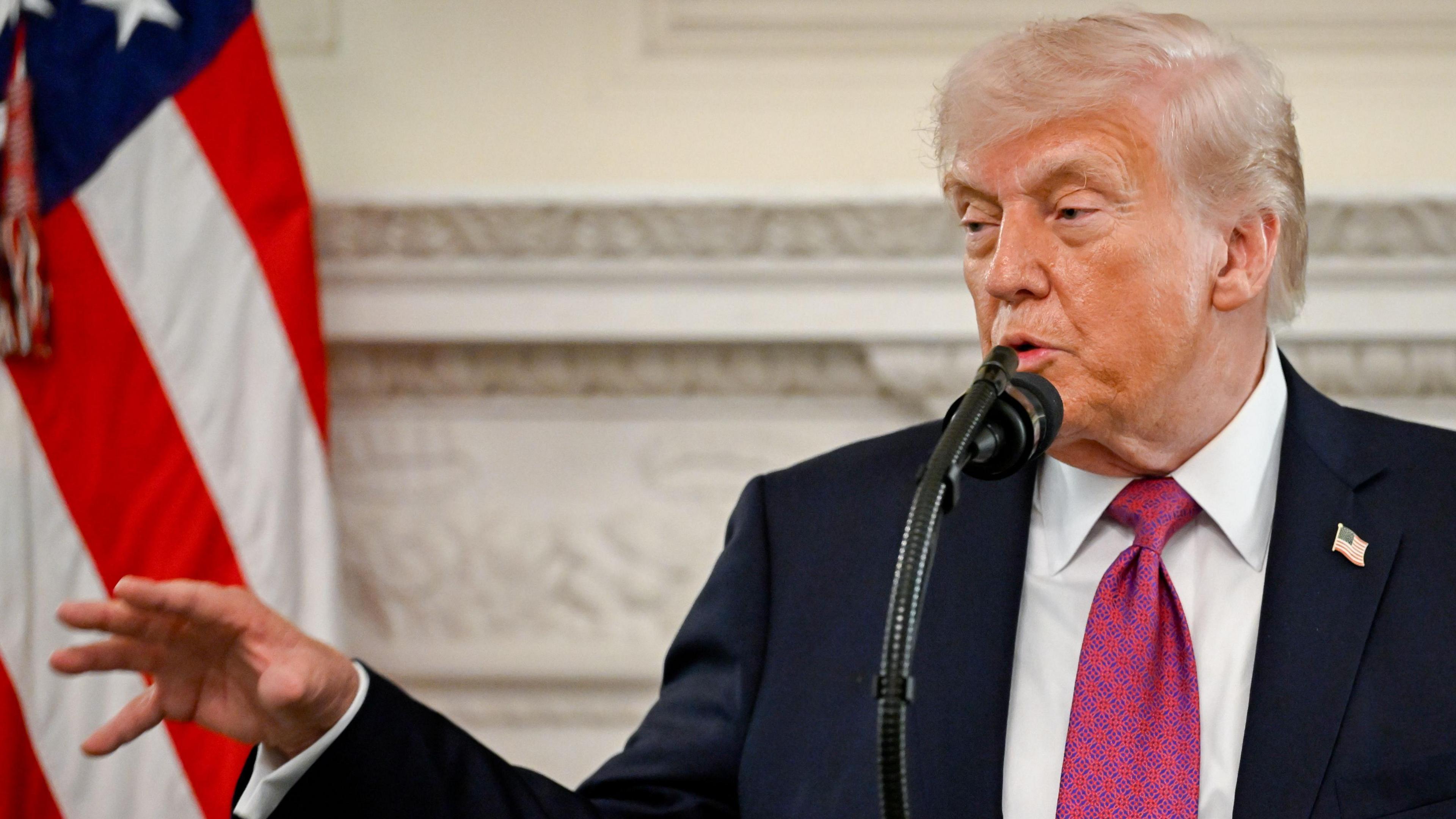
Washington: US President Donald Trump has said he has not yet considered whether he would continue the ceasefire involving Iran, while also claiming the United States holds the advantage in negotiations.
Speaking to reporters, Trump said he was prepared to make a deal with “whoever is running the show” in Iran.
“They are fighting with each other, there’s tremendous infighting. They’re probably fighting for leadership in many cases. I think they’re fighting not to be leader because we knocked out two levels of leaders,” he said.
Trump added, “When they want they can call me. We have all the cards, we’ve won everything.”
Referring to ongoing negotiations, he said, “They gave us a paper that should’ve been better. And, interestingly, immediately when I cancelled it [envoy trip to Pakistan], within 10 minutes we got a new paper that was much better.”
“We talked about they will not have a nuclear weapon, very simple … They offered a lot, but not enough,” he added.
When asked whether he would continue the ceasefire, Trump replied, “I haven’t even thought about it.”
The remarks come as uncertainty remains over the future of the temporary truce and broader negotiations between Washington and Tehran.