Teacher at Vedic school in MP's Ujjain booked for caning student in hostel
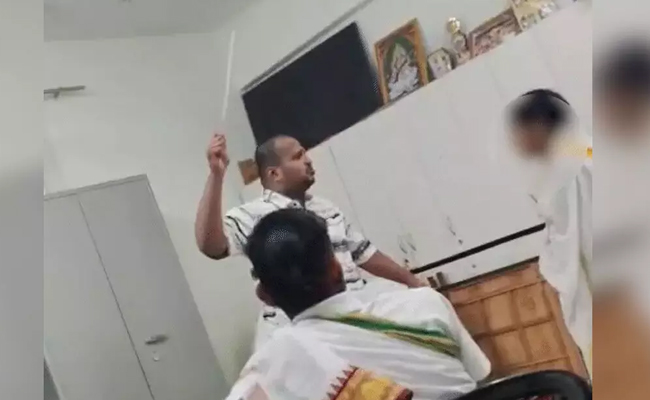
Ujjain (PTI): A teacher at Maharshi Sandipani Ved Vidya Pratishthan in Madhya Pradesh's Ujjain city was booked on Sunday for allegedly beating up a student, a video of which went viral on social media, a police official said.
A case under sections 115 and 296, among others, of Bharatiya Nyaya Sanhita (BNS) was registered against Datt Das Shevde on the complaint of the student, Chintaman police station house officer (SHO) Hemraj Yadav told PTI.
In the video, the teacher can be seen beating up the student with a cane unfazed by the latter's pleading to spare him.
A source said the 51-second clip is from the facility's hostel, adding that the teacher handed down corporal punishment as the student had slept on someone else's bed.
Maharshi Sandipani Rashtriya Veda Vidya Pratishthan (MSRVVP), under the Ministry of Education, runs schools for the preservation, conservation and development of Vedic Studies. It has around 450 institutes across India where students spend seven years studying the Vedas and subjects like Sanskrit, English, Maths and Social Science.
Attempts to get the school management's version were in vain.
Hostel Warden: Dattadas Shevde
— NCMIndia Council For Men Affairs (@NCMIndiaa) March 22, 2026
Maharshi Sandipani Rashtriya Vedavidya Pratishthan
Ujjain, MP
Kind attn @dpradhanbjphttps://t.co/a8QZ2OZ4eD
Let the Truth be known. If you read VB and like VB, please be a VB Supporter and Help us deliver the Truth to one and all.
Lebanon appoints new representative for talks with Israel, rejects linkage to Iran
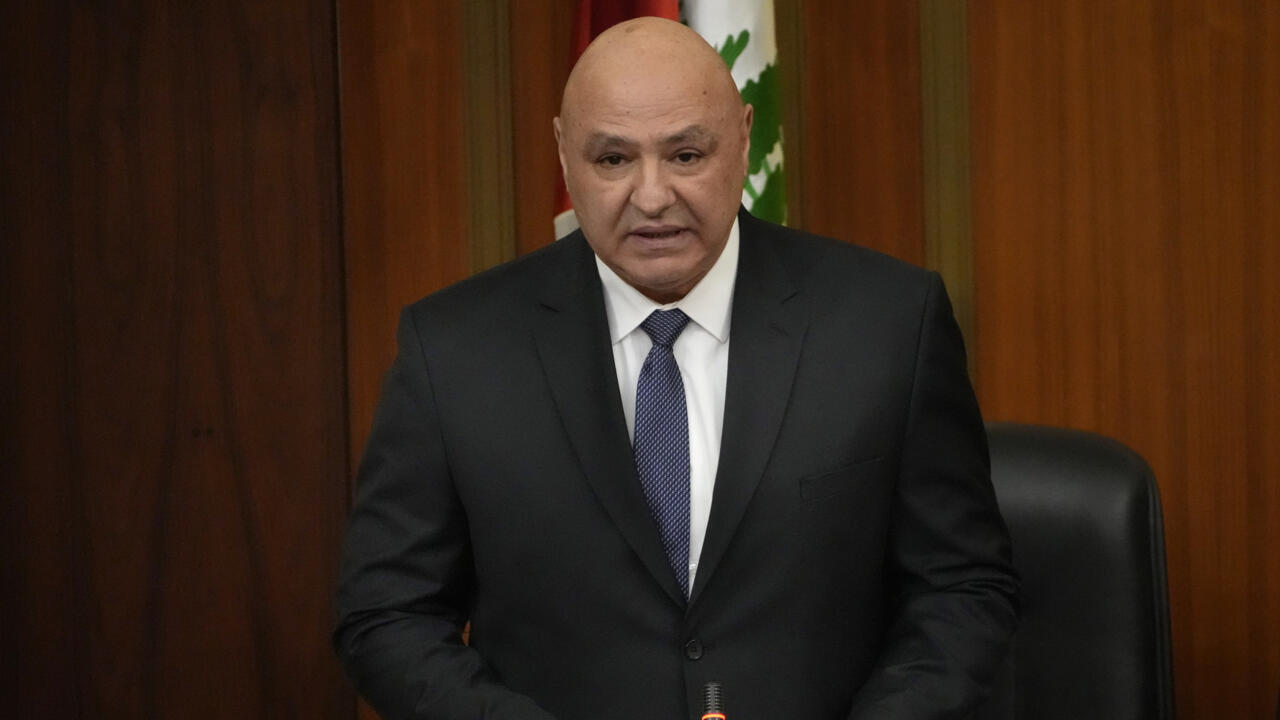
Beirut: Lebanon’s has moved to underline its independent position in ongoing regional developments, amid attempts to link the country to the broader conflict involving Iran, the United States and Israel.
President Joseph Aoun, while announcing the appointment of former US ambassador Simon Karam as Lebanon’s representative in talks with Israel, made it clear that Karam would be the sole representative for Lebanon and that there would be no substitute.
The move comes in response to what the Lebanese officials see as efforts by Iran to tie Lebanon’s situation to the wider regional conflict. Iran had indicated that there would be no ceasefire involving the US, Israel and Iran unless it also included a ceasefire in Lebanon.
Some groups, including Hezbollah and its supporters, had expressed support for linking the situations, citing concerns that the Lebanese government has limited leverage in negotiations with Israel. Lebanon is not formally a party to the conflict, and its army is considered weak.
However, others, including Prime Minister Nawaf Salam, have opposed this approach. They view Iran’s stance as an attempt to influence Lebanon’s internal affairs and see it as undermining the country’s sovereignty.
Officials backing the government’s position say the move is aimed at reaffirming Lebanon’s sovereignty and ensuring that decisions about peace and ceasefire within the country are not dictated externally.
They also see it as a safeguard, so that any breakdown in talks between the US, Israel and Iran does not automatically lead to renewed conflict in Lebanon.