Telcos told to give Aadhaar-exit plan by Oct 15

New Delhi, Oct 1 : The Unique Identification Authority of India (UIDAI) on Monday asked telecom operators to submit a plan to stop the use of Aadhaar for authentication of subscribers.
The Supreme Court last week, while upholding the constitutional validity of the Aadhaar Act, disallowed private entities from possessing the Aadhaar details of customers.
In a letter to the telecom companies, UIDAI said: "TSPs (telecom service providers) are hereby directed to submit by l5th October an action plan/exit plan to the Authority for closure of use of Aadhaar based authentication systems.
"If the Authority does not receive any communication to this effect within the stipulated timeline, the authentication services shall be terminated without any further notice."
The letter accessed by IANS also asked the operators to delink Aadhaar from mobile numbers when sought by any subscriber and perform KYC (Know Your Customer) procedures afresh using the list of documents approved by the Department of Telecom (DoT).
"All TSPSs shall immediately notify their customers the facility of delinking their Aadhaar number and UID Token from their database and establish a system to accept and process such requests for delinking," it said.
Commenting on the development, Cellular Operators' Authority of India Director General Rajan Mathews said the industry body would talk to the DoT soon to discuss the modalities.
"Once we determine what the order means, then we will obviously work with the DoT, whether the timeframe is feasible or not," he said.
Let the Truth be known. If you read VB and like VB, please be a VB Supporter and Help us deliver the Truth to one and all.
Will vacate one of two assembly seats won in 10 days: BJP''s Suvendu
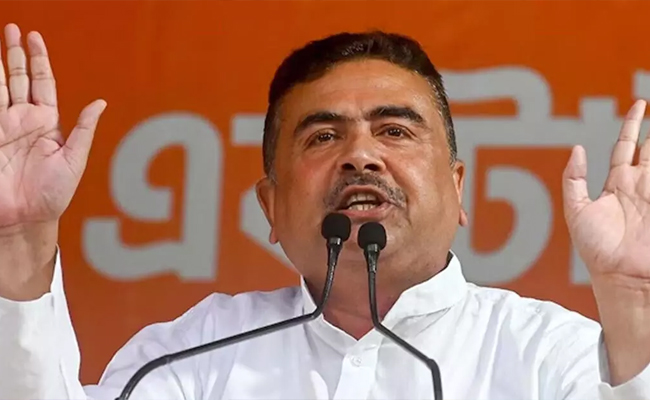
Kolkata (PTI): BJP leader Suvendu Adhikari, who defeated West Bengal Chief Minister Mamata Banerjee in Bhabanipur and secured Nandigram for three times in a row in the recent assembly polls, said on Wednesday that he would vacate one of the two constituencies within 10 days.
Adhikari also asserted that the party's central leadership would decide which constituency he would retain.
"I will vacate one seat within 10 days. The party will decide which one I retain. I will not forget my responsibility towards the people of Bhabanipur and Nandigram," he said.
Adhikari on Monday defeated Banerjee in Bhabanipur by over 15,000 votes, puncturing what was long seen as her safest political refuge and delivering a decisive psychological blow to the TMC, amid a sweeping BJP surge across West Bengal.
Addressing party workers and supporters in Nandigram in Purba Medinipur district, the BJP leader appealed to them not to take out victory processions immediately and instead maintain peace.
"Do not take out victory rallies now. Maintain peace and discipline. Celebrate after May 9, after taking permission," he told party workers.
State BJP president Samik Bhattacharya on Wednesday announced that the oath-taking ceremony of the new government will be held on May 9 at Brigade Parade Ground.
Referring to alleged attacks on BJP workers during the TMC regime, Adhikari said he would not forget the “atrocities" faced by them and assured them of taking appropriate action against perpetrators through legal processes.
"I was part of the 2011 ‘poribartan’ (change), and now I am part of the real change. I offer my gratitude to the people of Nandigram," Adhikari said.
He was referring to the TMC's victory in 2011 when the Mamata Banerjee party dismantled the 34-year Left Front regime in the state.
Adhikari offered prayers at a Hanuman statue in Nandigram and remembered the BJP workers, who had died in political violence.
"We will work in such a way that the BJP government in Bengal stays for 100 years," he said, expressing hope that the BJP’s vote share in the state would rise from the current 46 per cent to 60 per cent in future elections.
The BJP leader also assured residents of Nandigram of improved drinking water supply and better hospital and education infrastructure.