Tension brews between Kerala, TN on overflowing Mullaperiyar Dam
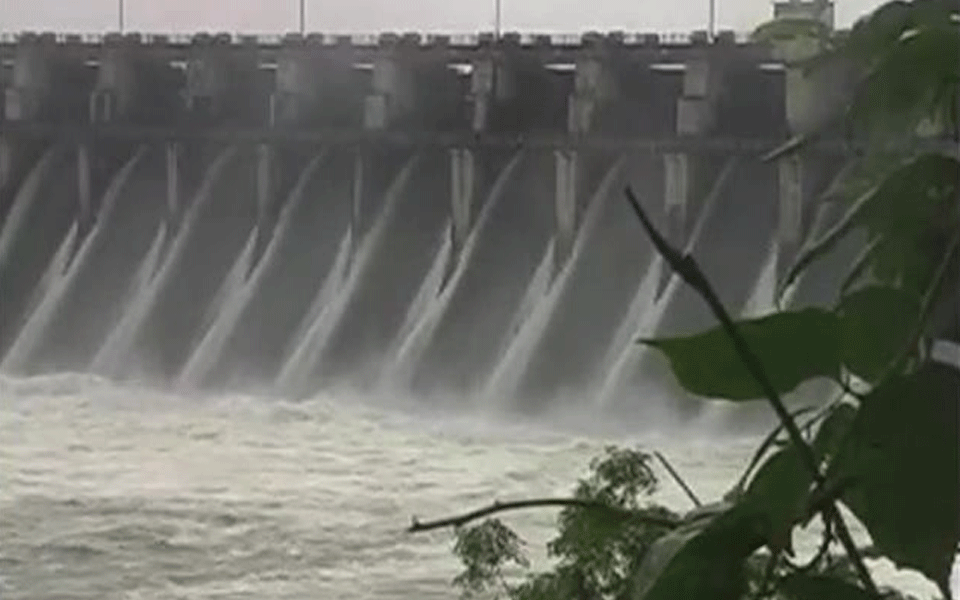
Idukki (Kerala) Aug 15: The contentious Mullaperiyar Dam issue between Kerala and Tamil Nadu, which is now before the Supreme Court following heavy rains over the past week, is likely to trigger fresh tension between the two states.
Although the dam is located in Kerala, it serves and is operated by Tamil Nadu, and Kerala has for long been demanding de-commissioning of the dam which has over the years developed leaks.
On account of the huge rains that hit Idukki in the past one week, in the wee hours of Wednesday around 2.35 a.m, the sluice gates of the dam were opened after the water level touched 142 feet mark.
Incidentally, the route that the water from the Mullaperiyar Dam takes reaches the catchment area of the Idukki dam, which is also overflowing currently.
Tamil Nadu has all along maintained that the dam is safe, and a Supreme Court directive in May 2014 allowed the state to increase the water level from 136 feet to a maximum of 142 feet.
Kerala and Tamil Nadu have been at loggerheads over the dam, built under an 1886 accord between the then Maharaja of Travancore and the erstwhile British regime.
With the ongoing downpour in and around Idukki dam, there is anxiety over the way Tamil Nadu would handle the water level in the dam, as they use the waters of the dam using large penstock pipes for irrigating their farmland.
Reports have surfaced that Tamil Nadu has now reduced its offtake to prove a point that the dam is safe and the water level in the dam could be raised further to 152 feet.
After a review meeting on Wednesday, Chief Minister Pinarayi Vijayan told the media now that the water level in the dam has touched 142 feet, he would soon speak to his counterpart in Tamil Nadu and also to the Centre to appraise them of the gravity of the situation.
Anxious people living around the dam and downstream reacted sharply to the way things are being handled and wished that this is the time that the Supervisory Committee of the apex court should make a visit to the dam site and see for themselves that danger lurks here.
Let the Truth be known. If you read VB and like VB, please be a VB Supporter and Help us deliver the Truth to one and all.
TN polls: TVK pushes DMK behind with leads in 83 seats, AIADMK ahead in 54
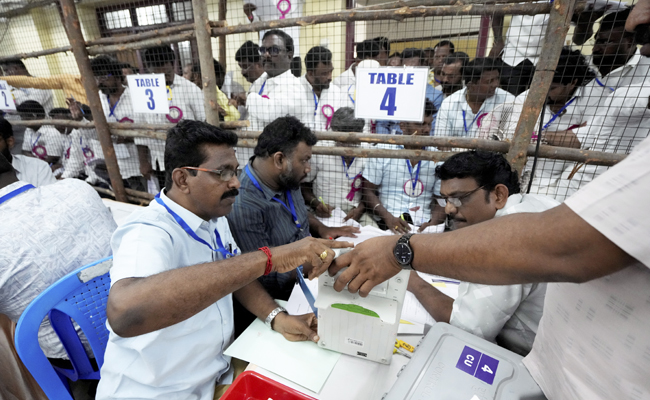
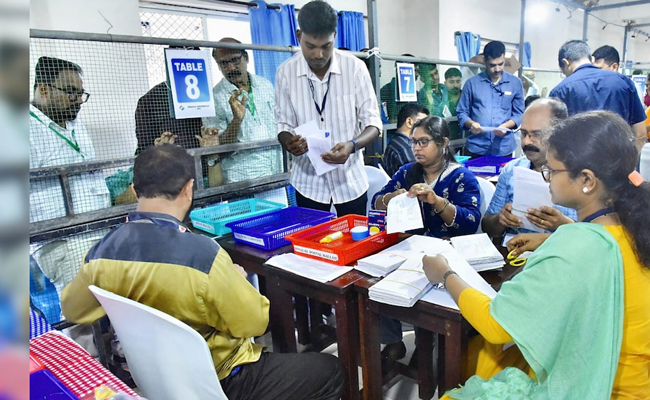
Chennai (PTI): New entrant TVK, led by actor-politician Vijay, was leading in as many as 83 constituencies on Monday when counting of votes polled in the April 23 Assembly polls was on across Tamil Nadu. The AIADMK was leading in 58 seats while the ruling DMK was ahead in 34, EC data showed.
About two hours after the postal ballots were counted and EVMs opened for multi-round counting, Vijay's Tamilaga Vettri Kazhagam surged ahead of its Dravidian rivals-- the DMK and the AIADMK, with the ruling party struggling to catch up.
If the trends maintain, Vijay could as well ensure the biggest electoral upset, something in lines with the "1967,1977" wins he had referred to in his campaign speeches.
While the Dravidian stalwart CN Annadurai brought the first non-Congress government in Tamil Nadu post-independence in 1967, the charismatic MG Ramachandran (MGR) installed the maiden AIADMK government 10 years later, unseating then DMK government under M Karunanidhi. TVK was leading in most Chennai segments, all considered DMK strongholds and currently represented by the party in the 234-member House.
A poor show by DMK could belie most exit polls giving an edge to it, riding on the number of populist measures Chief Minister M K Stalin had implemented in his five year "Dravidian model," inclusive governance.
According to EC and TV reports, 15 cabinet ministers, including Stalin were trailing. His son and deputy CM Udhayanidhi was also behind in his incumbent Chepauk-Tirvuvallikeni seat, according to a number of reports.
Stalin was trailing behind TVK's VS Babu by 1234 votes in Kolathur segment. Vijay was ahead in Tiruchirappalli East by over 3,000 votes at the end of two rounds of counting, according to EC data.
BJP is trailing in 26 constituencies and it is ahead in Thali segment alone. TVK is ahead in constituencies including Ponneri, Tiruvallur, Poonamalle, and Avadi.
AIADMK is leading in segments including Katpadi, and Guidyattam and party chief Edappadi K Palaniswami is ahead in Edappadi segment by 7003 votes.
DMK was leading in segments including Vellore, Anaikattu and Rishivandiyam.