'Thanks' Painted On Rooftop Where Pregnant Woman Was Rescued By Navy
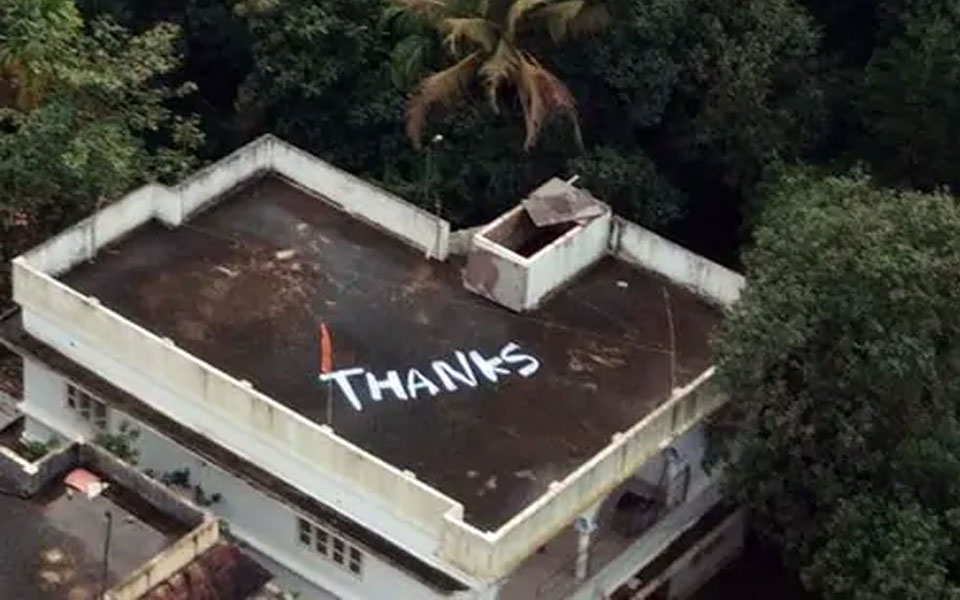
ALUVA, KERALA: Naval rescue chopper pilot Commodore Vijay Varma and his men got a unique thank you note, days after Sajitha Jabil, was rescued from the rooftop of her house, in Chengamanad near Aluva in Kerala. A huge 'Thanks' was painted on the roof of the house, from where Commodore Varma had rescued Sajitha on August 17. The 25-year-old pregnant woman's water bag broke, when she was stranded on the rooftop and the flood waters had reached the first floor.
A Navy chopper arrived with a doctor, who was lowered onto the rooftop to examine her. With his go-ahead, Ms Jabil was winched up and flown to INHS Sanjivani hospital in Kochi. Barely 30 minutes later, she delivered a baby boy said the hospital authorities.
Images tweeted by the Navy showed a beaming new mother with her baby. "They are both doing fine," the tweet read. In a video posted earlier by the Indian Navy's official handle, the pregnant woman, wearing a harness, was seen being airlifted.
Sajitha Jabil gave birth to a baby boy 30 minutes after being rescued by Commodore Vijay Varma
Aluva in Ernakulum district is one of the worst-hit by the flooding in the Periyar River. Thousands of people in Alappuzha, Ernakulam, Thrissur, Pathanamthitta, Chalakudy and Chenganoor who were stranded on rooftops and perched on trees had to be rescued.
The Western Naval Command on Sunday sailed INS Mysore, with relief material to provide assistance to the flood-hit state. The ship carried about 70 tonnes of relief material which included bottled water, ready to eat meals, fresh ration, milk, biscuits, medicines, candles and other essential toiletries.
Kerala has received heaviest rainfall since 1924, causing massive destruction and leaving more than three lakh people in relief camps. The damage to standing crops and properties has been estimated to be over Rs.8,000 crore.
courtesy : ndtv.com
Let the Truth be known. If you read VB and like VB, please be a VB Supporter and Help us deliver the Truth to one and all.
Election results prove Modi best for national security: R Ashoka
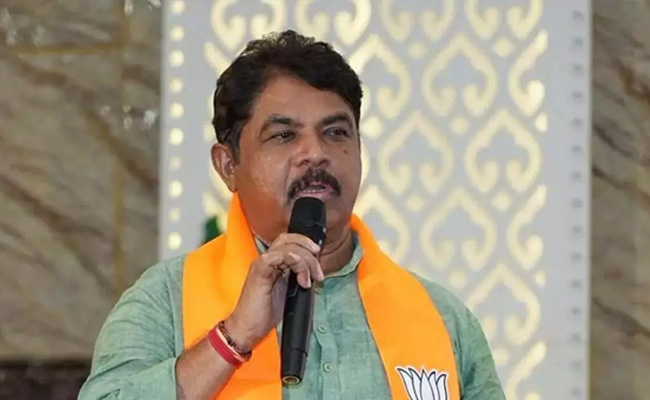
Bengaluru: Leader of Opposition in Karnataka Assembly R. Ashoka said the election results show that Narendra Modi is the most suitable leader for the country’s security.
Speaking to the media, he claimed that the political future of Mamata Banerjee and her government has come to an end. He alleged that around two crore people from Bangladesh were helped to enter the country with Aadhaar cards.
Ashoka said that even though elections were held in five states, the entire country’s attention was on West Bengal. He attributed this to what he described as misgovernance in the state.
He further said there were continuous political allegations and objections related to CBI matters, and added that such developments have now come to an end with the latest election outcome.