The Quint report exposes trend of criminals impersonating as Muslim to carry criminal activities
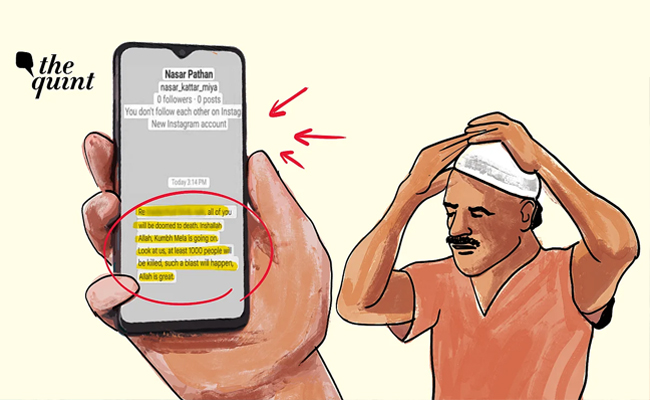
In a detailed investigation by Aliza Noor for The Quint, the disturbing trend of criminal activities being carried out under fake Muslim identities is brought to light. This growing tactic is being used to spread hatred and create division within society, further exacerbating communal tensions. Noor’s report explores several incidents where individuals have impersonated Muslims for malicious purposes, shedding light on a wider and more deliberate agenda to fuel communal discord.
One recent incident surfaced ahead of the 2025 Kumbh Mela preparations, where a bomb threat post circulated on social media, claiming that at least 1,000 devotees would be killed during the event. The post, published from an account named "Nasir Pathan," triggered widespread concern. However, investigations revealed that the account was operated by a 17-year-old student, Ayush Kumar Jaiswal, from Bihar’s Purnia district.
Jaiswal had used a fake Muslim identity to issue the threat. The police traced the IP address and arrested him. An FIR was filed against him under sections 351(2) (criminal intimidation), 352 (intentional insult with the intent to provoke a breach of peace), and Section 67 of the Information Technology (IT) Act. Authorities have continued their investigation into the incident, underlining the increasing trend of using Muslim names for criminal activities.
Similarly, in December 2023, a Lucknow resident, Devendra Tiwari, received an email from an individual named Juber Khan, threatening to kill Uttar Pradesh Chief Minister Yogi Adityanath and Additional Director General of Police Amitabh Yash. The email contained hate-filled language aimed at Muslims. However, further investigation revealed that the individuals behind the threatening email were not Muslims but two other men, Tahir Singh and Om Prakash Mishra. These men, acting under the direction of Tiwari, had created the fake Muslim identity to incite violence and further his political agenda.
The police found that Tiwari had links to the Indian Kisan Manch and the Indian Go Seva Parishad. He is said to have orchestrated several such instances to manipulate public perception and foster division. Tiwari’s actions are under scrutiny, with multiple criminal cases filed against him in Lucknow.
This disturbing trend of impersonating Muslims for criminal purposes is not limited to just these cases. In June 2024, Dheerendra Raghav from Agra was arrested for wearing Muslim attire and impersonating a Muslim individual to insult the Hindu community, inciting unrest. Though Raghav was later released, he continued to exploit religious identities for malicious purposes, further showcasing the harmful impact of such acts.
Earlier cases have also raised alarms. For example, the notorious email threat to billionaire Mukesh Ambani, which was later found to have been sent by Rajveer Kanth, a B.Com student, highlighted another incident of criminal behavior under a Muslim identity. Kanth was arrested after the police tracked him down in Gujarat’s Kalol, drawing attention to the increasing use of Muslim names for criminal intent.
Another notable case occurred in 2022, when Siddharoodh Srikanth Nirale impersonated a Muslim named Mushtaq Ali on Facebook to send threats to BJP MLC DS Arun's family. The police quickly arrested Nirale, but the case raised questions about how widespread this tactic had become.
(Click Here to read the original report published on The Quint authored by Aliza Noor)
Let the Truth be known. If you read VB and like VB, please be a VB Supporter and Help us deliver the Truth to one and all.
Bihar: Over 150 children fall ill after consuming 'mid-day meal' in Saharsa
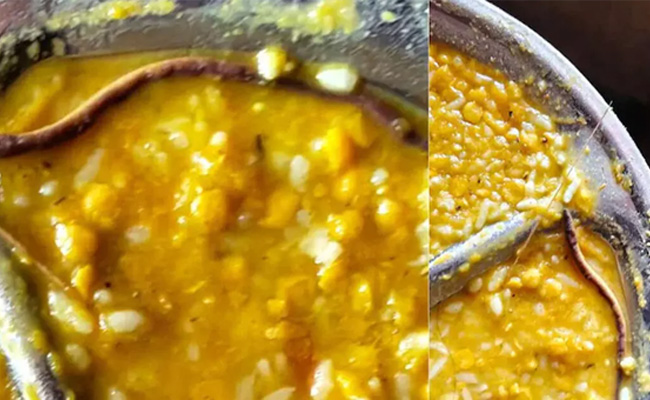
Saharsa (PTI): More than 150 children were taken ill after allegedly consuming food that was part of the mid-day meal in a school in Bihar’s Saharsa district, a senior official said on Thursday.
The incident occurred at a middle school in Baluaha village of the district.
The official said that 115 children were undergoing treatment at the Sadar Hospital, while around 50 students were admitted to Mahishi Public Health Centre.
“We received information that several children fell ill after consuming the mid-day meal in Baluaha. The children were initially treated at the primary health centre, but later, many were referred to the Sadar Hospital,” Saharsa District Magistrate Deepesh Kumar told reporters.
“According to doctors, the health condition of the children has improved, but they will be kept under observation for some time. There is no need to panic. Some kids are having mild fever. They are being treated accordingly,” Kumar said.
Meanwhile, family members of some children claimed that a snake was found in the container in which cooked pulses was stored at the school.
Of the 545 students present in the school, 200 had already eaten their meals by the time the snake was spotted, and later complained of stomach ache and vomiting, they said.
Regarding the claims, the DM said food samples have been collected from the school.
“We will be able to comment on this only after the results of the tested samples arrive,” he said.