Three new cubs born to Cheetah Gamini in MP's Kuno Park; India's count rises to 38
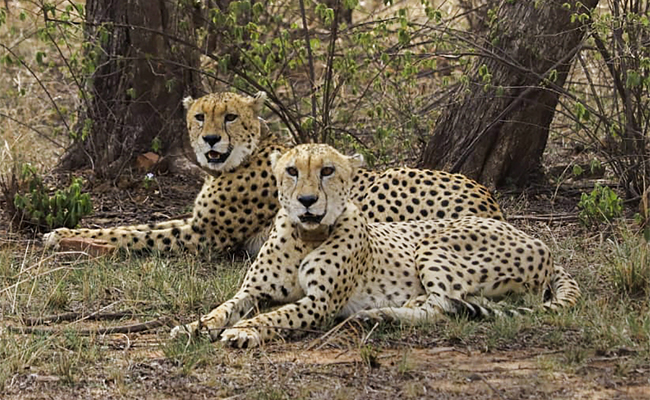
Sheopur (MP) (PTI): Cheetah 'Gamini' has given birth to three cubs at the Kuno National Park in Madhya Pradesh, taking the number of these big cats in India to 38, Union Environment Minister Bhupender Yadav said on Wednesday.
Describing it as a "roaring" success of the government's ambitious Cheetah re-introduction programme, Yadav said it is a powerful symbol of the country’s determined and historic conservation effort.
Gamini was translocated to India from South Africa as part of the ambitious project launched in September 2022 to revive the population of the world's fastest land animal in India, which had gone extinct decades ago.
ALSO READ: Rs 640 crore cyber fraud: SC refuses anticipatory bail to CA in ED case
Yadav, in a post on X, said, “Kuno welcomes three new cubs - A roaring new chapter at Kuno on the occasion of completion of 3 years of arrival of cheetahs from South Africa. Celebrations echo through Kuno National Park as Gamini, the South African cheetah and second-time mother, has brought 3 new cubs into the world."
This joyful arrival marks the ninth successful cheetah litter on Indian soil and takes the number of surviving Indian-born cubs to 27, he said.
With these newest additions, India's total cheetah population has now reached 38 - a powerful symbol of the country's determined and historic conservation effort, Yadav highlighted.
Each birth strengthens the foundation of Project Cheetah and reflects the passion, perseverance, and round-the-clock dedication of the field staff and veterinary teams who have nurtured this dream into reality, he said.
"A moment of pride for Kuno, and for India—may Gamini and her three little sprinters grow strong and carry the nation’s cheetah revival story forward with speed and grace," the minister added.
Chief Minister Mohan Yadav noted that Madhya Pradesh is a powerful centre for cheetah reintroduction.
This is a historic achievement for the entire country in the direction of wildlife conservation, biodiversity, and environmental balance, the CM said in a post on X.
It is a matter of immense joy that under Project Cheetah, the female cheetah ‘Gamini’ who arrived from South Africa has given birth to three cubs, he said.
"With the completion of three years of cheetahs’ arrival at Kuno National Park in Sheopur district, this is the 9th successful birth (of a litter). The total number of cheetahs in India has now increased to 38," Yadav added.
Earlier this month, cheetah Aasha, translocated to India from Namibia, gave birth to five cubs in KNP.
Let the Truth be known. If you read VB and like VB, please be a VB Supporter and Help us deliver the Truth to one and all.
Karnataka School Edu Dept prohibits children from being made to dance to obscene songs
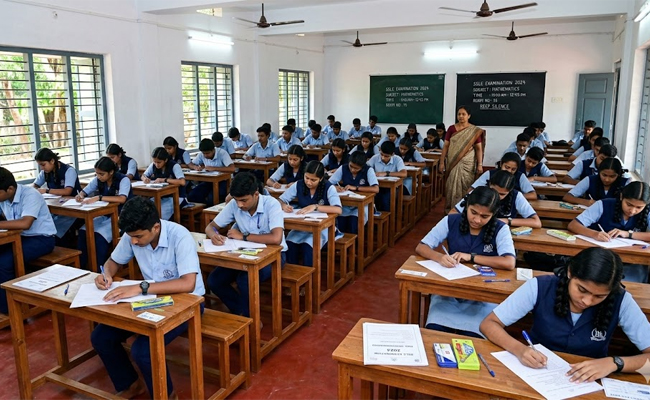
Bengaluru (PTI): The Karnataka School Education Department has issued a circular strictly prohibiting children from being made to dance to obscene songs in educational and cultural programmes.
It stated that such dances would negatively impact students' mental health and moral values. It will create indiscipline and harm the sanctity of education.
"All the Deputy Directors (Administration) of the state's School Education Department have been asked to take strict measures to prevent children or students from dancing to obscene songs in all government, aided and unaided schools in the state," the office of the commissioner of the School Education Department said in a recent circular.
"If it is found that children are being made to dance to obscene songs, appropriate action will be taken against the headmaster or management of such school," it added.
The department also listed certain measures in this regard, which include: strictly prohibiting children from being made to dance to obscene songs during educational and cultural programmes; selecting songs that are inspiring, positive, instilling national pride in children and reflecting the greatness, dignity, values, culture, and morality of the state.
Stating that the school headmaster and management are responsible for selecting songs and dances for cultural programmes, it said, they should also ensure that students wear decent clothes in dance or cultural programmes.