TN court holds 9 policemen guilty in case of custodial torture leading to deaths of father-son
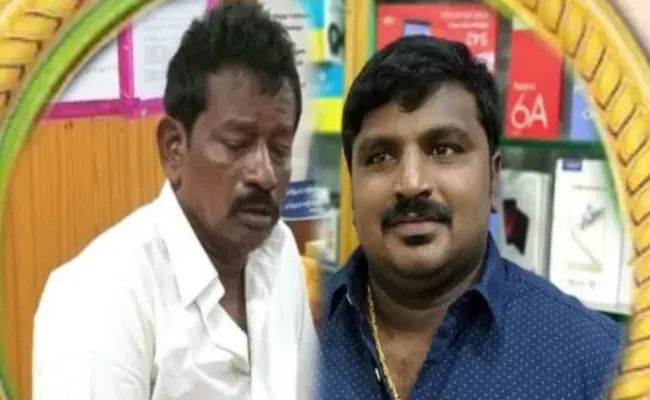
Madurai (Tamil Nadu) (PTI): A local court on Monday held guilty all the nine accused policemen in the case of custodial torture of a man and his son, leading to their deaths at Sathankulam in Thoothukudi district in the year 2020.
The First Additional District and Sessions Court Judge G Muthukumaran declared that the prosecution had proven its case and held the policemen guilty of causing the death of the father-son. The quantum of sentence for the convicted policemen will be pronounced on March 30, the judge said.
On June 19, 2020, mobile phone shop owner P Jayaraj (59) and his son J Benicks (31) were taken to Sathankulam police station in connection with an alleged violation of norms to prevent the spread of a coronavirus pandemic. The father and son died on June 23 at Kovilpatti subjail following alleged brutal custodial torture at the police station.
The case, which includes the charge of murder, against 10 policemen, including Inspector S Sridhar, Sub inspectors K Balakrishnan, P Raghuganesh, Head Constables, S Murugan and A Samidurai, was initially probed by the CB-CID and it was later taken over by the CBI. The incident had caused a major public outrage in the state then.
There were 105 witnesses, including Selvarani (wife of Jeyaraj) then Sathankulam police woman head constable R Revathi in the case. As many as 116 documents were marked, which included the judicial inquiry reports on the deaths of Jayaraj and Benicks.
One of the accused, Special SI, A Pauldurai, died during the pendency of the case and 9 others, including Sridhar, continued to be in Madurai Central Prison.
The CBI initially filed a chargesheet and later a supplementary report which together was nearly 2,500 pages. Attempts of the accused to secure bail proved futile during the nearly 6-year-old trial of the case.
Daughter of deceased Jeyaraj, Persis, told reporters that the court has, in the judgment, said that her father and brother died due to the injuries inflicted on them by the 10 policemen.
Quoting the judgment, she said the policemen had beaten up her father and brother "all through the night and till early morning."
Asked on the judgment citing policemen's claim to "get trained by beating the father-son," she said it showed that they were not at all humans. She demanded that the guilty be handed exemplary punishment, which would be a deterrent. "CBI did a good job," she said.
She, further, said: "We were waiting for this day all these days. We think we have got justice. The punishment will be made known on March 30. We have faith in judiciary. No other family must be affected like us."
Jebasingh of Tirunelveli, an advocate on behalf of the victims' family said blood stains of victims from a van, (taken to transport them to jail) lathi and a table in police station helped establish torture and prove the charges.
The court has sought from the state government details of assets and last drawn salaries of the convicted policemen to slap a penalty on them. A report on the health condition of the accused/convicted policemen has also been sought by the court, he added.
Let the Truth be known. If you read VB and like VB, please be a VB Supporter and Help us deliver the Truth to one and all.
Lebanon appoints new representative for talks with Israel, rejects linkage to Iran
Beirut: Lebanon’s has moved to underline its independent position in ongoing regional developments, amid attempts to link the country to the broader conflict involving Iran, the United States and Israel.
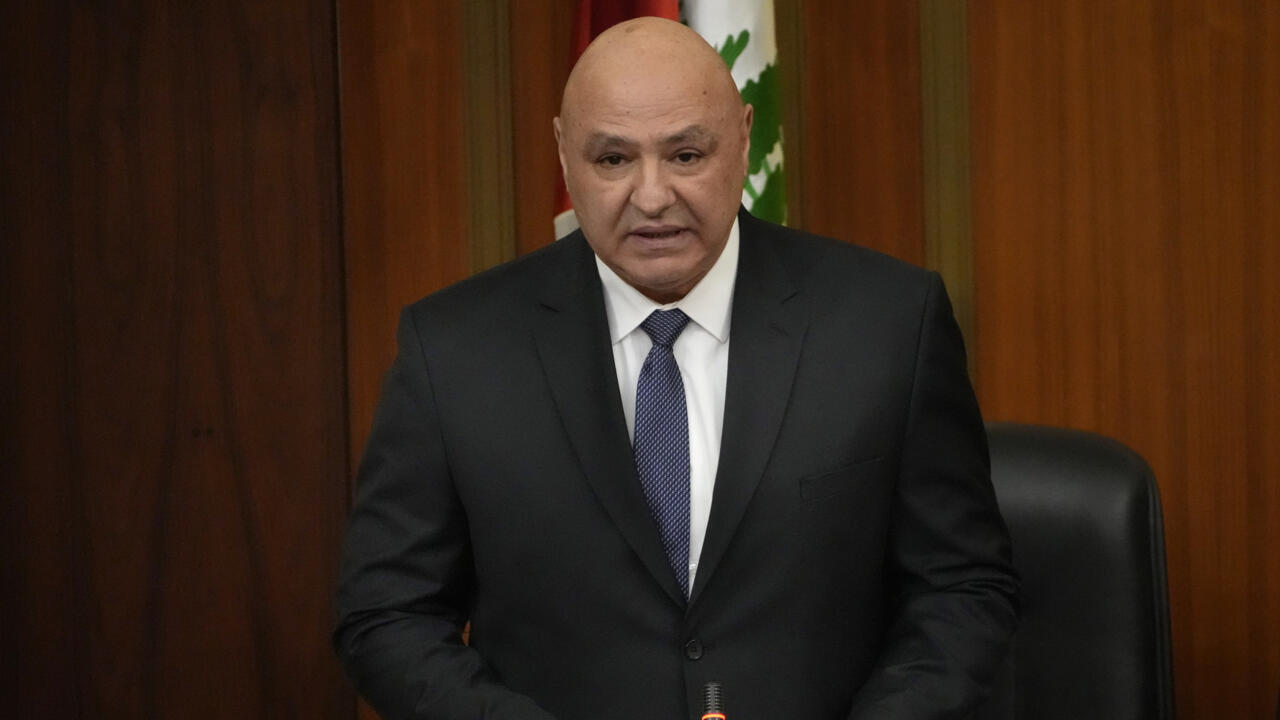
President Joseph Aoun, while announcing the appointment of former US ambassador Simon Karam as Lebanon’s representative in talks with Israel, made it clear that Karam would be the sole representative for Lebanon and that there would be no substitute.
The move comes in response to what the Lebanese officials see as efforts by Iran to tie Lebanon’s situation to the wider regional conflict. Iran had indicated that there would be no ceasefire involving the US, Israel and Iran unless it also included a ceasefire in Lebanon.
Some groups, including Hezbollah and its supporters, had expressed support for linking the situations, citing concerns that the Lebanese government has limited leverage in negotiations with Israel. Lebanon is not formally a party to the conflict, and its army is considered weak.
However, others, including Prime Minister Nawaf Salam, have opposed this approach. They view Iran’s stance as an attempt to influence Lebanon’s internal affairs and see it as undermining the country’s sovereignty.
Officials backing the government’s position say the move is aimed at reaffirming Lebanon’s sovereignty and ensuring that decisions about peace and ceasefire within the country are not dictated externally.
They also see it as a safeguard, so that any breakdown in talks between the US, Israel and Iran does not automatically lead to renewed conflict in Lebanon.