Trademark infringement case: HC imposes cost of Rs 4 cr on Patanjali for breach of court order
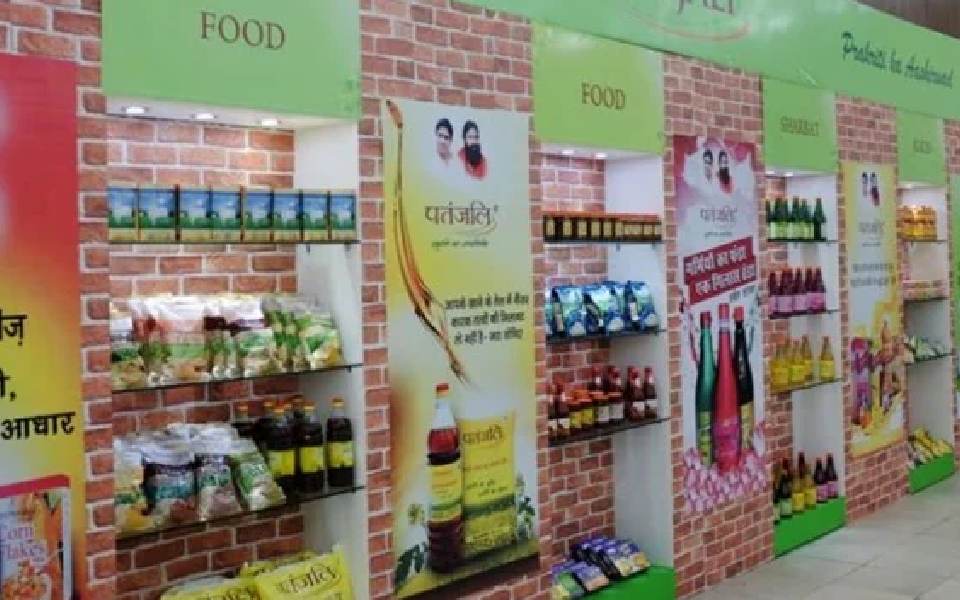
Mumbai, Jul 29: The Bombay High Court on Monday imposed a cost of Rs 4 crore on Patanjali Ayurved Ltd for the alleged breach of a 2023 interim order that restrained the company from selling its camphor products in relation to a trademark infringement case filed by Mangalam Organics Ltd.
A single bench of Justice R I Chagla noted that there was a "wilful and deliberate" breach of the court order by Patanjali.
The bench said it has no doubt in its mind that Patanjali had an intention to flout the court order.
The bench disposed of a petition filed by Mangalam Organics Ltd seeking contempt action against Patanjali for selling its camphor products despite a restraining order from the court.
Justice Chagla directed Patanjali to deposit Rs 4 crore within two weeks.
This was in addition to Rs 50 lakh the high court had directed the company to deposit earlier this month.
In August 2023, the high court, in an interim order, prohibited Patanjali from selling or advertising its camphor products.
Mangalam Organics had filed a suit against the company alleging copyright infringement of their camphor products.
Mangalam Organics later filed an application claiming that the Ayurveda firm was in breach of the interim order as it continued selling the camphor products.
The court took note of the June 2024 affidavit submitted by Rajneesh Mishra, director of Patanjali, tendering an unconditional apology and an undertaking to abide by the orders passed by the high court.
Mishra, in the affidavit, claimed there was a cumulative supply of the impugned camphor product amounting to Rs 49,57,861 after the passing of the injunction order.
The bench on Monday said while a case of imposing imprisonment on defendant Mishra was made out, it was refraining from passing such an order as his personal liberty was at stake.
The court said if Rs 4 crore is not deposited within two weeks, Mishra would be taken into custody immediately.
Let the Truth be known. If you read VB and like VB, please be a VB Supporter and Help us deliver the Truth to one and all.
Centre launches national childhood diabetes screening, treatment framework
New Delhi (PTI): The Union Health Ministry on Sunday released a guidance document providing a framework for screening, diagnosis, treatment and long-term management of childhood diabetes.
According to the ministry, the document, for the first time, establishes a structured and standardised national framework, positioning India among a select group of countries that have integrated childhood diabetes care into the public health system.
The "Guidance Document on Diabetes Mellitus in Children" was released at the National Summit on Best Practices in Public Healthcare Service Delivery, concluded on May 1-2.
According to a statement by the ministry, the framework aims to ensure universal screening of all children from birth to 18 years through community and school-based platforms for early identification of diabetes.
Suspected cases will undergo immediate blood glucose testing and be referred to district-level health facilities for confirmatory diagnosis and treatment, it said.
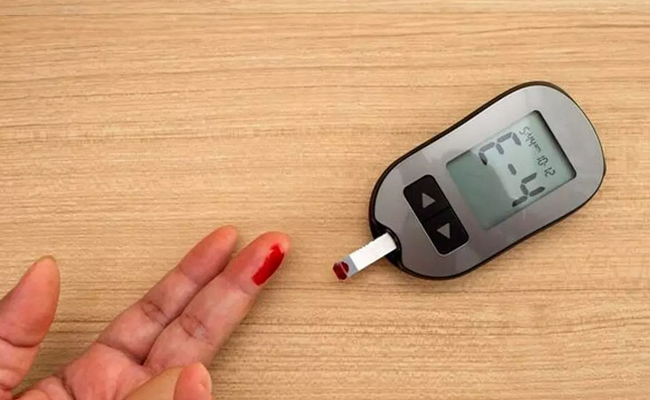
A key feature of the initiative is the provision of a comprehensive free-of-cost care package at public health facilities, including screening, diagnostic services, lifelong insulin therapy, glucometers, test strips and regular follow-up care.
The initiative seeks to reduce the financial burden on families and ensure uninterrupted treatment for children diagnosed with diabetes.
The document also lays down an integrated continuum of care linking community-level screening with district hospital-based management and advanced care at medical colleges to ensure seamless follow-up and treatment.
To strengthen early detection, the guidance promotes the "4Ts" awareness framework -- Toilet, Thirsty, Tired and Thinner -- to help parents, teachers and caregivers recognise early warning signs of type 1 Diabetes.
Besides clinical protocols, the document focuses on family and caregiver empowerment through structured training on insulin administration, blood glucose monitoring, emergency response and daily disease management.
The statement stated the initiative is expected to reduce mortality through early detection, prevent complications and improve the quality of life of affected children while strengthening the public health system's capacity to manage non-communicable diseases among children.