Twitter CEO Jack Dorsey won't appear before Parliamentary panel on Feb 25
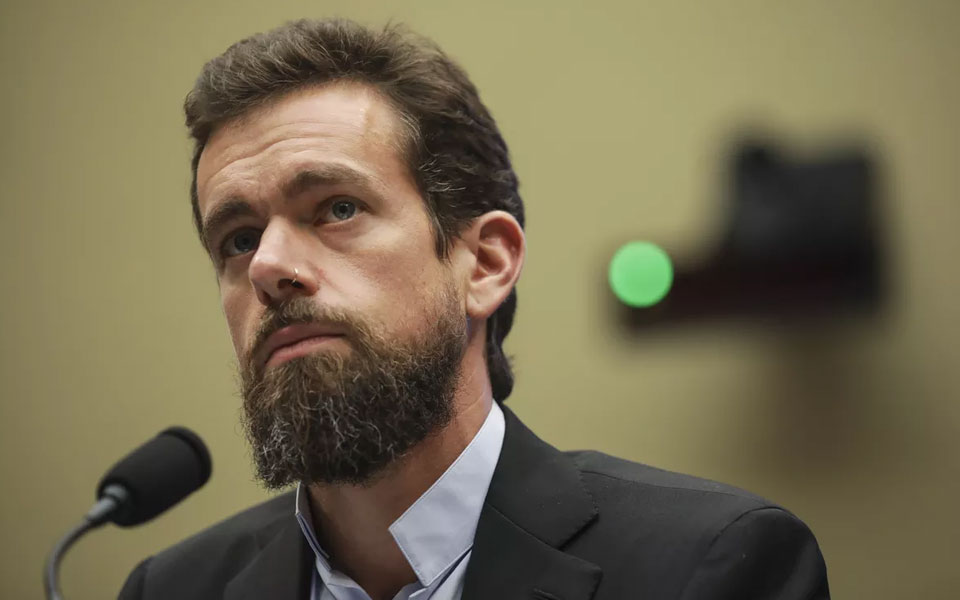
New Delhi : Twitter CEO Jack Dorsey will not appear before the Parliamentary panel on IT on February 25, and instead the company is sending its Head of Public Policy Colin Crowell.
The Parliamentary panel on Information Technology had summoned Twitter head Jack Dorsey to appear before it on February 25, and had refused to meet "junior officials" of the microblogging site during its meeting on February 11.
The meeting had been called against the backdrop of growing concerns about safeguarding citizens' data privacy and the possibility of social media platforms being used to interfere in the upcoming elections.
"We thank the Parliamentary Committee for its invitation to hear Twitter's views on 'Safeguarding citizen rights on social/online news media platforms'. These are issues for all Internet services globally.
"Colin Crowell, Global Vice President of Public Policy for Twitter, will meet with the Committee on Monday," a Twitter spokesperson said in an e-mailed statement on Friday.
Ahead of the Lok Sabha elections, the government has been warning social media platforms of strong action if any attempt was made to influence the country's electoral process through undesirable means.
Sources said on February 11, the committee had refused to meet junior officials from Twitter's India office who were present at the meeting venue.
The panel passed an unanimous resolution that the microblogging site's CEO should make himself available to show the company's seriousness in safeguarding rights of Indian citizens online, they added.
As per the resolution, the panel would hear only the Twitter CEO or senior member of its global team "who has decision making authority regarding Twitter's operations in India," one of the sources had said.
Even as it faces heat over allegations of political bias in the country, Twitter has maintained that it is committed to remain unbiased and that its product as well as policies are never based on political ideology.
The government has been taking a strong view of misuse of social media platforms and is also proposing to amend IT rules to curb fake news and increase accountability of such apps.
Over the last few weeks, Facebook, Twitter and Google have promised to infuse more transparency into political advertisements on their platform, and announced a slew of measures as part of their election integrity efforts.
On Thursday, Twitter said it has formed an internal, cross-functional group to lead "electoral integrity work" in India that will proactively support partner escalations, and identify potential threats from malicious actors.
The US-based company had also stated that its teams are working closely with political parties across the spectrum to train them on using Twitter to best engage with their constituents.
Let the Truth be known. If you read VB and like VB, please be a VB Supporter and Help us deliver the Truth to one and all.
44 peacocks die of H5N1 in Karnataka’s Tumakuru; minister orders precautions
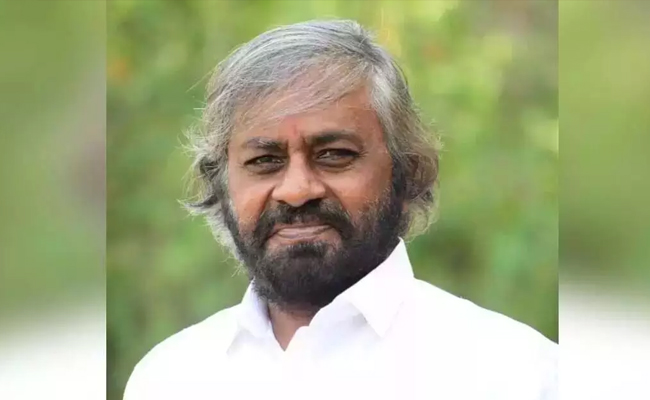
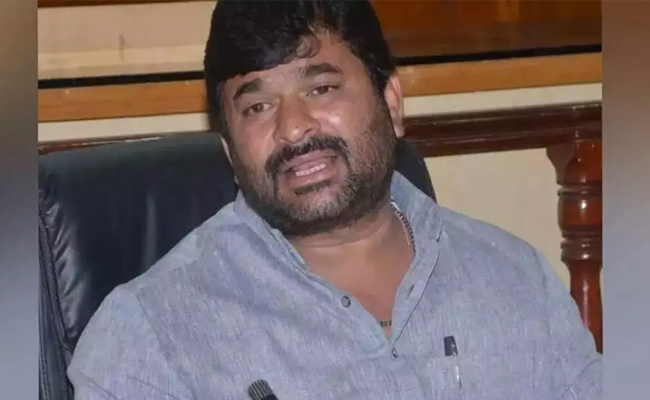
Bengaluru (PTI): After 44 peacocks died of the H5N1 virus in Tumakuru district, Karnataka Minister Eshwar Khandre on Saturday directed officials to implement strict precautionary measures to prevent its spread across forest areas, including zoos and bird sanctuaries.
The directive comes after laboratory reports from the ICAR–National Institute of High Security Animal Diseases in Bhopal recently confirmed H5N1 avian influenza as the cause of the deaths.
According to the state forest minister, the peacocks died between April 16 and 21 in and around Bommanahalli and Kolihalli villages in Urdigere hobli, and Bairasandra and Hullenahalli villages in Gulur hobli of Tumakuru district.
“In this context, instructions have been issued in line with the revised H5N1 Action Plan of the Central Government to prevent the spread of infection across all forest areas, including zoos, bird sanctuaries, Magadi Lake, and the community reserve at Kokkare Bellur,” Khandre said in a note addressed to the principal chief conservator of forests (wildlife) and chief wildlife warden.
He also directed that any deaths of birds, whether migratory or local, must be reported immediately, and that samples from carcasses should be collected and sent for testing.
If required, a nodal officer may be appointed to monitor the situation across the state, he added.
Authorities have established an infected zone within a 0–3 km radius and a surveillance zone extending from 3 to 10 km.
According to the Health Department, surveillance for fever, Influenza-Like Illness (ILI), and Severe Acute Respiratory Infection (SARI) will be carried out over the next 10 days, covering a population of 20,432 across 38 villages.
In light of the situation, the department has advised the public to follow precautionary measures to minimise the risk of infection by avoiding contact with sick or dead birds and maintaining hand hygiene by washing hands frequently with soap and water.
It has also suggested the use of personal protective equipment (PPE) while handling birds or their droppings, and advised ensuring that poultry and eggs are thoroughly cooked (above 80 degrees celcius) before consumption.
The health department has also recommended avoiding close contact with individuals exhibiting symptoms of respiratory illness.
The department said it is closely monitoring the situation and has put necessary precautionary measures in place.
The public has been advised to remain vigilant and report any unusual bird deaths or symptoms promptly, officials added.
Avian influenza (H5N1) is a subtype of the influenza virus that infects birds and mammals, including humans in rare instances, according to the World Health Organisation. Human cases reported so far have been mostly linked to close contact with infected birds or other animals, or with contaminated environments.