Under PM Modi, India does not shy away from taking stand: BJP president Nadda
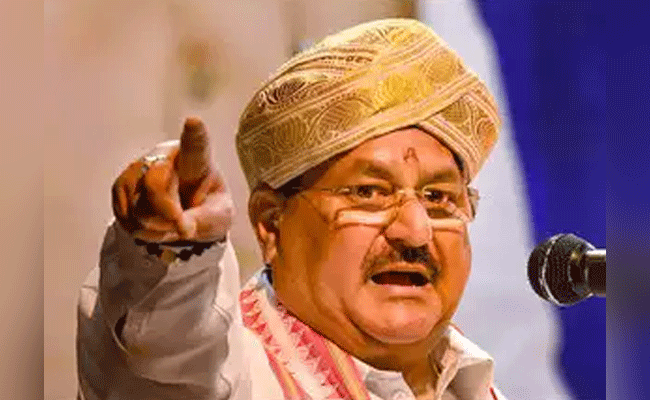
New Delhi (PTI): BJP president J P Nadda said on Wednesday that India under Prime Minister Narendra Modi's leadership does not shy away from taking a stand on complex issues, asserting that he has changed the way the country is looked at globally.
Releasing the book, "Modi: Shaping a Global Order in Flux", Nadda said Indian government leaders earlier did not "dare" to visit Israel due to domestic vote bank politics.
"The domestic vote bank politics compelled, and India couldn't develop a relationship with Israel," he said, adding Prime Minister Modi visited Israel as well as Palestine.
This shows India is capable of handling two different countries in the best possible manner, the BJP president said.
Modi has also succeeded in dehyphenating India with Pakistan which was not the case earlier, he said.
Relatively less is written on Prime Minister Modi's contribution in changing how India is looked globally, and this book will start a debate, he said.
Nadda said, "It is necessary to understand what was the image of India before Modi ji came to power. The economy was declining, India had an image of a corrupt state, repeated terrorist attacks and a lack of stable government. The very sad part was that the authority of the PM was eroded."
Modi visited around 60 countries and he undertook over 100 overseas journeys, he said, adding that he strengthened India's ties with old allies and started new partnerships as well.
The prime minister visited practically all neighbouring countries and strengthened the relationships, he added.
Let the Truth be known. If you read VB and like VB, please be a VB Supporter and Help us deliver the Truth to one and all.
Trump says he ‘hasn’t even thought about’ continuing Iran ceasefire
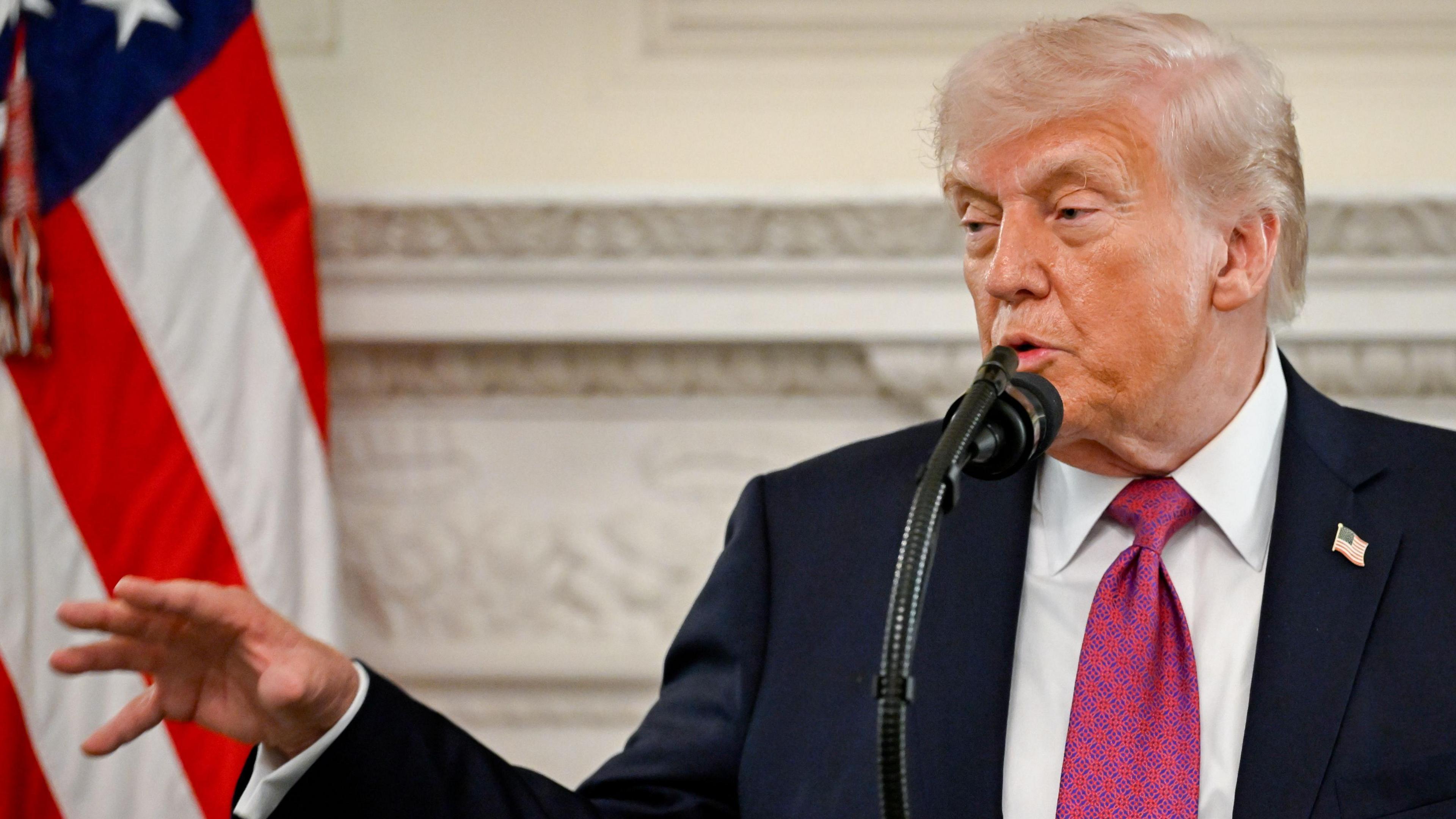
Washington: US President Donald Trump has said he has not yet considered whether he would continue the ceasefire involving Iran, while also claiming the United States holds the advantage in negotiations.
Speaking to reporters, Trump said he was prepared to make a deal with “whoever is running the show” in Iran.
“They are fighting with each other, there’s tremendous infighting. They’re probably fighting for leadership in many cases. I think they’re fighting not to be leader because we knocked out two levels of leaders,” he said.
Trump added, “When they want they can call me. We have all the cards, we’ve won everything.”
Referring to ongoing negotiations, he said, “They gave us a paper that should’ve been better. And, interestingly, immediately when I cancelled it [envoy trip to Pakistan], within 10 minutes we got a new paper that was much better.”
“We talked about they will not have a nuclear weapon, very simple … They offered a lot, but not enough,” he added.
When asked whether he would continue the ceasefire, Trump replied, “I haven’t even thought about it.”
The remarks come as uncertainty remains over the future of the temporary truce and broader negotiations between Washington and Tehran.