Union ministry tells par panel Yamuna water failed quality test at 22 of 33 locations
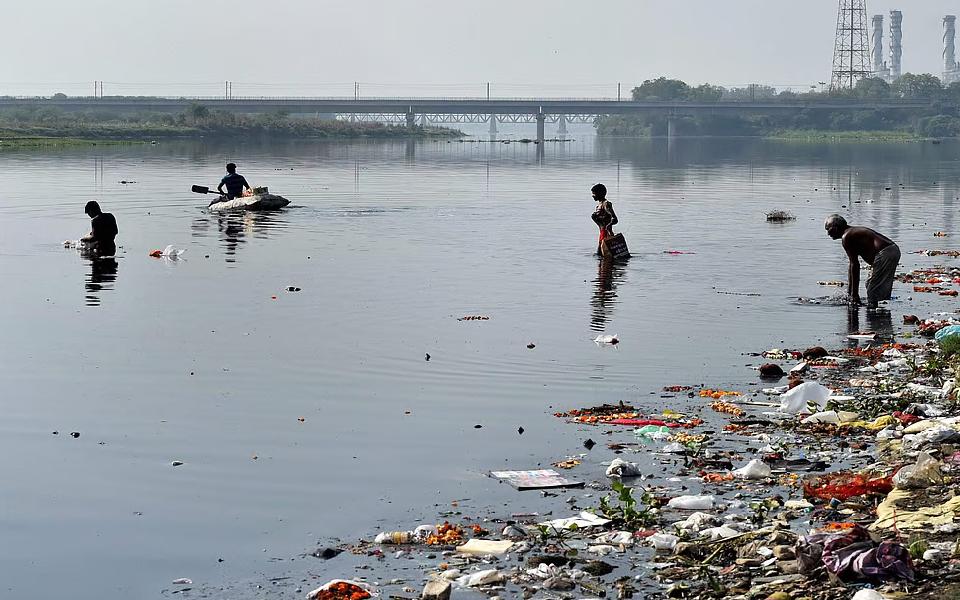
New Delhi, Apr 28 (PTI): The Union Ministry of Environment, Forest and Climate Change on Monday said 22 of the 33 locations at Yamuna River being monitored did not meet the compliance standards of the Central Pollution Control Board (CPCB) in 2024.
A PowerPoint presentation by the ministry to a parliamentary standing committee said all seven and 12 locations in Delhi and Uttar Pradesh, respectively, failed the "primary water quality criteria for outdoor bathing", while all four locations in Uttarakhand and Himachal Pradesh each passed it, sources said.
In Haryana, three of the six locations at Yamuna met the required conditions, while as many failed, it added.
The CPCB's National Water Monitoring Programme (NWMP) evaluates water under the metrics of Dissolved Oxygen (DO), Biochemical Oxygen Demand (BOD), pH and Faecal Coliform.
Lack of adequate sewage treatment, besides untapped drains in the national capital, a major source of pollution in the river, which is the biggest tributary of the Ganga, are important causes for contamination in the Yamuna, the sources said.
The ministry, in its presentation to the committee, said 791 MLD (megalitres per day) of sewage out of the total 3,600 MLD generated in Delhi remains untreated, according to the figures of February 2025.
The ministry officials said out of 22 drains in the city, only nine are tapped, and two are partially tapped, according to the sources.
However, there are nine untapped drains in Tughlakabad, Abul Fazal, ISBT, Sonia Vihar, Kailash Nagar, Shastri Park, Barapulla, Maharani Bagh and Jaitpur, while two large drains -- Najafgarh and Shahdara -- are not technically feasible for tapping.
The ministry noted that Delhi Lieutenant Governor Vinai Kumar Saxena had constituted a high-level committee for reviewing the action plan to curb pollution in the Yamuna River in January 2023.
Let the Truth be known. If you read VB and like VB, please be a VB Supporter and Help us deliver the Truth to one and all.
“Goli maro…” slogan raised as ABVP-linked group disrupts play at University of Hyderabad
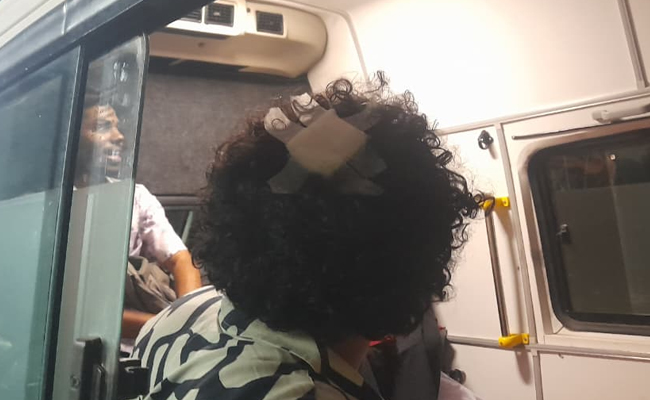
Hyderabad: A group allegedly linked to the Akhil Bharatiya Vidyarthi Parishad (ABVP) disrupted a theatre performance at the University of Hyderabad on Sunday evening. The group is also accused of vandalising property and assaulting students.
Slogans such as “Desh ke gaddaron ko, goli maro…” were raised during the incident, according to eyewitnesses.
According to the Observer Post, the disruption happened as Mahesh Elkunchwar's play Holi was being staged at the Department of Theatre Arts' GB Hall. The group reportedly objected to certain portions of the play, claiming that some phrases hurt religious sentiments.
According to accounts from those present, the situation escalated when individuals forced their way into the venue after damaging fixtures and breaking glass panels outside the auditorium. Students attempting to intervene were reportedly assaulted, and a guest faculty member was allegedly threatened.
Several students sustained injuries and were provided initial treatment at the campus health centre before being shifted to a nearby hospital.
Police later arrived at the scene, brought the situation under control, and escorted those inside the hall to safety. Witnesses said tensions remained high, with some members of the group continuing to raise slogans during the evacuation.