UP polls: 1 kg 'ghee', free ration to poor for 5 years if SP comes to power, says Akhilesh Yadav
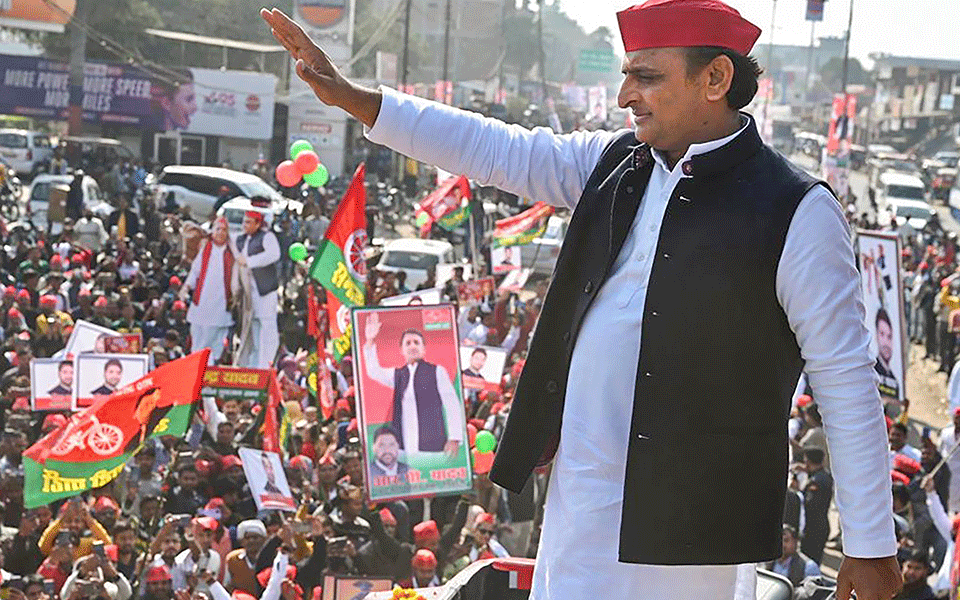
Rae Bareli (UP)(PTI): SP chief Akhilesh Yadav on Tuesday promised a kilo of 'ghee' to the poor along with free ration for five years if his party comes to power in Uttar Pradesh while claiming that the BJP government was set to discontinue its own free-ration scheme.
"The poor, who are availing their rations, will get it till the elections. It will not be available after the elections. Earlier it was to be given till November but when the UP elections were announced, they said they would get it till March," Yadav said.
Addressing an election rally here, he said the funds for ration has not been earmarked in "Delhi's budget as they know that the election will end in March."
"Ration was given by the Samajwadis earlier as well. As long as there is an SP government, we will give ration to our poor. Along with it, we will give mustard oil as well as two cylinders in a year. To see that the health of our poor gets better, one kilogram of ghee will also be given," the Samajwadi Party chief said.
The quality of ration being distributed by the BJP government was bad and there were also reports of glass particles found in the salt, Yadav said and asked whether the salt was not coming from Gujarat.
There are 11 lakh government vacancies in UP and the SP government will provide jobs to the youth by filling up those posts, he said.
Yadav said, "BJP leaders were seeking votes moving from house to house. Their senior leaders were distributing pamphlets... but now that campaign has stopped because when they visited some villages, people showed them empty gas cylinders. From the day empty cylinders were shown, their door-to-door campaigning stopped."
Attacking the state government, the SP chief said the law and order situation under the BJP government has collapsed.
"The highest number of custodial deaths have taken place under the BJP government. Corruption has also doubled in this double engine government," he alleged.
The SP president also made an appeal to the electorate to vote in favour of Samajwadi Party candidates of Rae Bareli.
Let the Truth be known. If you read VB and like VB, please be a VB Supporter and Help us deliver the Truth to one and all.
Congress using hijab issue to pacify minority anger, alleges Karnataka LoP R Ashoka
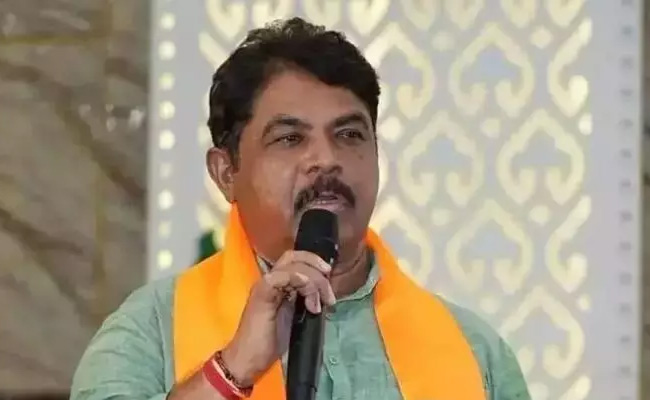
Bengaluru: Leader of Opposition in the Assembly R. Ashoka has accused the Congress government of using the hijab issue to placate what he described as discontent among minority voters after the Davanagere by-election.
In a post on X on Wednesday, Ashoka alleged that the state government, instead of addressing issues such as price rise, corruption, farmers’ distress and law and order, was attempting to retain its minority vote base by reviving the hijab issue.
Referring to the 2022 dress code introduced by the BJP government, which prohibited hijab in schools and colleges, Ashoka said the Karnataka High Court had upheld the policy and emphasised the importance of discipline in educational institutions.
He questioned the Congress government’s move to revisit the issue and asked whether setting aside the court-backed policy to benefit one community could be described as secularism.
Ashoka further alleged that while the government was willing to permit hijab, it continued to prohibit saffron shawls.
He accused the government of dividing students on religious lines rather than treating schools and colleges as spaces of equality.
Drawing a comparison with Mamata Banerjee’s government in West Bengal, Ashoka claimed that excessive appeasement politics had harmed the state and warned that the Congress in Karnataka could face a similar political response.
He said voters in Karnataka would teach the Congress a lesson for what he termed “vote-bank politics” and for compromising constitutional and judicial principles.