UP: Skeletal remains of girl missing since December found in Pilibhit canal

Pilibhit (UP) (PTI): Skeletal remains, believed to be of an 18-year-old girl who left her home in December after an argument with her family, were found near a canal in Uttar Pradesh's Pilibhit on Friday, police said.
According to the police, around 10 am a local spotted the skeletal remains floating in the canal water near the Chittarpur bridge and informed authorities.
Subsequently, Ramesh Rajput, the father of Roshni who went missing in December, was called for identification. He and other family members identified the deceased based on the clothing and other evidence found at the spot, they said.
Roshni, a resident of Kalinagar under the Madhotanda police station area, left her home on December 28, 2025, following a dispute with her family members. She reportedly jumped into the Hardoi branch canal from the Chittarpur bridge, they said.
Despite extensive search operations involving divers at the time, she could not be traced.
Madhotanda police station in-charge Ashok Pal told reporters that the body had completely decomposed after remaining in the water for 82 days, leaving only the skeletal structure.
The mortal remains have been sent to the district headquarters for a forensic examination, the police said.
Let the Truth be known. If you read VB and like VB, please be a VB Supporter and Help us deliver the Truth to one and all.
Lebanon appoints new representative for talks with Israel, rejects linkage to Iran
Beirut: Lebanon’s has moved to underline its independent position in ongoing regional developments, amid attempts to link the country to the broader conflict involving Iran, the United States and Israel.
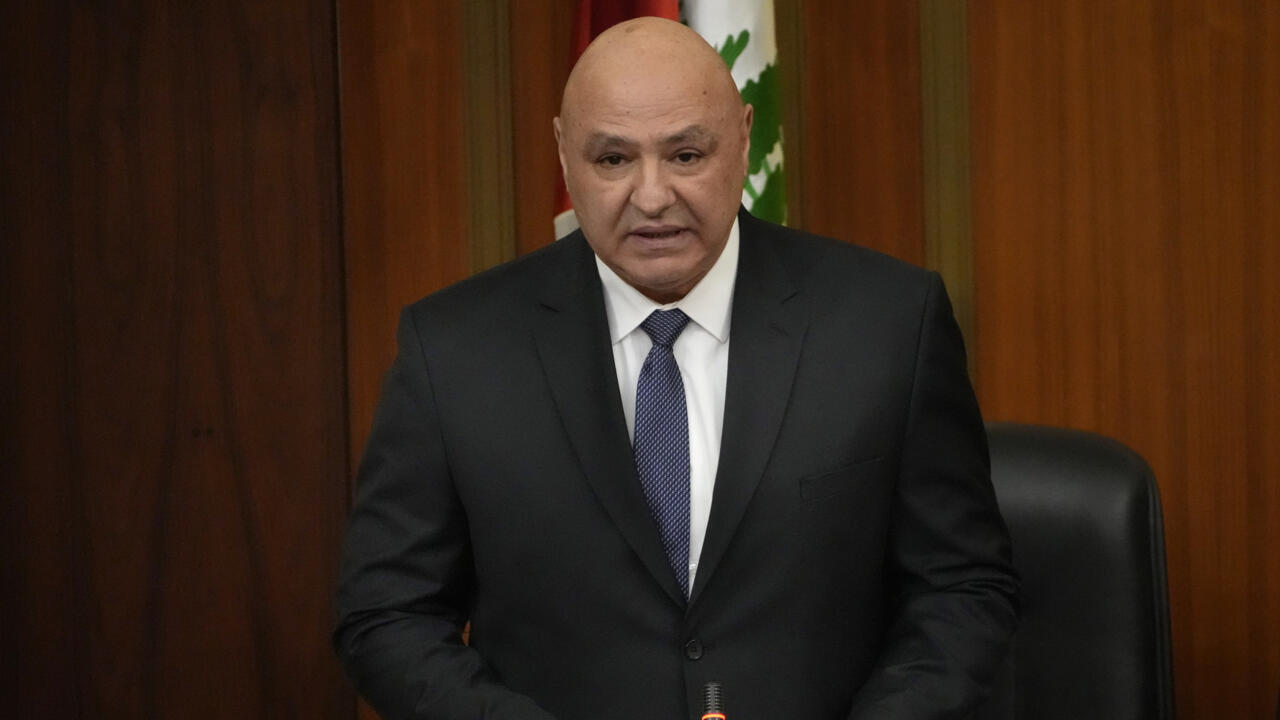
President Joseph Aoun, while announcing the appointment of former US ambassador Simon Karam as Lebanon’s representative in talks with Israel, made it clear that Karam would be the sole representative for Lebanon and that there would be no substitute.
The move comes in response to what the Lebanese officials see as efforts by Iran to tie Lebanon’s situation to the wider regional conflict. Iran had indicated that there would be no ceasefire involving the US, Israel and Iran unless it also included a ceasefire in Lebanon.
Some groups, including Hezbollah and its supporters, had expressed support for linking the situations, citing concerns that the Lebanese government has limited leverage in negotiations with Israel. Lebanon is not formally a party to the conflict, and its army is considered weak.
However, others, including Prime Minister Nawaf Salam, have opposed this approach. They view Iran’s stance as an attempt to influence Lebanon’s internal affairs and see it as undermining the country’s sovereignty.
Officials backing the government’s position say the move is aimed at reaffirming Lebanon’s sovereignty and ensuring that decisions about peace and ceasefire within the country are not dictated externally.
They also see it as a safeguard, so that any breakdown in talks between the US, Israel and Iran does not automatically lead to renewed conflict in Lebanon.