US House panel Chinese weaponry resulted in Pakistan’s success in ‘Operation Sindoor’
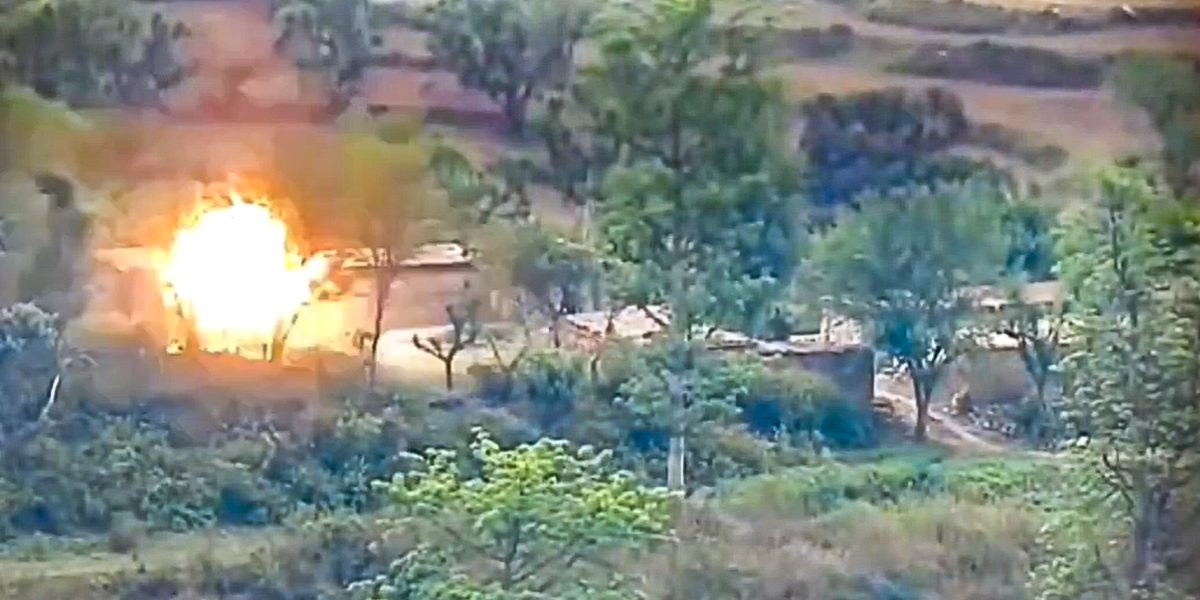
New Delhi: A new report by the US-China Economic and Security Review Commission has said that Pakistan’s military success during its four-day clash with India in May 2025 widely referred to as Operation Sindoor was significantly driven by the deployment of advanced Chinese weaponry. The findings, published in the Commission’s 2025 Annual Report and reported by The Wire, state that Beijing used the conflict not only as a real-world testing ground for its next-generation military systems but also as a platform to push defence exports globally.
The India–Pakistan confrontation followed a terrorist attack in Pahalgam and quickly escalated into one of the most intense exchanges between the two nations in years. According to the US panel, the episode turned into “a showcase” for China’s modern weapons, with Beijing “opportunistically leveraging the conflict to test and advertise the sophistication of its systems,” especially at a time when its own border tensions with India remain unresolved.
The report notes that Pakistan’s deployment of Chinese platforms — including the HQ-9 air defence system, PL-15 air-to-air missiles, and J-10 fighter jets — marked their first use in active combat. These systems, it says, delivered results that Chinese officials later highlighted in coordinated diplomatic messaging.
One of the most striking observations in the report is the claim that Pakistan used Chinese weapons to shoot down Indian Rafale fighter jets — a point the Commission says became a “key selling point” in China’s defence market outreach. Citing diplomatic sources, the report states that Chinese embassies across several countries “hailed the successes of its systems in the India-Pakistan clash”, promoting them as proof of technical superiority. The panel adds that, in the aftermath, Beijing even convinced Indonesia to halt a Rafale purchase that was already underway, using the conflict’s outcome to further its arms-export footprint in Southeast Asia.
The Commission situates this episode within China’s broader strategic approach to South Asia. It writes that Beijing has deepened its defence links, intelligence sharing, and military cooperation with Pakistan in a manner that carries long-term implications for India’s security landscape.
In a separate section, the report examines the India–China boundary situation, highlighting what it describes as “an asymmetry in priorities”. While India seeks “a sustainable solution” that does not appear as a concession and satisfies domestic expectations to stand firm against Beijing, the report argues that China prefers “high-level, well-publicised dialogues to reach partial resolutions” without committing to deeper structural clarity.
The panel also questions whether India’s engagement with China in 2025 reflects a temporary hedging strategy linked to New Delhi’s trade negotiations with the United States, or whether it signals a substantive shift toward renewed normalisation.
The bipartisan Commission’s findings underline the increasingly overlapping military, diplomatic and commercial tensions in the region, with the 2025 India–Pakistan conflict emerging as a key moment in China’s expanding role in South Asian security dynamics.
Let the Truth be known. If you read VB and like VB, please be a VB Supporter and Help us deliver the Truth to one and all.
US renews sanctions waiver for purchase of Russian oil
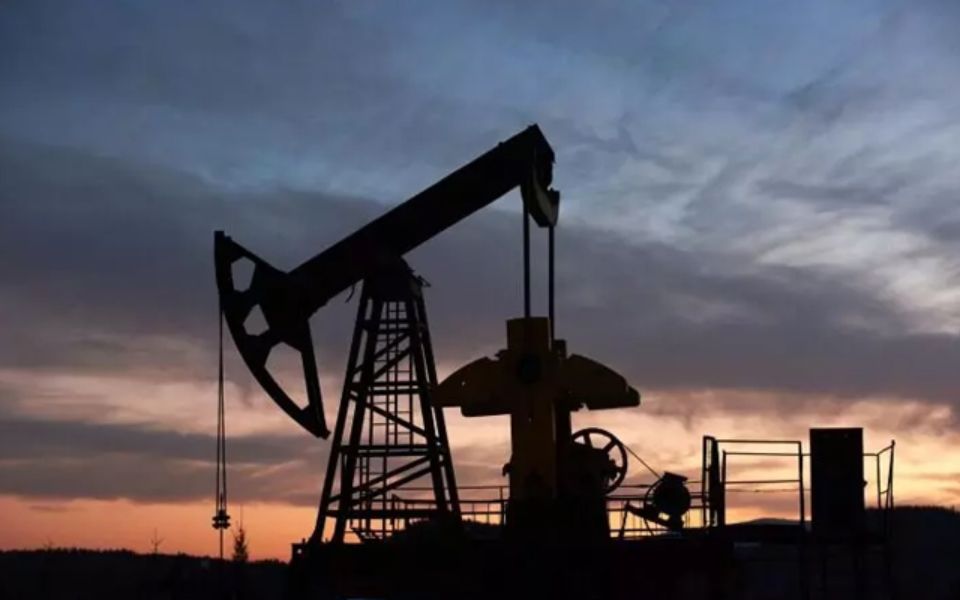
Washington (PTI): The United States has extended by a month a waiver from sanctions to allow countries to buy petroleum products from Russia, days after it ruled out renewal of the special measure.
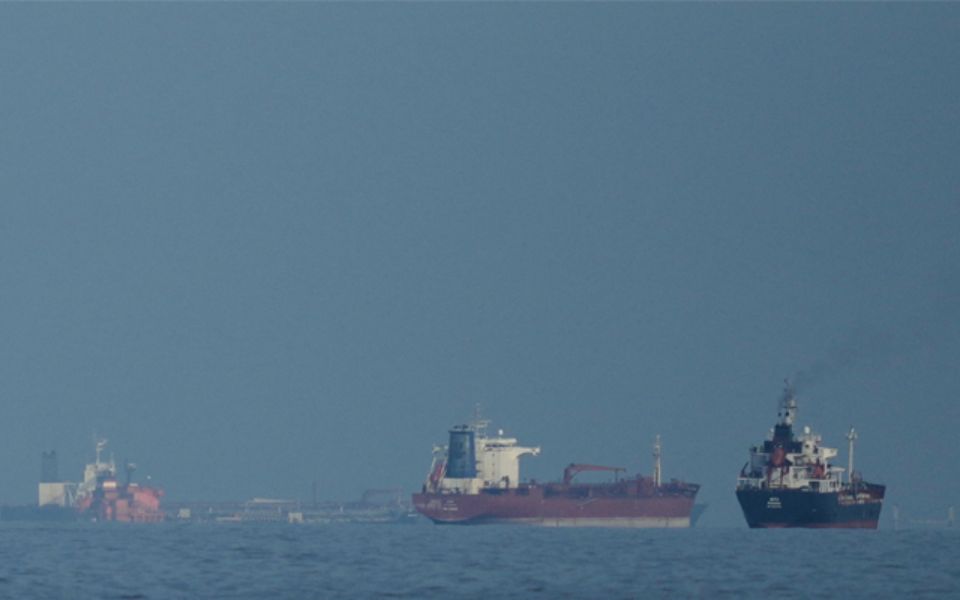
The US Department of Treasury issued an order late Friday extending the waiver from sanctions on Russian oil that is already at sea on or before April 17 through May 16.
Earlier, the US had granted an exemption from sanctions to India for buying Russian oil for a month beginning March 5. A few days later, a similar waiver was extended to several other countries, which ended on April 11.
The general licence issued by the US on Friday does not authorise any transaction involving a person, entity or joint venture located in Iran, North Korea, Cuba, or parts of Ukraine.
On Wednesday, Treasury Secretary Scott Bessent said Washington would not be renewing the waiver for Russian oil and another for Iranian oil.
The previous waiver of sanctions had made available 140 million barrels of Russian oil already loaded on ships to global markets as prices soared against the backdrop of the US war with Iran.
"Effective April 17, 2026, General License No. 134A, which was dated March 19, 2026 and expired on April 11, 2026, is replaced and superseded in its entirety by this General License No. 134B," said the order issued by the Department of Treasury.