Uttar Pradesh Budget: Rs 612.6 crore for stray cattle, gaushalas
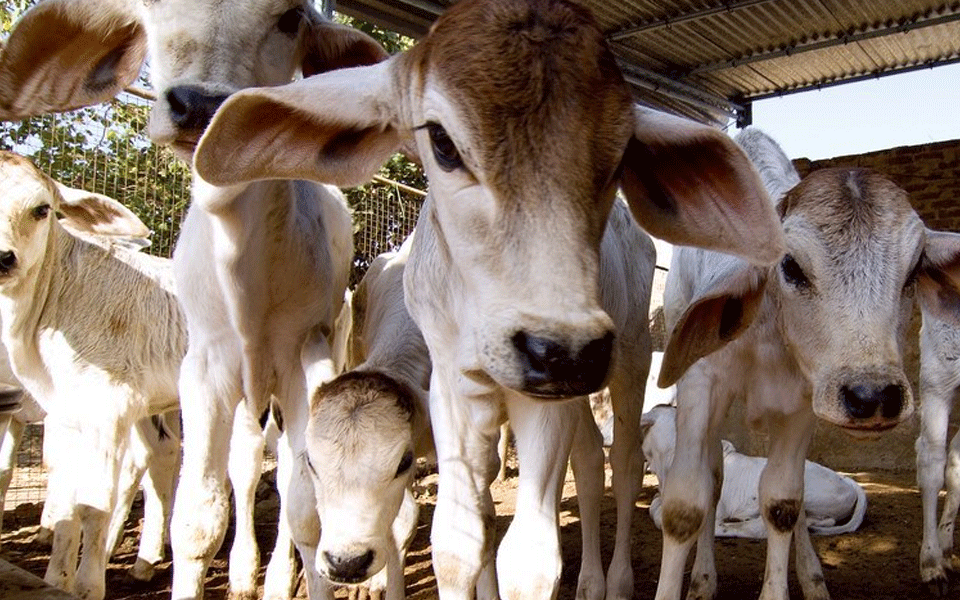
Lucknow, Feb 7 : The Adityanath government will spend over Rs 600 crore on cattle welfare and the construction and maintenance of gaushalas in the financial year 2019-20.
The announcement comes amid reports of farmers in several districts locking up stray cattle in schools and public health centres after suffering damage to their crops.
An amount of Rs 247.60 crore has been proposed for maintenance and construction of gaushalas in rural areas, state Finance Minister Rajesh Agarwal said in his budget speech.
For 'Kanha Gaushala' and cattle shelter scheme in urban areas, Rs 200 crore has been earmarked, he said.
In addition, Agarwal said, a special cess has been imposed on liquor sales in the state. Of the total cess collected, an estimated Rs 165 crore will be used on maintenance of stray cattle.
The government was seeking support from the other departments as well in this regard, he said. A provision of Rs 64 crore has been made to set up 10,000 units under the Pandit Deen Dayal Upadhyay Small Dairy Scheme.
An amount of Rs 56 crore has been set aside for establishment of a new dairy in Mathura. Rs 5 crore has been allotted for various programmes under the Uttar Pradesh Dairy Policy, 2018.
A proposal of Rs 93 crore is there for strengthening, restructuring and expansion of milk unions and societies, training, technical inputs, cattle breeding and health schemes.
Let the Truth be known. If you read VB and like VB, please be a VB Supporter and Help us deliver the Truth to one and all.
Stalin urges Centre to rollback commercial LPG price hike
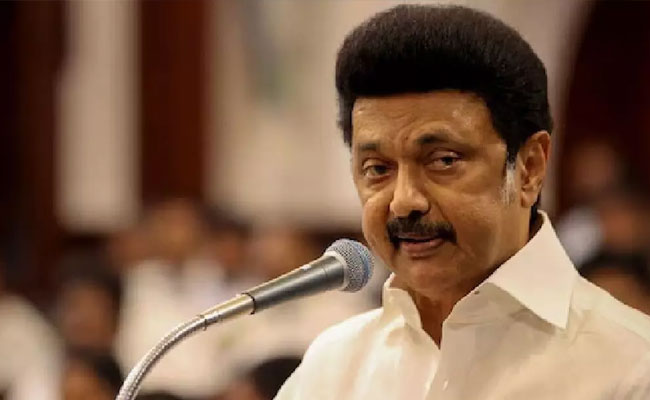
Chennai (PTI): Tamil Nadu Chief Minister M K Stalin on Friday demanded that the Centre immediately rollback the hike in commercial LPG cylinder prices. The price of commercial LPG was hiked by the steepest ever Rs 993 per 19-kg cylinder on May 1, marking the third straight monthly increase due to rising global energy prices linked to the West Asia conflict.
In his social media X platform, the DMK chief alleged that as predicted before the polls, the BJP-led union government has raised LPG prices immediately after the elections concluded.
"When global crude oil prices fell, the benefits were not passed on to the people, " he said, accusing the Centre of "using the West Asia war crisis as an excuse to raise the prices without regard for public welfare".
Calling for protection of the livelihood of the people, Stalin demanded an immediate rollback of the LPG price hike.
He asked the Centre to consider the people's suffering and find solutions.