Vaishnaw virtually witnesses final bullet train tunnel breakthrough in Maharashtra's Palghar
_vb_55.jpeg)
New Delhi (PTI): Railway Minister Ashwini Vaishnaw on Friday virtually witnessed the final breakthrough of a 1.5-km-long mountain tunnel of the bullet train project in Maharashtra's Palghar district from Rail Bhawan in New Delhi.
"A big milestone has been achieved today. This achievement is the breakthrough of the mountain tunnel 5," Vaishnaw said, while speaking to mediapersons.
"This 1.5-km-long mountain tunnel is among the longest in Palghar district and is located between the Virar and Boisar bullet train stations. It is the second tunnel breakthrough in Maharashtra, as the first 5-km-long underground tunnel between Thane and BKC was completed in September 2025," a Railway Ministry press note said.
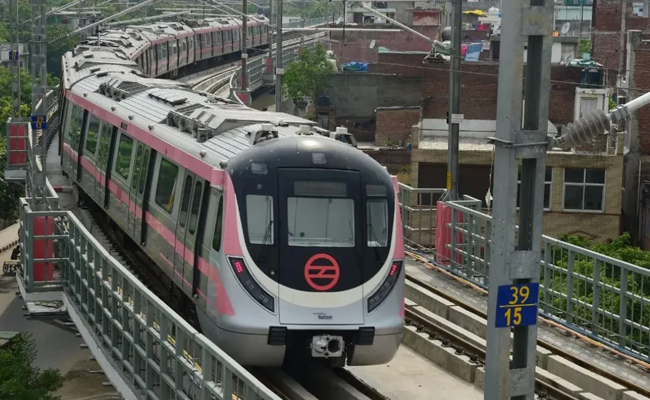
The 508-km railway project connecting Mumbai and Ahmedabad, which passes through Gujarat, Maharashtra, and Dadra and Nagar Haveli, is India's only high-speed rail project designed to operate bullet trains at a speed of 320 kmph.
Once completed, the project will reduce travel time between Mumbai and Ahmedabad to just 1 hour and 58 minutes, connecting and integrating the economies of major commercial centres, according to Vaishnaw.
The project is being executed with technical and financial assistance from the Japanese government.
Officials said it includes eight mountain tunnels, with seven tunnels in Maharashtra having a combined length of about 6.05 km, and one tunnel of 350 metres located in Gujarat.
"The Mumbai-Ahmedabad High Speed Rail project has a total length of 508 km, with an overall tunnel length of 27.4 km, of which 21 km comprise underground tunnels and 6.4 km surface tunnels," the ministry said.
The corridor will connect major cities, including Sabarmati, Ahmedabad, Anand, Vadodara, Bharuch, Surat, Bilimora, Vapi, Boisar, Virar, Thane, and Mumbai, marking a "transformative step in India’s transportation infrastructure", it added.
Vaishnaw said the bullet train project is generating significant employment and will provide additional opportunities during operation.
Responding to a question on whether the E10 Shinkansen, Japan's next-generation high-speed bullet train, can operate on the 508-km Mumbai–Ahmedabad corridor, he said it can support the speed of E10 trains as well.
The E10 is capable of running at a speed of 360 kmph.
Vaishnaw reiterated on Thursday that the first phase of the project will be completed in August 2027.
Let the Truth be known. If you read VB and like VB, please be a VB Supporter and Help us deliver the Truth to one and all.
Centre launches national childhood diabetes screening, treatment framework
New Delhi (PTI): The Union Health Ministry on Sunday released a guidance document providing a framework for screening, diagnosis, treatment and long-term management of childhood diabetes.
According to the ministry, the document, for the first time, establishes a structured and standardised national framework, positioning India among a select group of countries that have integrated childhood diabetes care into the public health system.
The "Guidance Document on Diabetes Mellitus in Children" was released at the National Summit on Best Practices in Public Healthcare Service Delivery, concluded on May 1-2.
According to a statement by the ministry, the framework aims to ensure universal screening of all children from birth to 18 years through community and school-based platforms for early identification of diabetes.
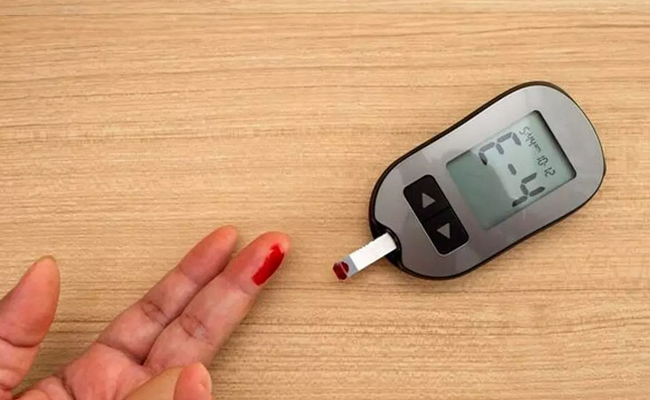
Suspected cases will undergo immediate blood glucose testing and be referred to district-level health facilities for confirmatory diagnosis and treatment, it said.
A key feature of the initiative is the provision of a comprehensive free-of-cost care package at public health facilities, including screening, diagnostic services, lifelong insulin therapy, glucometers, test strips and regular follow-up care.
The initiative seeks to reduce the financial burden on families and ensure uninterrupted treatment for children diagnosed with diabetes.
The document also lays down an integrated continuum of care linking community-level screening with district hospital-based management and advanced care at medical colleges to ensure seamless follow-up and treatment.
To strengthen early detection, the guidance promotes the "4Ts" awareness framework -- Toilet, Thirsty, Tired and Thinner -- to help parents, teachers and caregivers recognise early warning signs of type 1 Diabetes.
Besides clinical protocols, the document focuses on family and caregiver empowerment through structured training on insulin administration, blood glucose monitoring, emergency response and daily disease management.
The statement stated the initiative is expected to reduce mortality through early detection, prevent complications and improve the quality of life of affected children while strengthening the public health system's capacity to manage non-communicable diseases among children.