Videography survey of Gyanvapi Masjid complex over for day; to resume Sunday
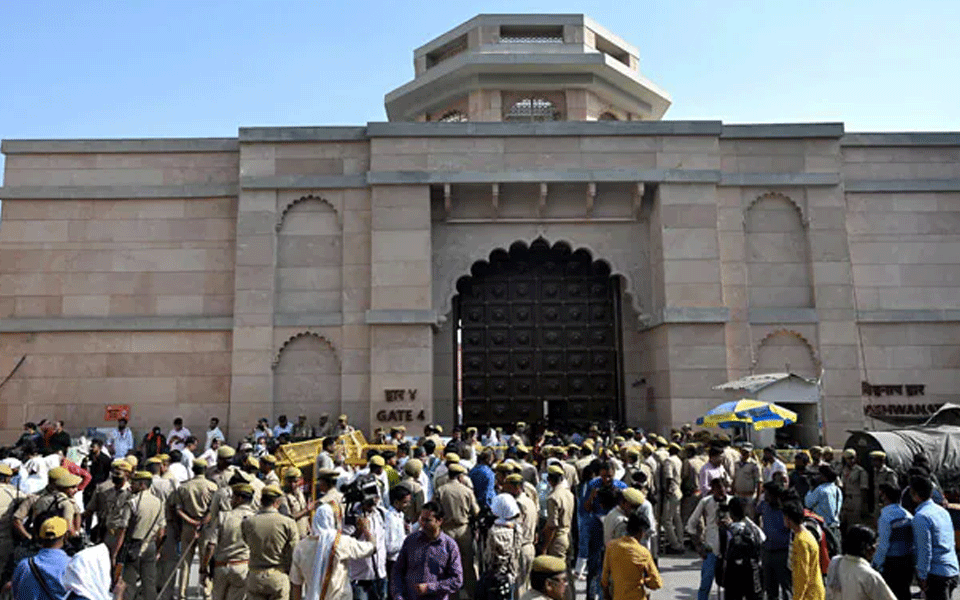
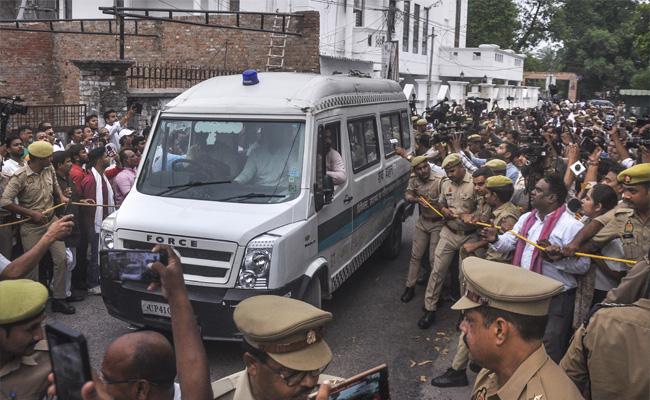
Varanasi(PTI): The videography survey of the Gyanvapi Masjid complex in Varanasi resumed on Saturday amid tight security arrangements, officials said, and added that the survey work went on in a peaceful manner.
They said that the survey will continue on Sunday.
"The survey work went on in a peaceful manner. And, there has been no objection from anyone. Everything is normal and conducive, and all parties co-operated," Police Commissioner of Varanasi A Satish Ganesh told PTI.
"Today's survey is over, and it will continue tomorrow (Sunday) as well," Ganesh told PTI.
"The authorised persons -- all parties, their advocates, court commissioners and videographers -- have reached the spot, and the survey has started," District Magistrate of Varanasi Kaushal Raj Sharma had earlier told PTI.
The mosque is located close to the iconic Kashi Vishwanath temple and the local court is hearing a plea by a group of women seeking permission for daily prayers before the idols on its outer walls.
An important meeting was held with all parties concerned on Friday, Sharma had said earlier, and added that an appeal was made to them to cooperate in the commission's work and the maintenance of law and order.
More than 1,500 policemen and PAC jawans have been deployed as part of the security arrangement.
The officials said the movement of people has been stopped at a distance of 500 metres from the Gyanvapi complex. Police have also stopped vehicular movement coming from Godaulia and Maidagin areas of the city.
Before entering the Gyanvapi premises, advocate Madan Mohan Yadav, who is appearing for the Hindu side, said all members of the survey team were told to assemble at 7.30 am at the gate number 4 of the Kashi Vishwanath temple complex.
Special lights and cameras were arranged to carry out the survey work, he said. The mosque management committee has indicated that it will cooperate for now with the team assigned the task by a local court.
In his order on Thursday, District Civil Court (Senior Division) judge Ravi Kumar Diwakar had turned down a plea by the mosque committee to replace Ajay Kumar Mishra, who was appointed advocate commissioner by him to survey the Gyanvapi-Gauri Shringar complex.
The judge also appointed two more advocates to help the commissioner with the survey and said it should be completed by Tuesday. The lawyers representing the Hindu and Muslim sides were present at the meeting held on Friday by the district magistrate.
Also on Friday, the Supreme Court refused to grant an interim order of status quo on the survey. The top court, however, agreed to consider listing the plea of a Muslim party against the survey.
The survey was stalled last week amid objections by the mosque committee, which claimed that the advocate commissioner did not have the mandate to film inside the premises. The committee accused him of bias and filed a plea for his replacement.
Advocate Yadav had said the three court-appointed advocate commissioners, five lawyers each from the two sides and an assistant besides a videography team will carry out the survey.
People attended Friday prayers amid tight security outside the mosque.
In its order on Thursday, the district court said locks should be broken if the keys are not available to access certain areas of the complex for the survey.
It also asked the district authorities to register FIRs if the survey was not allowed.
Let the Truth be known. If you read VB and like VB, please be a VB Supporter and Help us deliver the Truth to one and all.
Congress using hijab issue to pacify minority anger, alleges Karnataka LoP R Ashoka
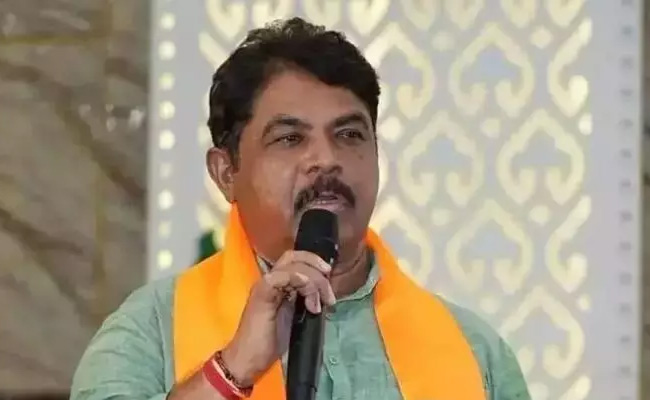
Bengaluru: Leader of Opposition in the Assembly R. Ashoka has accused the Congress government of using the hijab issue to placate what he described as discontent among minority voters after the Davanagere by-election.
In a post on X on Wednesday, Ashoka alleged that the state government, instead of addressing issues such as price rise, corruption, farmers’ distress and law and order, was attempting to retain its minority vote base by reviving the hijab issue.
Referring to the 2022 dress code introduced by the BJP government, which prohibited hijab in schools and colleges, Ashoka said the Karnataka High Court had upheld the policy and emphasised the importance of discipline in educational institutions.
He questioned the Congress government’s move to revisit the issue and asked whether setting aside the court-backed policy to benefit one community could be described as secularism.
Ashoka further alleged that while the government was willing to permit hijab, it continued to prohibit saffron shawls.
He accused the government of dividing students on religious lines rather than treating schools and colleges as spaces of equality.
Drawing a comparison with Mamata Banerjee’s government in West Bengal, Ashoka claimed that excessive appeasement politics had harmed the state and warned that the Congress in Karnataka could face a similar political response.
He said voters in Karnataka would teach the Congress a lesson for what he termed “vote-bank politics” and for compromising constitutional and judicial principles.