Waqf is like charity, not an essential part of Islam: Centre tells Supreme Court
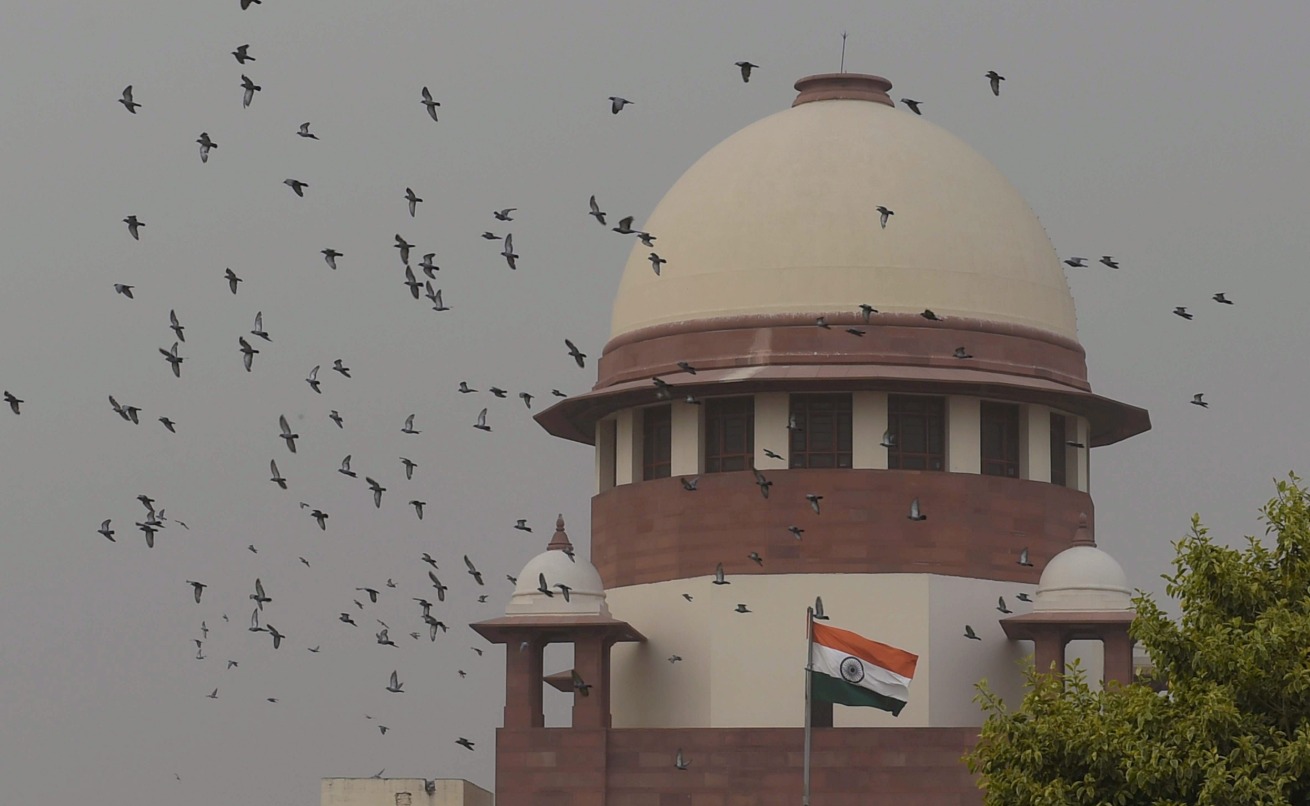
New Delhi: On the second day of the Supreme Court's hearing on the Waqf law, the Centre asserted that Waqf is a form of charity and not an essential religious practice in Islam. Solicitor General Tushar Mehta, presenting arguments on behalf of the government, said the state is legally empowered to reclaim government land that has been declared as Waqf under the now-removed ‘waqf-by-user’ provision.
Mehta emphasized that no individual or institution can claim rights over government land, even if it has been used for religious or charitable purposes for a long period. He referred to a previous Supreme Court ruling that affirmed the government's authority to protect its property even if it had been considered Waqf.
The Solicitor General also denounced what he called “false narratives” surrounding the Waqf amendments, stating that the new law is not intended to dispossess Muslim communities. He explained that the amended legislation allows waqf-by-user only in three cases: where the property is registered, is private, and does not involve government land.
According to Mehta, the latest amendments resolved issues that had persisted since 1923, which neither the British administration nor successive Indian governments were able to address. He informed the Court that the Joint Parliamentary Committee held 36 sittings and reviewed 96 lakh representations before finalizing the amendments.
On the first day of the hearing, Chief Justice BR Gavai remarked that legislation passed by Parliament carries a presumption of constitutionality, and courts cannot interfere unless a very strong and glaring case is presented. This statement came during submissions by senior advocate Kapil Sibal, who is arguing on behalf of the petitioners challenging the law.
The Centre urged the Supreme Court to confine the hearing to three issues: the constitutionality of the waqf-by-user principle, the nomination of non-Muslims to Waqf Boards and the Central Waqf Council, and the identification of government land as Waqf.
The matter remains pending as the Court continues its hearing on the validity and implications of the amended Waqf law.
Let the Truth be known. If you read VB and like VB, please be a VB Supporter and Help us deliver the Truth to one and all.
Congress’ Umesh Meti wins Bagalkot bypoll
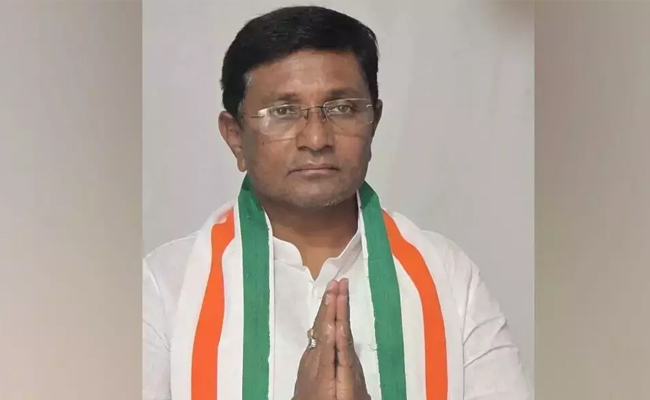
Bagalkot: The Congress has secured a victory in the Bagalkot Assembly by-election, with its candidate Umesh Meti winning the seat after maintaining a lead from the first round of counting till the end.
The seat had fallen vacant following the death of sitting MLA H Y Meti. Umesh Meti, his son, has now been elected to the Assembly.
Party leaders attributed the victory to a combination of factors, including sympathy votes, the state government’s schemes, and campaign strategies led by Chief Minister Siddaramaiah and senior leader Satish Jarkiholi.
The Congress maintained a consistent lead throughout the counting process, eventually securing a decisive win in the constituency.