West Asia conflict: Modi calls ministerial meeting to review energy situation
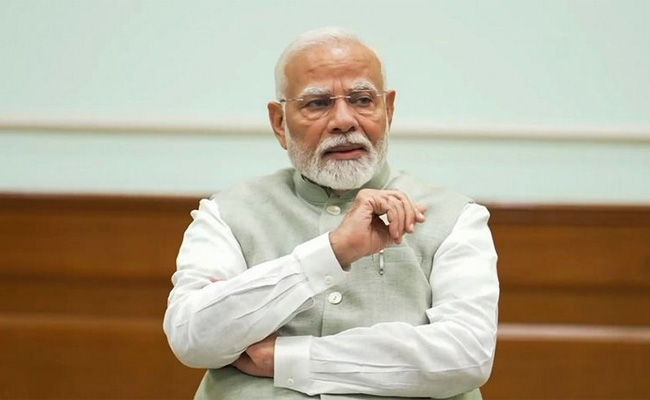
New Delhi (PTI): Prime Minister Narendra Modi will chair a meeting Sunday evening with senior ministers to review to take stock of petroleum, power, and fertiliser sectors in view of the evolving West Asia situation, sources have said.
The focus of the meeting is to ensure uninterrupted supply, stable logistics and efficient distribution across the country, and the government is taking proactive steps to this end, they said.
Continuous monitoring of global developments to protect consumer and industry interests is the key focus of the government, they said.
On March 12, Modi said that the war in West Asia has triggered a worldwide energy crisis, posing a critical test of national character that requires dealing with circumstances through peace, patience, and increased public awareness.
The prime minister emphasised that his government is working relentlessly to address disruptions that have emerged in international supply chains.
"Continuous efforts are also underway to determine how we can overcome the disruptions that have occurred in the supply chain," Modi said.
The prime minister has spoken to many global leaders since the West Asia conflict started on February 28, with the US and Israel attacking Iran.
Iran has retaliated by attacking Israel and several of its Gulf neighbours.
Iran controls the Strait of Hormuz, a key shipping route through which 20 per cent of the world's energy is transported. Since the conflict, very few ships have been allowed by Iran to cross it.
The blockade has resulted in severe disruptions in energy supply to many countries, including India.
Since the conflict, Modi has had telephonic conversations with leaders from Saudi Arabia, UAE, Qatar, Bahrain, Kuwait, Jordan, France, Malaysia, Israel and Iran.
Let the Truth be known. If you read VB and like VB, please be a VB Supporter and Help us deliver the Truth to one and all.
Lebanon appoints new representative for talks with Israel, rejects linkage to Iran
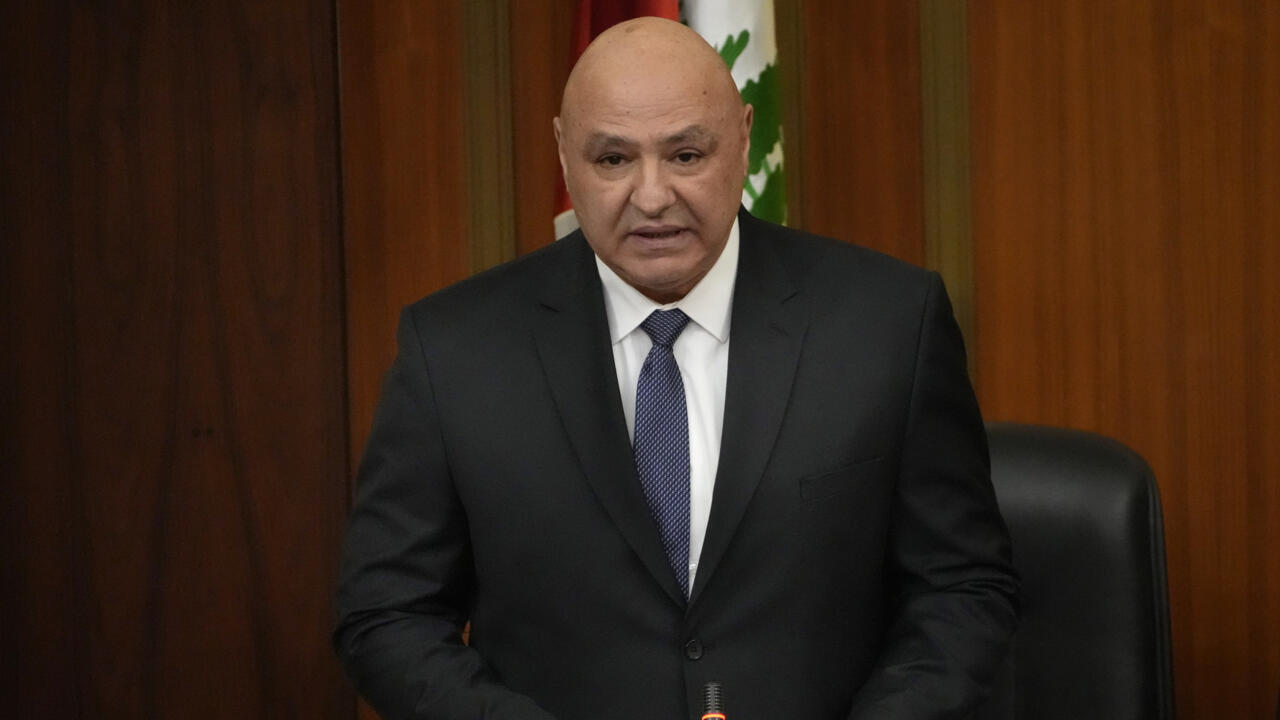
Beirut: Lebanon’s has moved to underline its independent position in ongoing regional developments, amid attempts to link the country to the broader conflict involving Iran, the United States and Israel.
President Joseph Aoun, while announcing the appointment of former US ambassador Simon Karam as Lebanon’s representative in talks with Israel, made it clear that Karam would be the sole representative for Lebanon and that there would be no substitute.
The move comes in response to what the Lebanese officials see as efforts by Iran to tie Lebanon’s situation to the wider regional conflict. Iran had indicated that there would be no ceasefire involving the US, Israel and Iran unless it also included a ceasefire in Lebanon.
Some groups, including Hezbollah and its supporters, had expressed support for linking the situations, citing concerns that the Lebanese government has limited leverage in negotiations with Israel. Lebanon is not formally a party to the conflict, and its army is considered weak.
However, others, including Prime Minister Nawaf Salam, have opposed this approach. They view Iran’s stance as an attempt to influence Lebanon’s internal affairs and see it as undermining the country’s sovereignty.
Officials backing the government’s position say the move is aimed at reaffirming Lebanon’s sovereignty and ensuring that decisions about peace and ceasefire within the country are not dictated externally.
They also see it as a safeguard, so that any breakdown in talks between the US, Israel and Iran does not automatically lead to renewed conflict in Lebanon.