What are the changes proposed to the Waqf bill by JPC, now cleared by the cabinet?
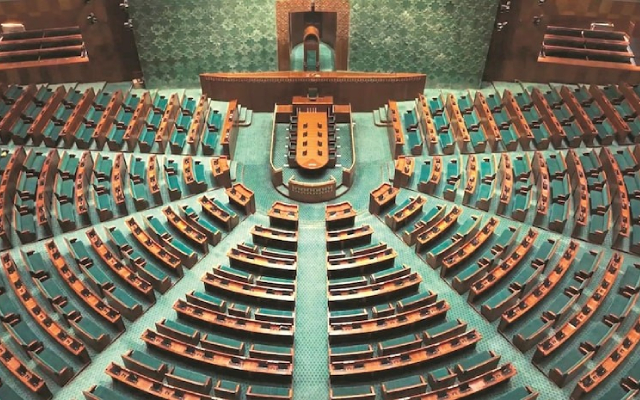
New Delhi: The Union Cabinet has cleared all 14 amendments to the Waqf (Amendment) Bill, 2024, as proposed by the Joint Parliamentary Committee (JPC). The Bill, introduced in August last year to amend the Waqf Act of 1995, is expected to be tabled in Parliament during the second half of the Budget session starting on 10 March.
The Bill seeks to regulate waqf properties and settle disputes regarding them, granting the government greater oversight. Following criticism from the Opposition, it was referred to a JPC, which, on 27 January, approved amendments proposed by the BJP and its allies while rejecting 44 amendments from the Opposition.
Key amendments approved
Extension for registration: The Bill initially mandated that all waqfs and waqf properties be registered on a central portal within six months. The JPC has now allowed the Waqf Tribunal to extend this deadline in select cases if the mutawalli provides a valid reason for the delay.
Legal proceedings allowed: Previously, unregistered waqfs would lose the right to initiate legal proceedings regarding property disputes. An amendment now permits courts to accept cases if the waqf submits an affidavit explaining the delay in registration.
Role of District Collector modified: The 2024 Bill originally gave the District Collector powers to determine if a property belonged to the government or a waqf. The JPC has replaced the collector with a senior state government officer, termed a “designated officer,” to handle such disputes.
Changes in Waqf Boards: The Bill had proposed allowing non-Muslim officials and members in state waqf boards. The JPC has modified this to require a Joint Secretary-level officer dealing with waqf matters to be part of the board.
Legal expertise in Waqf Tribunal: An amendment mandates that the Waqf Tribunal must include a member with knowledge of Muslim law and jurisprudence.
The proposed changes have sparked debates, with critics arguing that the amendments still grant excessive government control over waqf properties. The Bill is likely to face further scrutiny when presented in Parliament.
Let the Truth be known. If you read VB and like VB, please be a VB Supporter and Help us deliver the Truth to one and all.
Sujit Nair raises concerns over speculation of DMK-AIADMK understanding to block TVK
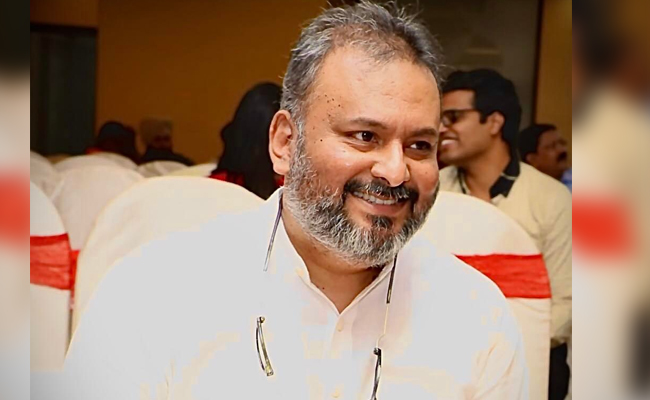
Chennai: Journalist and political commentator Sujit Nair has expressed concern over speculation that the Dravida Munnetra Kazhagam and the All India Anna Dravida Munnetra Kazhagam could explore a post-poll understanding to prevent Vijay-led Tamilaga Vettri Kazhagam from forming the government in Tamil Nadu.
In a social media post, Sujit Nair said the election verdict in Tamil Nadu reflected a clear public demand for political change and argued that the mandate should be respected irrespective of political preferences.
Referring to reports and political discussions surrounding a possible understanding between the DMK and AIADMK, he said he hoped such developments remained only speculative conversations and did not turn into reality.
Nair stated that if such an alliance were to take shape, it would raise serious questions about ideological politics in the country. He said TVK had emerged through a democratic electoral process and that the legitimacy to govern in a parliamentary democracy comes from the people’s verdict.
According to him, attempts to prevent an electoral winner from forming the government through unexpected political arrangements may be constitutionally valid, but many people could view them as politically opportunistic.
He further said that such a move could particularly affect the political image of the DMK, which has historically projected itself around ideology, social justice and opposition politics. Nair said that in ideological terms, the DMK appeared closer to TVK than to the AIADMK, and joining hands with its long-time political rival only to remain in power could weaken its broader political narrative.
He added that the same questions would apply to the AIADMK as well, as the party had spent decades positioning itself against the DMK and such an arrangement could create discomfort among its cadre and supporters.
Drawing a comparison with Maharashtra politics in 2019, Nair said he had expressed similar views when the Shiv Sena formed an alliance with the Indian National Congress and the Nationalist Congress Party after the Assembly elections.
He said post-poll alliances between long-standing political rivals often create a public perception that ideology and electoral mandates become secondary when political power equations come into play.
Nair also said such developments increase public cynicism towards politics and reinforce the belief among voters that ideology is often sidelined after elections.
He maintained that the Tamil Nadu verdict was emphatic and said respecting both the spirit and substance of the mandate was important for the credibility of democratic politics.