When India scripted history in Pokhran under Vajpayee's leadership
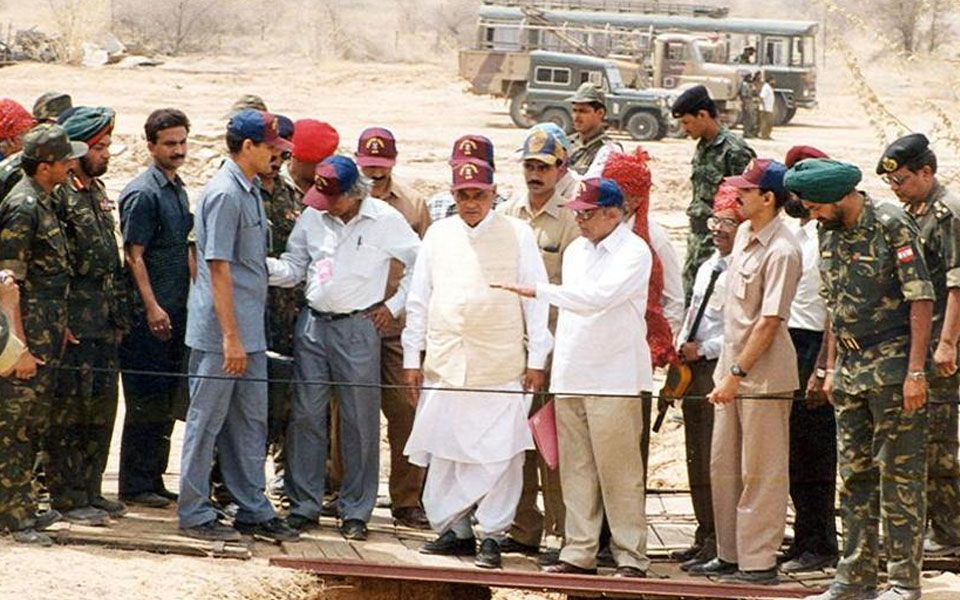
Jaipur, Aug 17 : Twenty years ago, India scripted a success story on May 11 and May 13, 1998 when five nuclear tests were performed in Rajasthan's Pokhran under the guidance of former Prime Minister Atal Bihari Vajpayee, who had assumed power only a little while ago.
It was a completely secret exercise only known to a select few.
On May 11, 1998, Jaisalmer woke up to an ordinary day. However, there were a few bulldozers heading to a particular site to dig up well-like sites. Sand was filled into these wells.
Within a few minutes, they were ignited. It was followed by a huge thunder that brought loud cheer from a few scientists at the site who had kept a constant vigil on all the developments.
In Delhi, Vajpayee along with the then Home Minister Lal Krishna Advani, former Defence Minister George Fernandes, Finance Minister Yashwant Sinha and Principal Secretary to Prime Minister, Brijesh Mishra, were sitting with bated breath.
However, the moment, Dr A.P.J. Abdul Kalam, who happened to be the Scientific Advisor to Vajpayee, sent a message on the hotline, saying, "Buddha smiles again", all of them jumped with joy.
The former Prime Minister immediately called the scientists to congratulate them on their success. The tests left the Western world shocked and surprised.
India gained a new identity after the tests. However, there were economic sanctions imposed by the US. An unfazed Vajpayee, however, continued with the next round of nuclear tests two days later.
Let the Truth be known. If you read VB and like VB, please be a VB Supporter and Help us deliver the Truth to one and all.
Mamata asks TMC nominees not to leave counting centres as EC data shows BJP leading
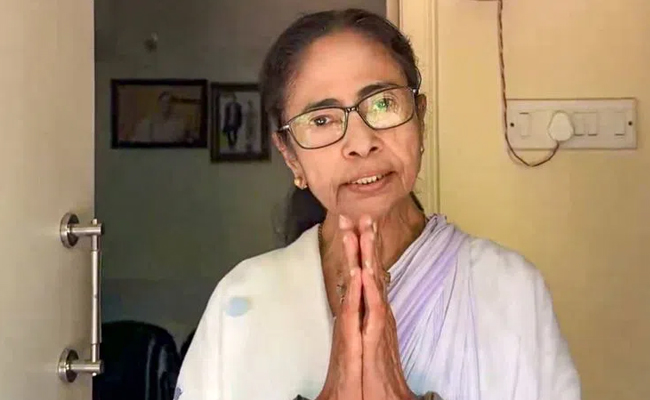
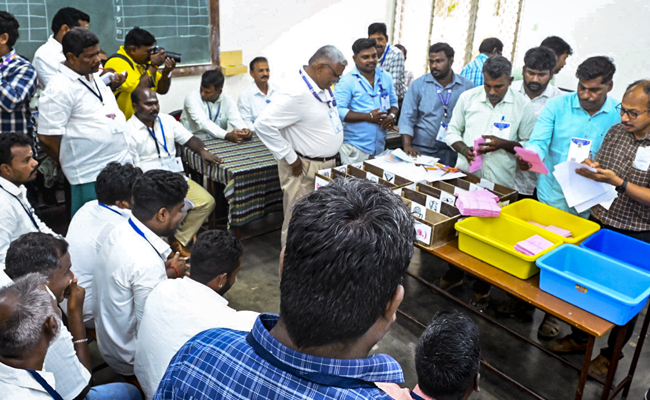
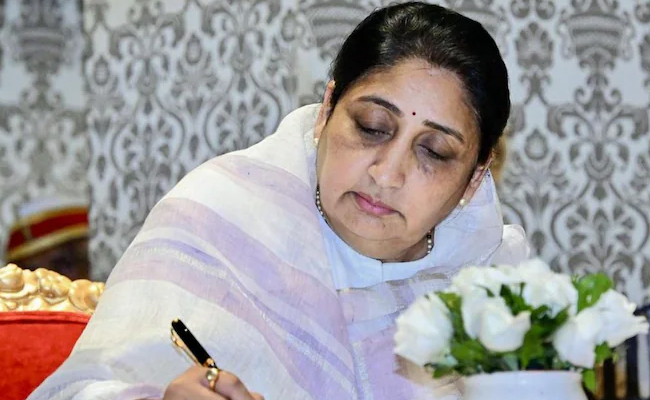
Kolkata (PTI): West Bengal Chief Minister Mamata Banerjee on Monday urged TMC candidates and agents to remain vigilant and not to leave counting centres, alleging that there was a "game plan" by the BJP and the Election Commission to show the saffron party taking a lead in the early trends of counting.
In a video message issued during the counting of votes, the TMC supremo appealed to party workers to stay put and not to lose morale.
"I appeal to everyone that neither TMC candidates nor counting agents should abandon counting centres," she said.
As trends on the Election Commission website indicated the BJP leading in 188 seats against the TMC's 94, Banerjee maintained that her party was still ahead in a significant number of constituencies.
"We are still ahead in 170 seats, but I request everyone not to lose hope," she said, adding that there were "around 70 to 100 seats where we are leading, but they are not sharing the data of those seats".
"A false narrative is being spread," she alleged.
The chief minister accused the Election Commission of "not declaring results or leads" in areas where the TMC was ahead.
"This is a game plan by the EC and the BJP as it (poll panel) is not declaring results or leads in areas where we are leading," she said.
Banerjee also alleged irregularities in the counting process at some locations.
"In several places, counting has been stopped after the first two to three rounds. In Kalyani, we have caught seven machines with severe anomalies," she claimed.
She further alleged that TMC workers were being "harassed with the help of central forces" and that party offices were being "vandalised and forcefully captured".
"With the help of central forces, they are harassing and torturing AITC workers. Our offices have been vandalised," she said, also alleging that voter list revision exercises were "purposefully done to target seats where we were strong".
Seeking to reassure party workers, Banerjee said more rounds of counting were yet to take place and urged them to stay firm.
"Fourteen to eighteen rounds of counting will happen. You will surely emerge victorious. Don't be afraid; fight like tigers," she said.
Her remarks came as counting trends suggested that the BJP was leading in 188 seats and had crossed the halfway mark of 148 in the 294-member assembly, pointing to a potential shift in the state's political landscape.
Counting for 293 constituencies was underway with postal ballots, followed by EVM votes.
Officials cautioned that trends could change as more rounds are counted, and final results would be known later in the day.
জরুরি বার্তা pic.twitter.com/Uc82oihwEL
— Mamata Banerjee (@MamataOfficial) May 4, 2026