While we debate what good comedy is, please debate what good journalism is: Vir Das
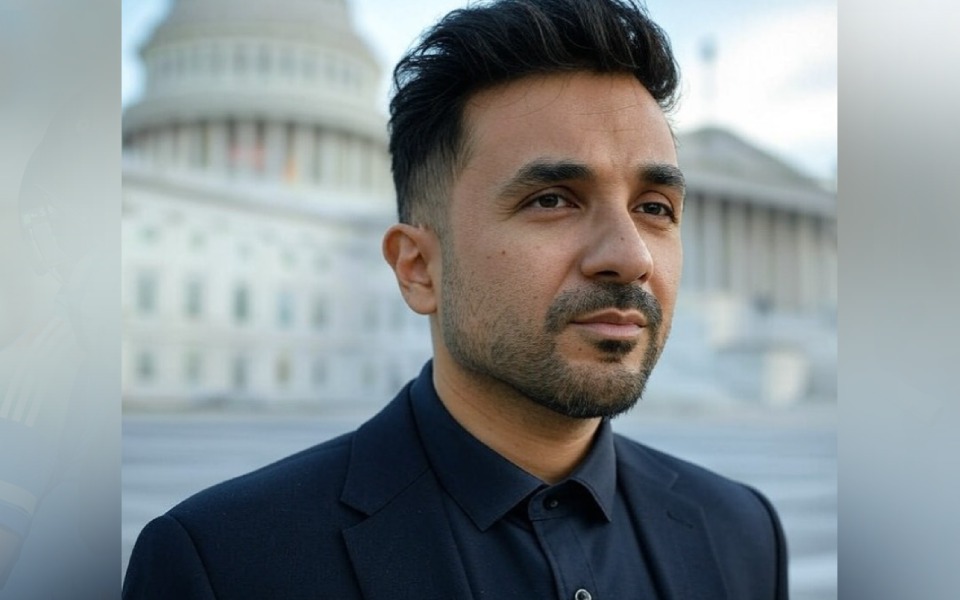
New Delhi, Feb 12 (PTI): Actor and stand-up comedian Vir Das on Wednesday said while there should be a debate on what is good comedy, there should also be a discussion on what constitutes good journalism.
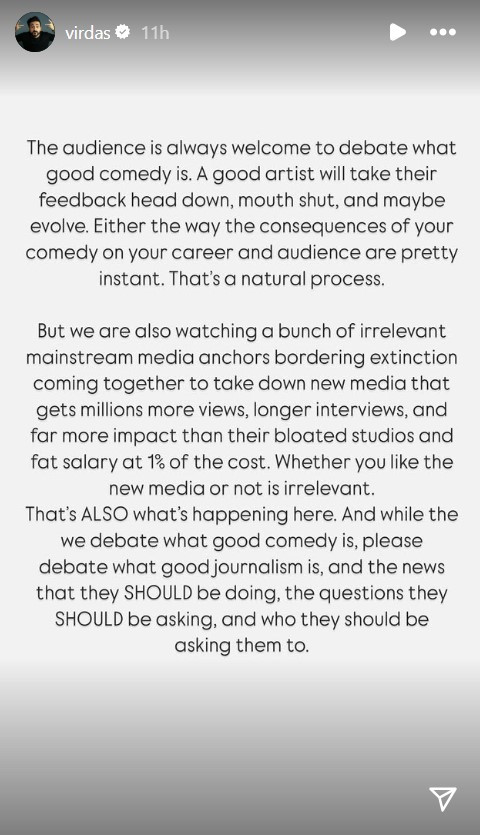
Das, in his post on Instagram Stories, criticised television media's endless coverage on Ranveer Allahbadia without naming the influencer. Allahbadia has been facing backlash for his comments on parents and sex on YouTube comedy show "India's Got Latent".
The comedian, who has faced his share of controversies for his stand-up acts, termed the TV news coverage around the issue as "a bunch of irrelevant mainstream media anchors bordering extinction coming together to take down new media that gets million more views".
"Whether you like the new media or not is irrelevant. That's ALSO what's happening here. And while we debate what good comedy is, please debate what good journalism is, and the news that they SHOULD be doing, the questions they SHOULD be asking, and who they should be asking them to (sic)," the comedian said.
Das said the audience is always welcome to debate what good comedy is.
"A good artist will take their feedback head down, mouth shut, and maybe evolve. Either way, the consequences of your comedy on your career and audience are pretty instant. That's a natural process," he added.
Let the Truth be known. If you read VB and like VB, please be a VB Supporter and Help us deliver the Truth to one and all.
Activists write open letter to Odisha govt flagging anti-Christian violence
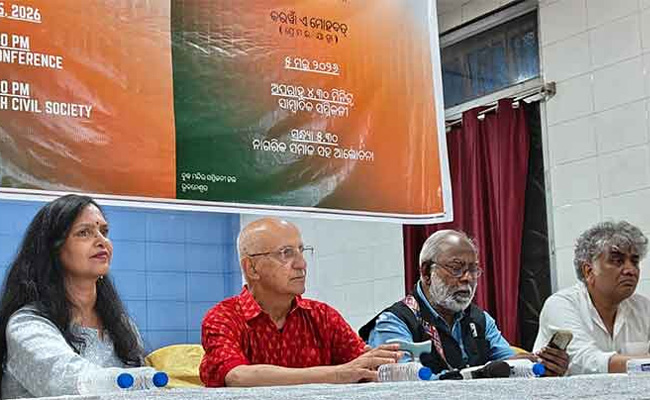
New Delhi: Activists and rights campaigners John Dayal, Aakar Patel, Vidya Dinker and Harsh Mander have expressed serious concern over the alleged rise in violence and intimidation against Christians in several districts, accusing both Hindutva organisations and sections of the police of targeting the minority community.
In a strongly worded communication addressed to the state administration, the signatories said they had received disturbing testimonies from affected people regarding social boycott, denial of burial rights, physical assaults and police intimidation.
According to the activists, Christians in some areas were allegedly boycotted by villagers, while people who traded with them, employed them or provided them shelter were also targeted.
The letter also highlighted what it described as “gruesome” incidents involving the prevention of burials of Christians within village burial grounds and even on privately owned lands belonging to Christian families. The activists said there were cases where bodies remained unburied for days due to opposition from local groups, while in some instances burials were allegedly forced to take place in forest areas outside village limits. Funeral prayers were also reportedly disrupted.
The signatories further alleged that in certain districts the violence escalated into physical assaults on Christians. They claimed that some victims were tied to trees and beaten, while others were allegedly placed inside sacks and assaulted. The letter also mentioned a few reported instances of sexual violence and attempts to burn people alive, which, according to them, were stopped at the last moment.
Expressing particular concern, the activists said many victims had testified that police personnel joined hands with Hindutva organisations to force Christians into signing “compromise” agreements. These agreements allegedly required them to give up their faith and stop collective worship.
The letter also accused the police of registering serious criminal cases against victims of attacks instead of taking action against the attackers. According to the signatories, many of those attacked were detained in police stations and jails, while in some cases the police themselves allegedly played a direct role in intimidation and violence against Christians.
Stating that there appeared to be a “complete breakdown in the constitutional machinery of the state” in relation to Christian minorities, the activists urged the administration to uphold and protect the constitutional and religious rights of all citizens without discrimination based on religion, caste or creed.
The letter was signed by John Dayal, Aakar Patel, Vidya Dinker and Harsh Mander.