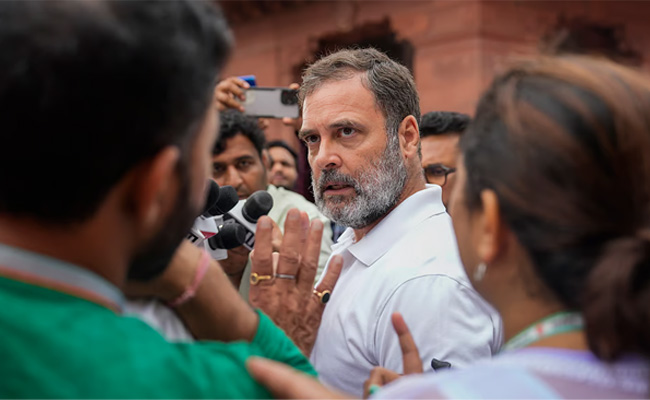
Why 'Vishwaguru' not advancing BRICS summit for diplomatic initiative on West Asia crisis: Cong
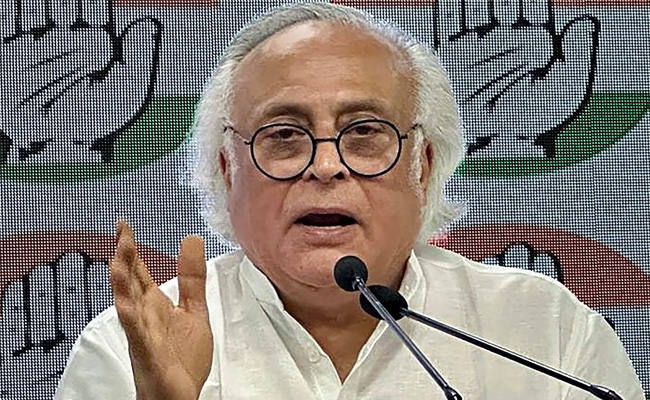
New Delhi (PTI): Taking a swipe at Prime Minister Narendra Modi, the Congress on Monday asked why the “self-styled Vishwaguru” is not advancing the BRICS+ Summit that India is set to host this year to put together a diplomatic initiative to deal with the crisis in West Asia.
The opposition party also claimed that Modi does not want to “antagonise” US President Donald Trump and Israeli Prime Minister Benjamin Netanyahu.
Congress general secretary in charge of communications, Jairam Ramesh, pointed out that the 18th annual BRICS+ Summit will take place in New Delhi under India's Presidency later this year, with Brazil, Russia, India, China, South Africa, Argentina, Egypt, Ethiopia, Saudi Arabia, Iran, and the UAE as members.
“Why is the self-styled Vishwaguru not advancing the Summit to put together a diplomatic initiative to deal with the crisis in West Asia and its impacts? Clearly, he does not want to antagonise President Trump and Prime Minister Netanyahu,” Ramesh said on X.
ALSO READ: Adityanath pays tribute to Ram Manohar Lohia on his birth anniversary
“Mr Modi has reportedly been making phone calls to foreign leaders to discuss the West Asia situation. This mode of communication has its limitations – no hugs, and no finger-waving, gyaan-giving photo-ops for our El Supremo. But Summits can be more productive and result in concrete steps apart from valuable face-to-face confabulations,” the Congress leader said.
The G20 this year is headed by the US, and it will not result in anything consequential other than more rants and taunts by the US president, Ramesh claimed.
The Congress last week lashed out at the government for not releasing a collective statement on the West Asia conflict as the BRICS+ Chair, saying Prime Minister Modi is “diminishing” the standing of the grouping's presidency in his desire to “appease” Trump and maintain his “cosy relationship” with Netanyahu.
On Saturday, the Congress said the Modi government's failure to condemn the US-Israel aerial assault on Iran and force a brutal regime change there reflected the “moral cowardice” and “political betrayal” of India's civilisational values.
Ramesh had said that Modi also did not use his much-claimed friendship with Trump and Netanyahu to bring about a cease-fire.
The over three-week war has shown no signs of abating, with Israel saying Iran continued to fire missiles at it early Saturday, while Saudi Arabia said it downed 20 drones in just a couple of hours in the country's eastern region, which is home to major oil installations.
Iran has also fired at energy sites in the Gulf countries and has now threatened recreational and tourist sites worldwide.
The US is deploying more warships and another 2,500 Marines, three weeks into the war it launched alongside Israel on February 28.
Let the Truth be known. If you read VB and like VB, please be a VB Supporter and Help us deliver the Truth to one and all.
Lebanon appoints new representative for talks with Israel, rejects linkage to Iran
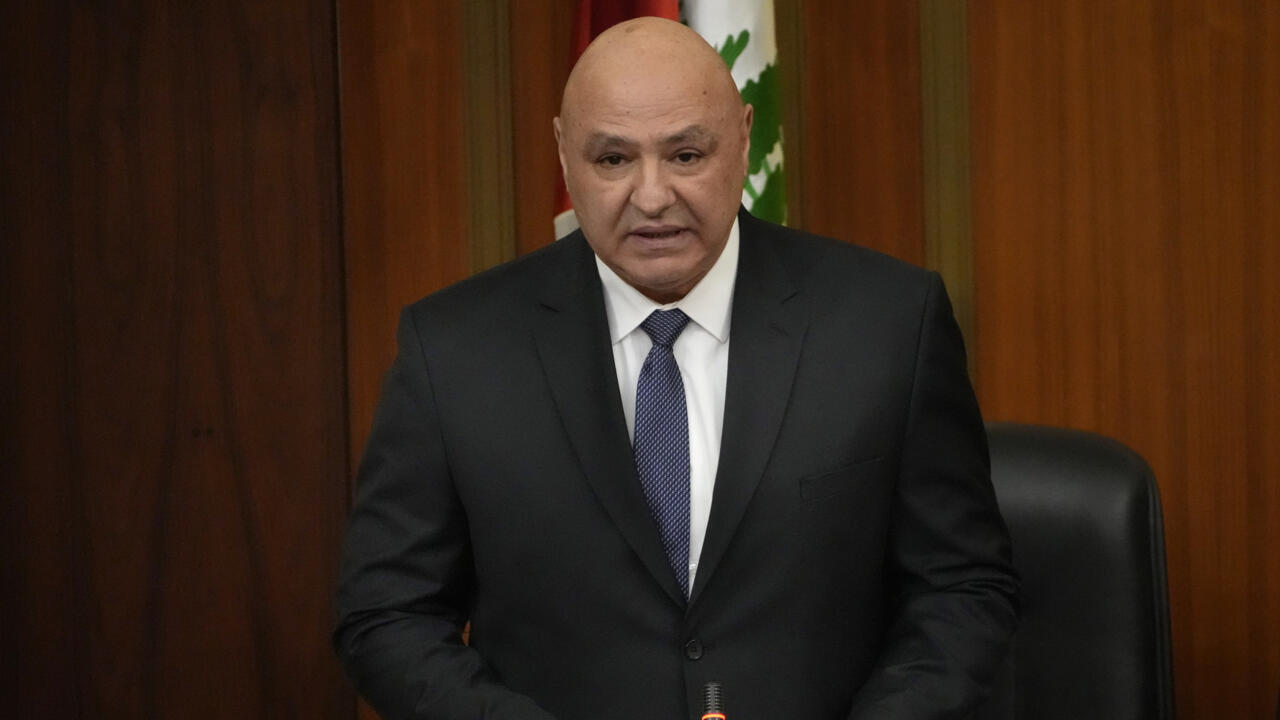
Beirut: Lebanon’s has moved to underline its independent position in ongoing regional developments, amid attempts to link the country to the broader conflict involving Iran, the United States and Israel.
President Joseph Aoun, while announcing the appointment of former US ambassador Simon Karam as Lebanon’s representative in talks with Israel, made it clear that Karam would be the sole representative for Lebanon and that there would be no substitute.
The move comes in response to what the Lebanese officials see as efforts by Iran to tie Lebanon’s situation to the wider regional conflict. Iran had indicated that there would be no ceasefire involving the US, Israel and Iran unless it also included a ceasefire in Lebanon.
Some groups, including Hezbollah and its supporters, had expressed support for linking the situations, citing concerns that the Lebanese government has limited leverage in negotiations with Israel. Lebanon is not formally a party to the conflict, and its army is considered weak.
However, others, including Prime Minister Nawaf Salam, have opposed this approach. They view Iran’s stance as an attempt to influence Lebanon’s internal affairs and see it as undermining the country’s sovereignty.
Officials backing the government’s position say the move is aimed at reaffirming Lebanon’s sovereignty and ensuring that decisions about peace and ceasefire within the country are not dictated externally.
They also see it as a safeguard, so that any breakdown in talks between the US, Israel and Iran does not automatically lead to renewed conflict in Lebanon.